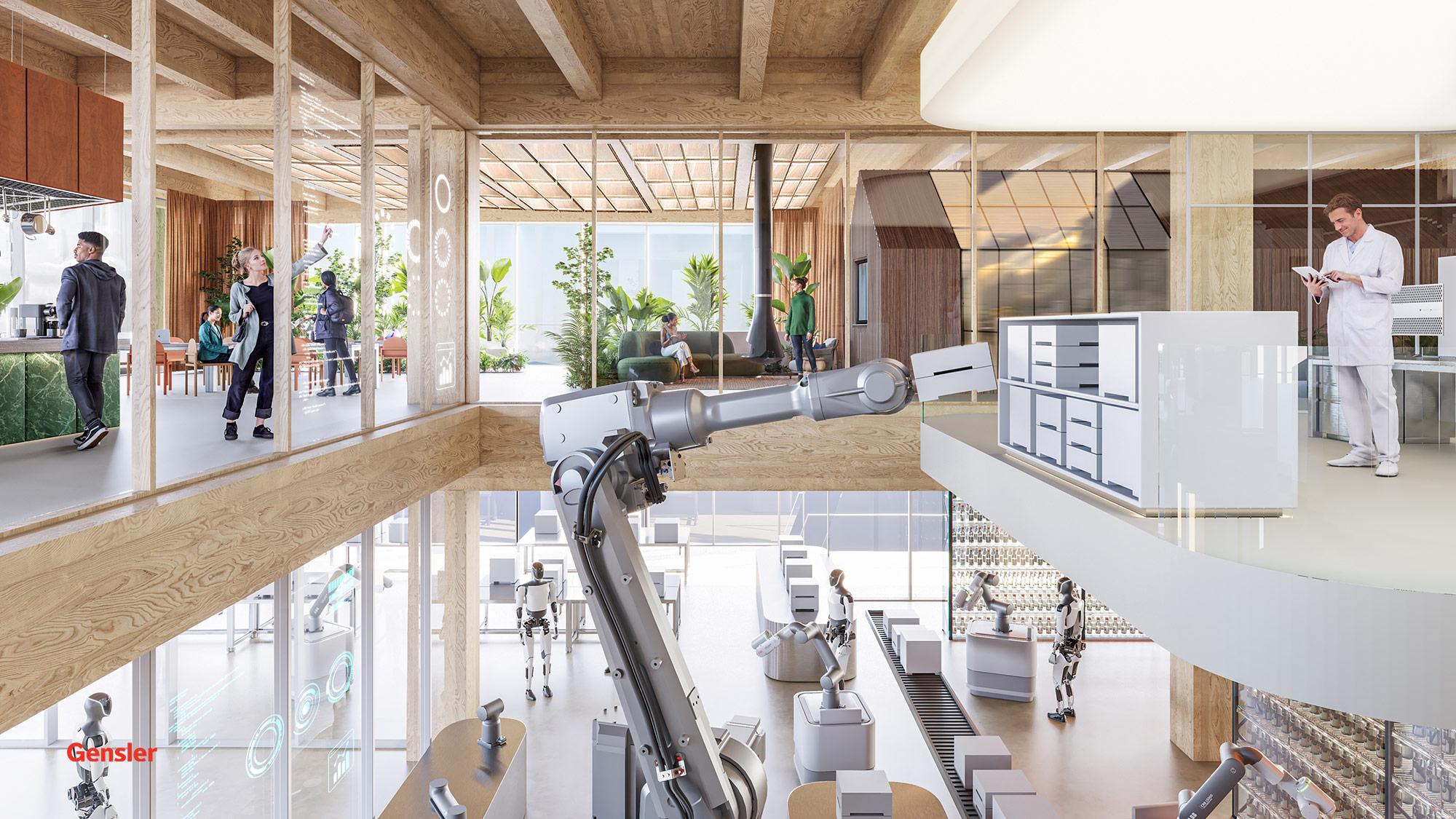
![[NEEDS INPUT: alt text]](https://cdn.sanity.io/images/iexz7ctt/development/e63853bbfc5994bb3ab795cae1bf1113a26718e1-5000x2903.jpg?w=3840&q=75&auto=format&fit=max)
Overview
A new campus front door linking UC Berkeley and downtown, Bakar Labs for Energy & Materials is where research is translated into scalable, real-world solutions.
![[NEEDS INPUT: alt text]](https://cdn.sanity.io/images/iexz7ctt/development/87b592613968d7d4a652217eddafb21a17b55c10-5000x3333.jpg?w=3840&q=75&auto=format&fit=max)
![[NEEDS INPUT: alt text]](https://cdn.sanity.io/images/iexz7ctt/development/df40dcac233a7f02992e58a61135d724559abfb8-5000x2741.jpg?w=3840&q=75&auto=format&fit=max)
![[NEEDS INPUT: alt text]](https://cdn.sanity.io/images/iexz7ctt/development/5067b96c5ca39fa14988dfe0955062049cf5dd2d-5000x2854.jpg?w=3840&q=75&auto=format&fit=max)
Opportunity
A university renowned for its world-changing research sought to bring the regional innovation community together in a unique facility that catalyzes discovery.
The future of energy and materials innovation will be shaped by a wide spectrum of thinkers — researchers, technologists, entrepreneurs, and makers. At the heart of its innovation ecosystem, UC Berkeley is accelerating this critical work with a purpose-built destination that strengthens connections between campus, industry, and the community. The design is interwoven with its surroundings, acting as a visible landmark for innovation, and providing infrastructure to develop, test, and scale transformative technologies.
More about this topic

![[NEEDS INPUT: alt text]](https://cdn.sanity.io/images/iexz7ctt/development/fd4b69080fdbb488916a544c51990c7295625dc9-4000x2562.jpg?w=3840&q=75&auto=format&fit=max)
Why This Matters
01
Accelerating Energy and Materials Ventures
Laboratories and flexible scale-up spaces are needed to launch companies focused on groundbreaking solutions for the planet, from renewable energy and carbon capture to greener materials and agriculture.
02
Connecting Campus and Industry
This first building in the Berkeley Innovation Zone brings campus innovators together, with space for up to 75 tenants under one roof and the resources needed to launch and scale.
03
Making Research Visible
To be truly connected to the community, UC Berkeley envisioned the building as a showcase of the work happening inside, inviting the public, tenants and investors to its innovation ecosystem.
We’re going to be practicing what we preach, meaning that the building is going to be very energy-efficient, and the architecture is going to symbolize what the companies’ inside of it are trying to accomplish.
Solution
At the heart of the project, a vertical indoor-outdoor spine establishes a new model for energy-focused environments where sustainability, connection, and breakthroughs thrive.
Positioned between campus and downtown, Bakar Labs for Energy & Materials supports campus innovators as they move off campus to build companies and scale new groundbreaking technologies. Dedicated lab and office workspace for tenants is complemented by shared prototyping, making and gathering space. Connecting them, the “Powerhaus” is a renewable energy engine and social hub, with exterior terraces and seating, and a naturally ventilated stair that encourages movement and spontaneous exchange. Transparent façades, indoor-outdoor work environments, and solar-responsive systems turn the building into a living demonstration of energy innovation.
![[NEEDS INPUT: alt text]](https://cdn.sanity.io/images/iexz7ctt/development/7c8cac68ad8976b5f2c53fb574710572f7172bd0-5500x3293.jpg?w=3840&q=75&auto=format&fit=max)
Related Content
145K
Lab and Office Space · sqft
65%
Solar Heat Gain Reduced Through Passive Solar Shading
75
Tenant Capacity
From brief to build: how an energy and materials tech incubator turns sun, wind, labs, and shared space into design drivers.
The process began with tours of similar facilities at peer institutions and detailed programming to define the needs of the new facility and confirm the target budget. Design development explored a flexible, technologically future-proofed laboratory building for unknown future focuses of energy technology, while the “Powerhaus” strategy used passive solar shading, PV-integrated glass, sawtooth roof panels, and naturally ventilated outdoor work environments to align architecture with the project mission.
Impact
Driven by resilience and shaped by the environment, Bakar Labs for Energy & Materials embodies its core mission, making the innovative work happening inside legible.
The architecture itself amplifies UC Berkeley’s research ecosystem with a flexible design that ensures the facility can adapt as research advances and new technologies emerge.
![[NEEDS INPUT: alt text]](https://cdn.sanity.io/images/iexz7ctt/development/3bae4fe90350c00243d75a8cbab0354cf1a9d072-3000x4500.jpg?w=3840&q=75&auto=format&fit=max)
What Changed Because of This
01
Optimal Innovation Experiences
Flexible laboratories, scale-up space, equipment, access to UC Berkeley faculty, and shared campus resources lower barriers for 75 startup tenants.
02
Energy Performance
The entire façade uses state-of-the-art PV-integrated glass harvesting solar energy to directly power the building while offering shade and protection from the elements.
03
External Connections
Shared seminar, social, and breakout spaces invite the community, industry, researchers, entrepreneurs, and investors in. By increasing interior visibility, the project introduces another cultural and educational dimension to the building.
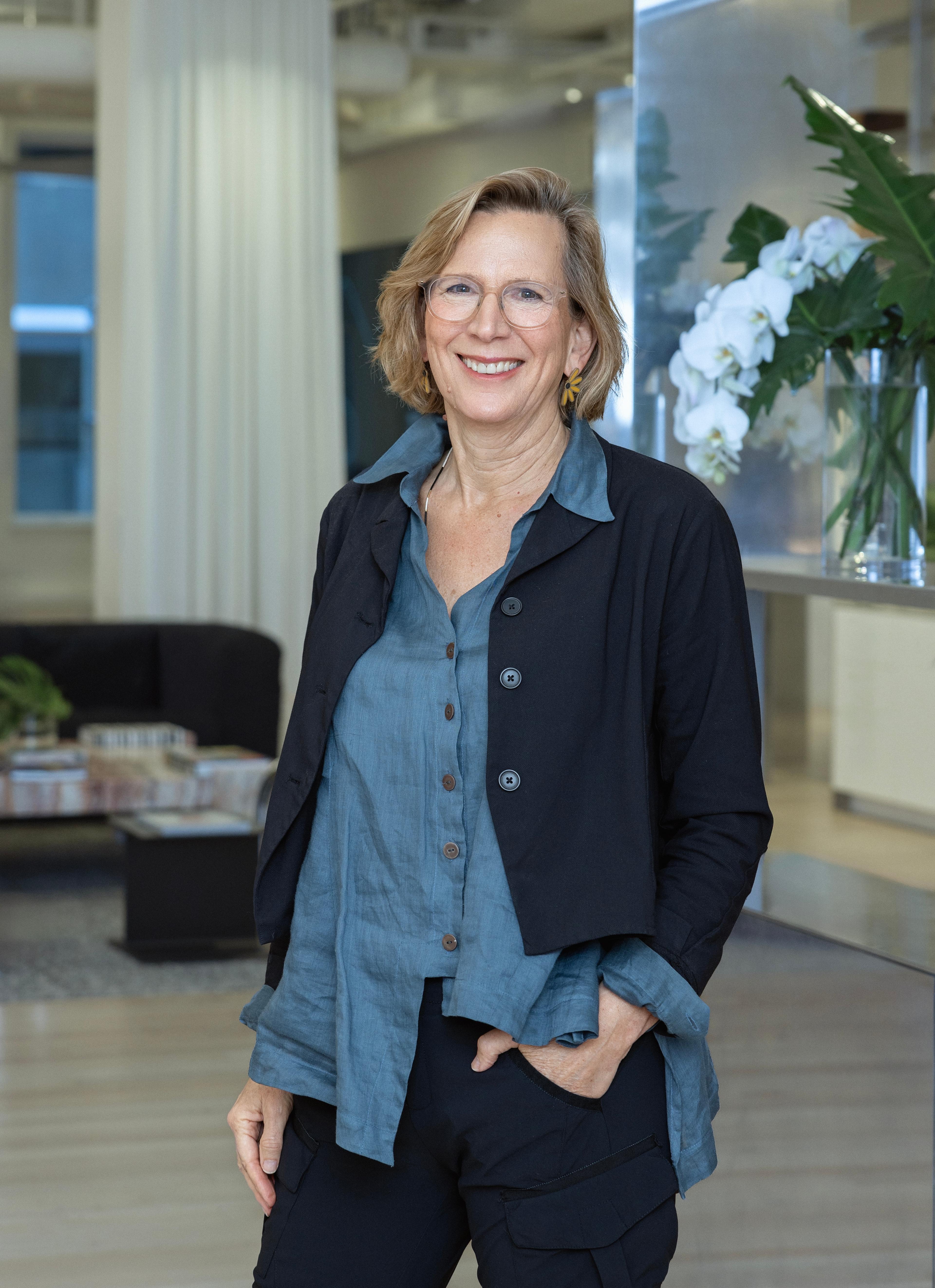
Bakar Labs for Energy and Materials is a place where transformational ideas will graduate from the campus to the real world.
Recognition
Bakar Labs for Energy & Materials News
The Daily Californian
Team
Project Leadership

FAQ
Where is Bakar Labs for Energy & Materials located?
When will the building open?
What is the purpose of the building?
How does the design support collaboration?
What sustainability strategies are included?
How many companies can the project accommodate?
Related Content
![[NEEDS INPUT: alt text]](https://cdn.sanity.io/images/iexz7ctt/development/b2c22991bc292505b4a823618fec357f25ab4de0-5504x3072.jpg?w=3840&q=75&auto=format&fit=max)
![[NEEDS INPUT: alt text]](https://cdn.sanity.io/images/iexz7ctt/development/dd7dd94ae2b0c6a6098286243ab3a51f2361712d-3840x2160.jpg?w=3840&q=75&auto=format&fit=max)
![[NEEDS INPUT: alt text]](https://cdn.sanity.io/images/iexz7ctt/development/a8cae78d9b7e9035f5c19ff7f6b4d8ed956641d5-3840x2160.jpg?w=3840&q=75&auto=format&fit=max)