

![[NEEDS INPUT: alt text]](https://cdn.sanity.io/images/iexz7ctt/development/0a77d75005e1a77642cbf65b6c655677d4a3d184-5000x2716.jpg?w=3840&q=75&auto=format&fit=max)
Overview
CEC Shenzhen Bay Headquarters demonstrates how connectivity can create a more vibrant urban community, bringing together people, nature, and diverse experiences within a connected, walkable, and mixed-use district.
![[NEEDS INPUT: alt text]](https://cdn.sanity.io/images/iexz7ctt/development/58234bb7bd219e3762c32f6c364ea985a3b9e84e-5000x3500.jpg?w=3840&q=75&auto=format&fit=max)
![[NEEDS INPUT: alt text]](https://cdn.sanity.io/images/iexz7ctt/development/c6db5dbd4b9dbe279d2b043574eec9b64a92fed5-5000x3535.jpg?w=3840&q=75&auto=format&fit=max)
![[NEEDS INPUT: alt text]](https://cdn.sanity.io/images/iexz7ctt/development/082da240daed746a3dcf3a01b2a5a0be69eb0949-5000x3306.jpg?w=3840&q=75&auto=format&fit=max)
![[NEEDS INPUT: alt text]](https://cdn.sanity.io/images/iexz7ctt/development/19f62e5cb2ad3c94e25b2796a0bd054afd81b676-5000x2812.jpg?w=3840&q=75&auto=format&fit=max)
![[NEEDS INPUT: alt text]](https://cdn.sanity.io/images/iexz7ctt/development/1b05b51f17d12282d7c4c001638386f623c46b6b-5000x3535.jpg?w=3840&q=75&auto=format&fit=max)
![[NEEDS INPUT: alt text]](https://cdn.sanity.io/images/iexz7ctt/development/ed98fc4365ef87c6e1f3029237458efa948b61be-1938x1365.jpg?w=3840&q=75&auto=format&fit=max)
![[NEEDS INPUT: alt text]](https://cdn.sanity.io/images/iexz7ctt/development/fe4137e1ded1295081d1a3182ef128820d769dfa-3024x4032.jpg?w=3840&q=75&auto=format&fit=max)
![[NEEDS INPUT: alt text]](https://cdn.sanity.io/images/iexz7ctt/development/02a059dc767e601de7116164a1db8c14ff7cdf20-1080x1098.jpg?w=3840&q=75&auto=format&fit=max)
![[NEEDS INPUT: alt text]](https://cdn.sanity.io/images/iexz7ctt/development/07f95f3f2ce55242dd3bb5d17319821ad822740c-4106x3079.jpg?w=3840&q=75&auto=format&fit=max)
![[NEEDS INPUT: alt text]](https://cdn.sanity.io/images/iexz7ctt/development/464eec9de098b73774811b742f6eee0074c15c24-1441x1080.jpg?w=3840&q=75&auto=format&fit=max)
Opportunity
Creating a headquarters that contributes to Shenzhen Bay's vision of a connected, walkable, and mixed-use future district while fostering meaningful urban life.
As Shenzhen Bay's Super Headquarters Base emerged as a model for a connected, walkable, and mixed-use future district, the opportunity extended beyond creating a corporate headquarters. The development needed to support diverse workplace, hospitality, retail, and public experiences while contributing to the broader vision of an active and people-centered urban community.
Positioned on a prominent waterfront site, the project was challenged to strengthen connections between people, nature, and city life while creating a destination that remains vibrant throughout the day.
More about this topic

![[NEEDS INPUT: alt text]](https://cdn.sanity.io/images/iexz7ctt/development/dc1f398b4571358460314add2f22120876e406ed-5000x3536.jpg?w=3840&q=75&auto=format&fit=max)
Why This Matters
01
Connected Experiences
As work, hospitality, retail, and public amenities increasingly overlap, creating meaningful connections between people and experiences has become essential to vibrant urban environments.
02
Walkable Urbanity
Shenzhen Bay's emerging Super HQ District was envisioned as a connected, walkable destination where workplaces contribute to everyday urban life beyond traditional business hours.
03
Urban Vitality
Stronger connections between people, nature, and shared experiences can transform individual developments into active communities that support activity throughout the day.
The most successful developments create opportunities for people to connect—with each other, with nature, and with the city around them. That ambition shaped every aspect of this project.
Solution
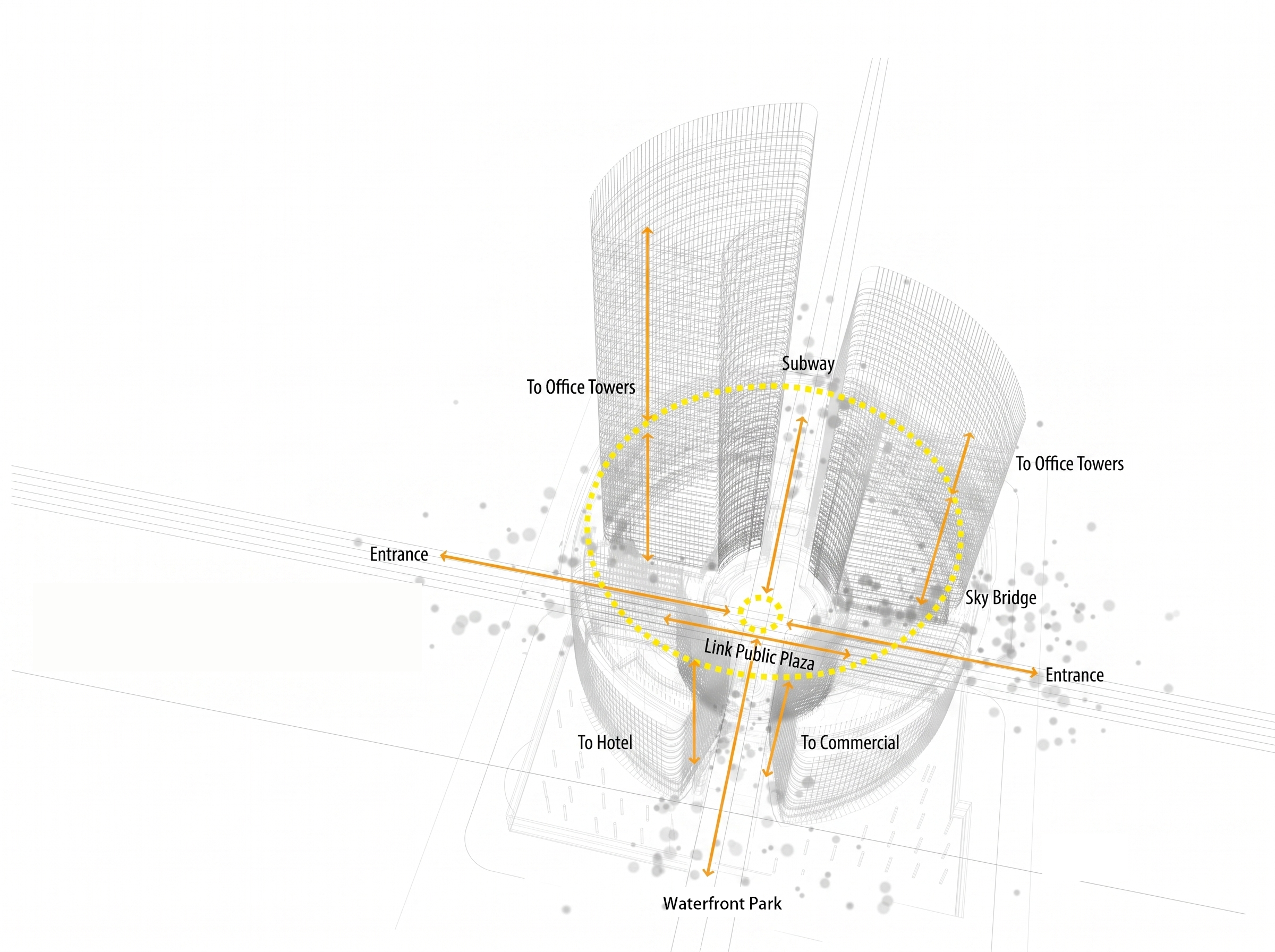
Guided by a "Four Towers, Two Axes, One Ring" concept, the design transforms connectivity into an architectural experience, linking people, nature, and diverse experiences within a connected urban community.
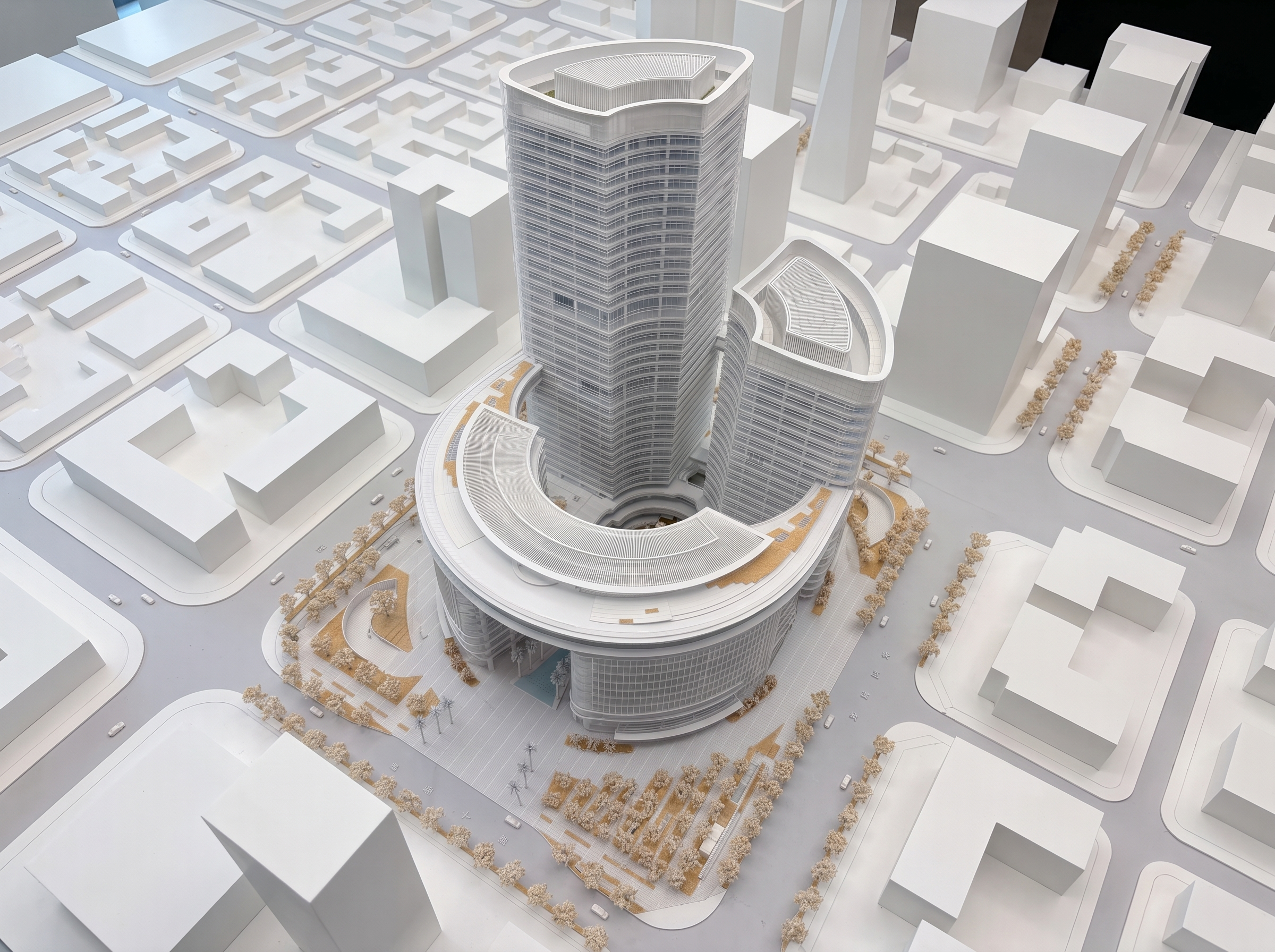
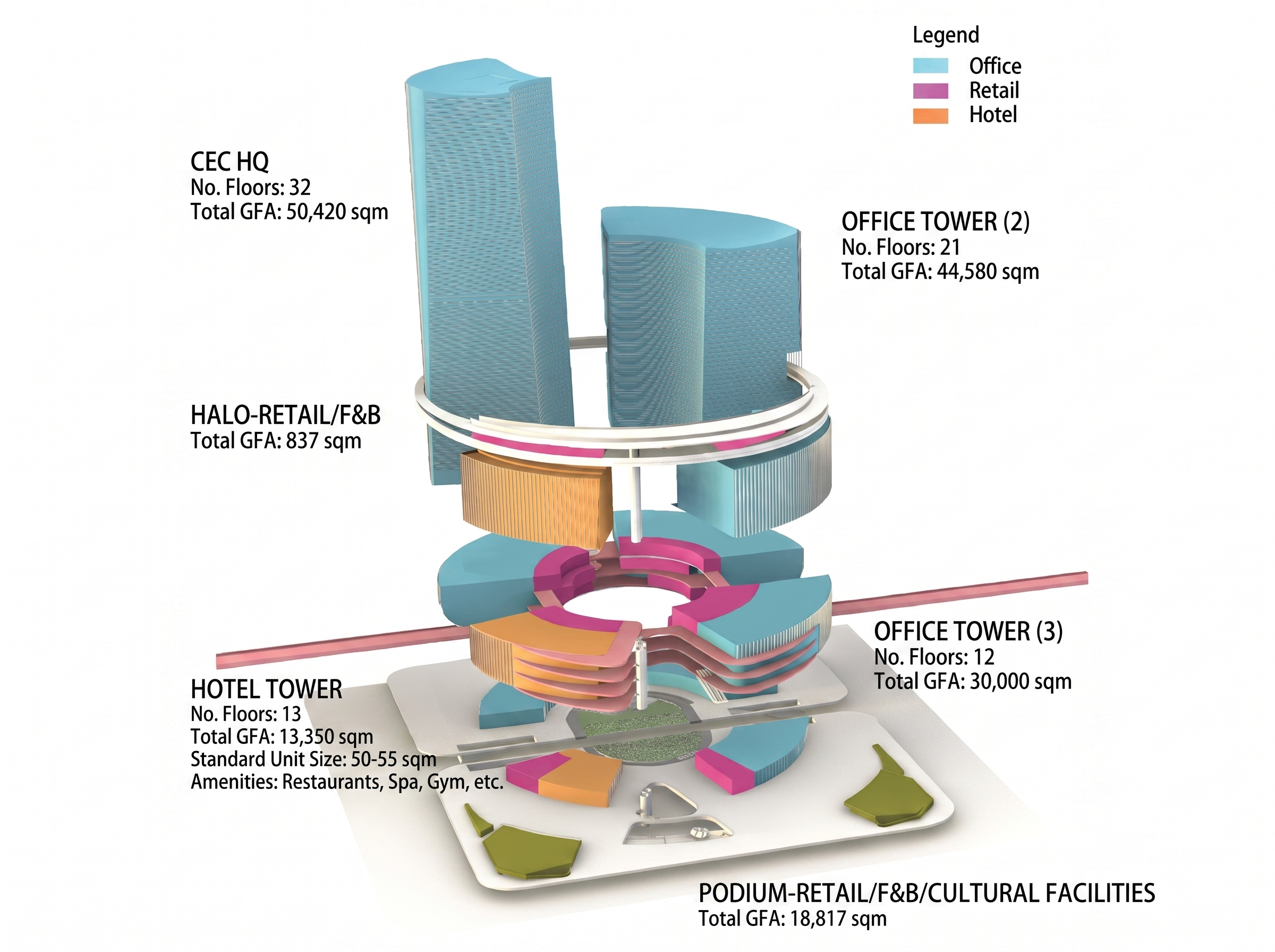
Our design organizes four curved towers around a central public plaza, creating a cohesive campus that promotes connectivity and engagement. A signature sky-ring promenade links office, retail, hotel, and cultural programs while offering panoramic views across Shenzhen Bay. Through multi-level public spaces, second-floor bridges, landscaped plazas, and an active pedestrian network, the development reimagines the corporate headquarters as a vibrant 24/7 vertical urban community that encourages collaboration, social interaction, and shared experiences.
![[NEEDS INPUT: alt text]](https://cdn.sanity.io/images/iexz7ctt/development/e256fe7bd52d6b5f13b2aad1f101f3f5687d3474-6000x4200.jpg?w=3840&q=75&auto=format&fit=max)
![[NEEDS INPUT: alt text]](https://cdn.sanity.io/images/iexz7ctt/development/f459ad9faa144e5a822b05e726bb1c6b4c8cbc67-3125x4899.jpg?w=3840&q=75&auto=format&fit=max)
![[NEEDS INPUT: alt text]](https://cdn.sanity.io/images/iexz7ctt/development/256771832f3f07adeaa7507f3b622140c648bcf1-5000x4000.jpg?w=3840&q=75&auto=format&fit=max)
![[NEEDS INPUT: alt text]](https://cdn.sanity.io/images/iexz7ctt/development/d45b751f6b1ee807c65b25fd6a95954f7beecdbd-5000x3538.jpg?w=3840&q=75&auto=format&fit=max)
![[NEEDS INPUT: alt text]](https://cdn.sanity.io/images/iexz7ctt/development/1b82d7c77fca724f8d4477cfa5d4ceea4d0aff9d-5091x5693.jpg?w=3840&q=75&auto=format&fit=max)
Related Content
160K
Connected Development Area · sqm
4
Connected Towers
150
Tower Height · meters
How connectivity shaped a new model for urban life in Shenzhen Bay.
The design process began with a simple question: how could a headquarters contribute to the connected, walkable, and mixed-use future envisioned for Shenzhen Bay? Rather than treating offices, hospitality, retail, and public space as separate components, the team explored how they could work together as a unified urban ecosystem. A “Four Towers, Two Axes, One Ring” framework emerged from this process, organizing connections across the site while creating opportunities for interaction, exploration, and outdoor experiences that extend beyond the workplace.
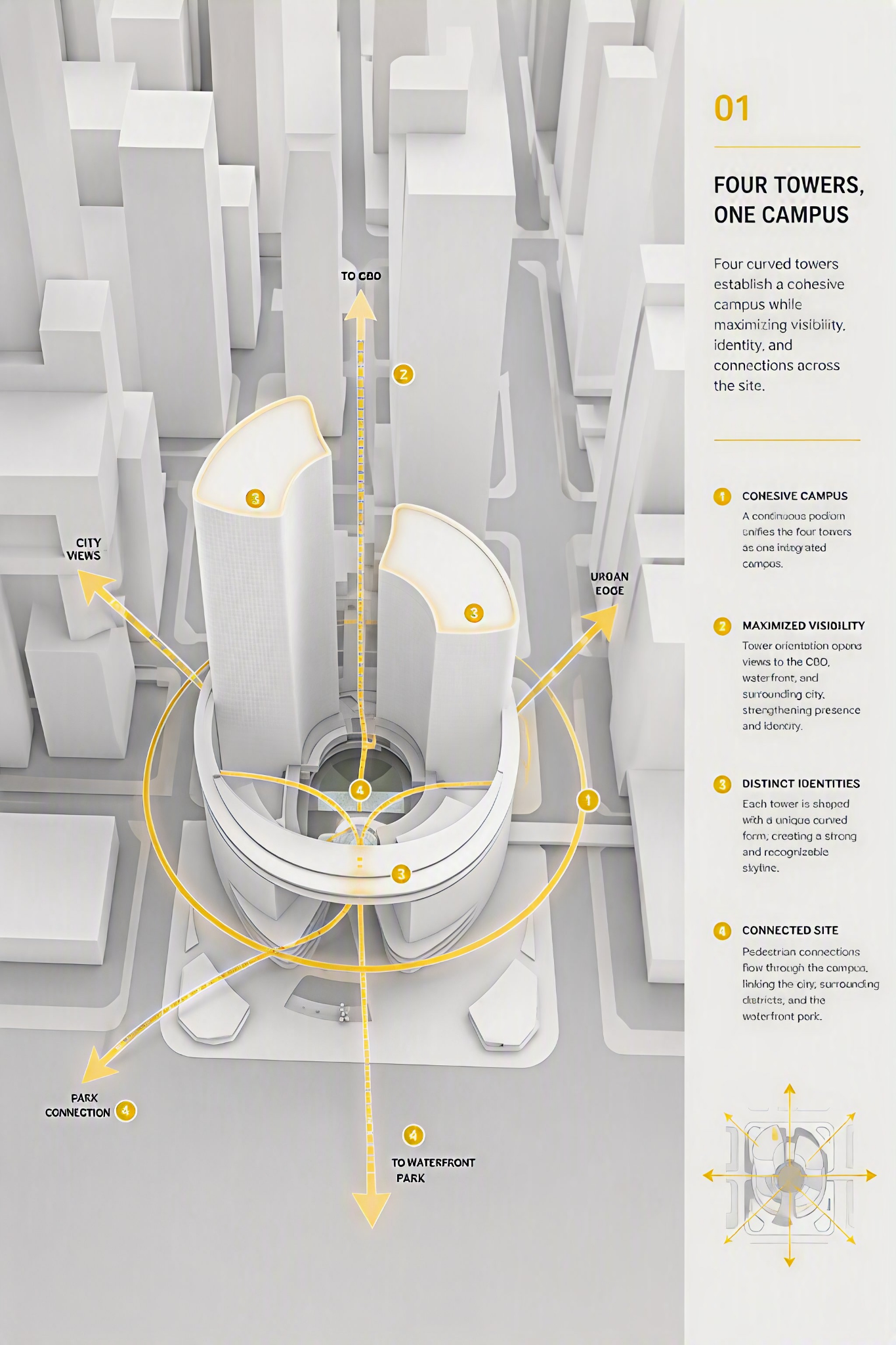
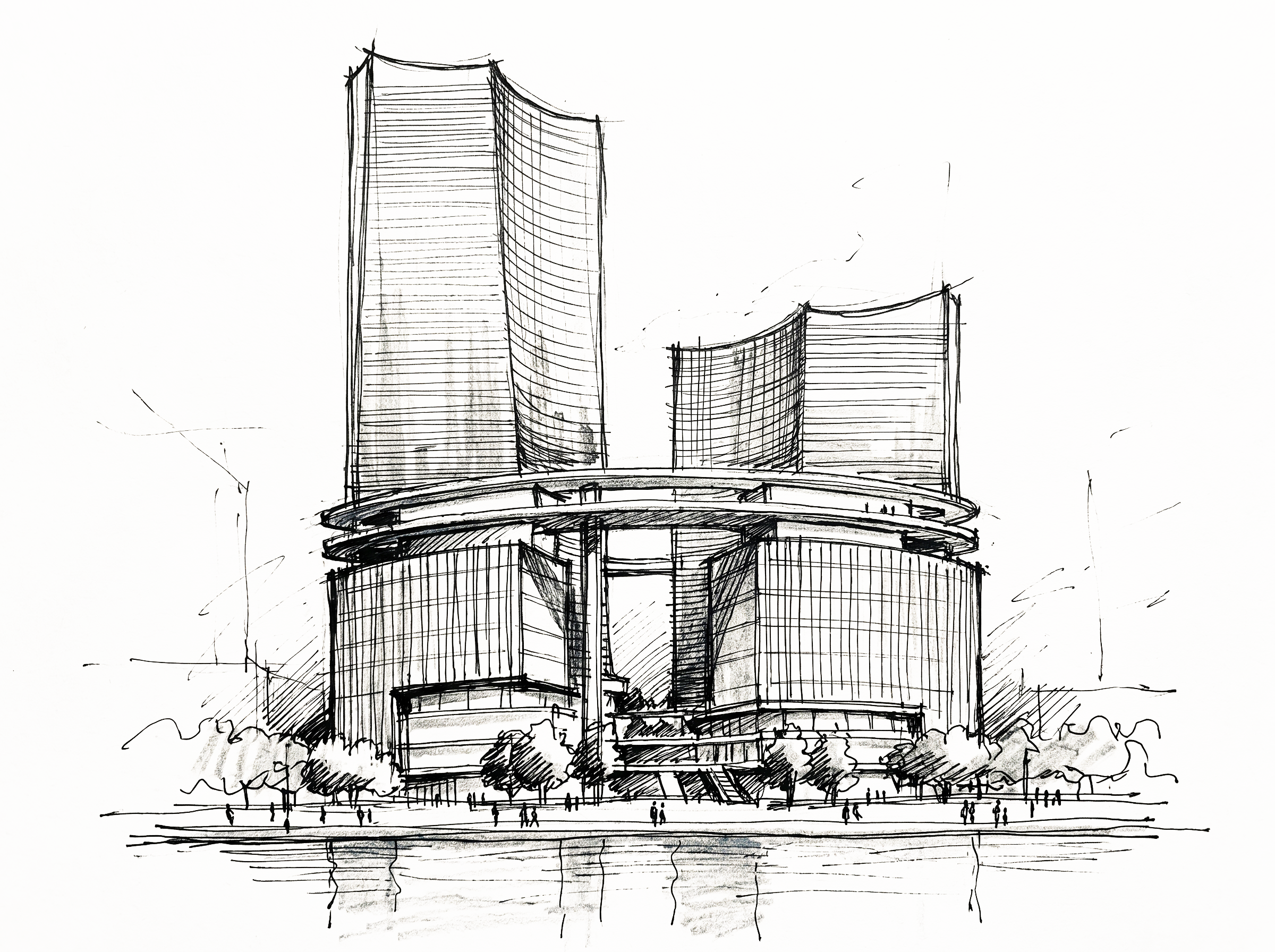
Four-Tower Composition
Four curved towers establish a cohesive campus while maximizing visibility, identity, and connections across the site.
Impact
What began as a headquarters development became a catalyst for connection, community, and a more vibrant model of urban life in Shenzhen Bay.
By bringing together diverse uses, public experiences, and connections to nature, the project contributes to a more active, walkable, and connected urban community.
![[NEEDS INPUT: alt text]](https://cdn.sanity.io/images/iexz7ctt/development/8ca64825a33b7968bfb97960fff39c9ba65e009c-1440x1080.jpg?w=3840&q=75&auto=format&fit=max)
What Changed Because of This
01
Connected Experiences
By integrating workplaces, hospitality, retail, and public amenities, the project creates a seamless network of experiences that supports activity throughout the day.
02
Walkable Urbanity
Open plazas, pedestrian connections, and accessible public spaces strengthen walkability while encouraging greater interaction between the development and the surrounding district.
03
Urban Vitality
A mix of programs, outdoor destinations, and community-oriented spaces contributes to a more vibrant urban environment that extends beyond traditional business hours.

Connectivity was never treated as a single gesture or destination. It became the framework for linking people, programs, nature, and urban life into a unified experience.
Team
Project Leadership

FAQ
Where is the project located?
What makes CEC Shenzhen Bay Headquarters different from a traditional corporate headquarters?
What does the “Four Towers, Two Axes, One Ring” concept mean?
Why is the Sky Ring important to the project?
How does the project connect people with nature?
How does the project contribute to Shenzhen Bay's future city vision?
Related Content