
![[NEEDS INPUT: alt text]](https://cdn.sanity.io/images/iexz7ctt/development/8a49a646d1bb4956a3e20556426bea7a32dd9786-3000x1500.tif)
Overview
SDSU’s flexible, LEED-Gold Snapdragon Stadium extends performance beyond game day as a year-round civic anchor for campus, community, and San Diego.
![[NEEDS INPUT: alt text]](https://cdn.sanity.io/images/iexz7ctt/development/12a31bde8d07768779f3e32f2f6221d8f7123258-2200x1450.jpg?w=3840&q=75&auto=format&fit=max)
![[NEEDS INPUT: alt text]](https://cdn.sanity.io/images/iexz7ctt/development/c8263a068cc8fb561b2ed435b134ebaac7b95d8f-3000x2000.tif)
![[NEEDS INPUT: alt text]](https://cdn.sanity.io/images/iexz7ctt/development/6d45a282f9d45927adbe64be29fa86b9f16939d8-2200x1467.jpg?w=3840&q=75&auto=format&fit=max)
Opportunity
As college athletics grow into a multibillion-dollar industry, universities are rethinking facilities as strategic assets. For San Diego State University, the opportunity ran deeper: Aztec football had gone over 50 years without a true home.
SDSU envisioned a 35,000-seat Division I stadium that could serve as a strategic business asset, hosting professional teams, concerts and year-round programming while remaining true to the community’s vision: a venue that felt authentically San Diego and reflected the people who shaped it.

![[NEEDS INPUT: alt text]](https://cdn.sanity.io/images/iexz7ctt/development/68c646b8810907ed6a98970a5aa3b593cfddb798-3000x2000.tif)
Why This Matters
01
New Campus Anchor
Snapdragon Stadium gave SDSU a powerful front door for its Mission Valley expansion, creating a recognizable destination that supports athletics, academics, and public life.
02
More Than Game Day
The stadium needed to work harder than a traditional sports venue, supporting concerts, professional teams, university events, and community programming throughout the year.
03
Stronger San Diego Identity
Success meant creating a venue that felt rooted in the city’s climate, culture, and landscape while strengthening SDSU’s presence in the broader region.
We challenged Gensler to design a unique stadium that meets the needs of the entire San Diego community, and we look forward to working together to deliver a great stadium.
Solution
Delivered via design-build, Snapdragon Stadium reimagines the stadium typology through openness, landscape, and social connectivity.
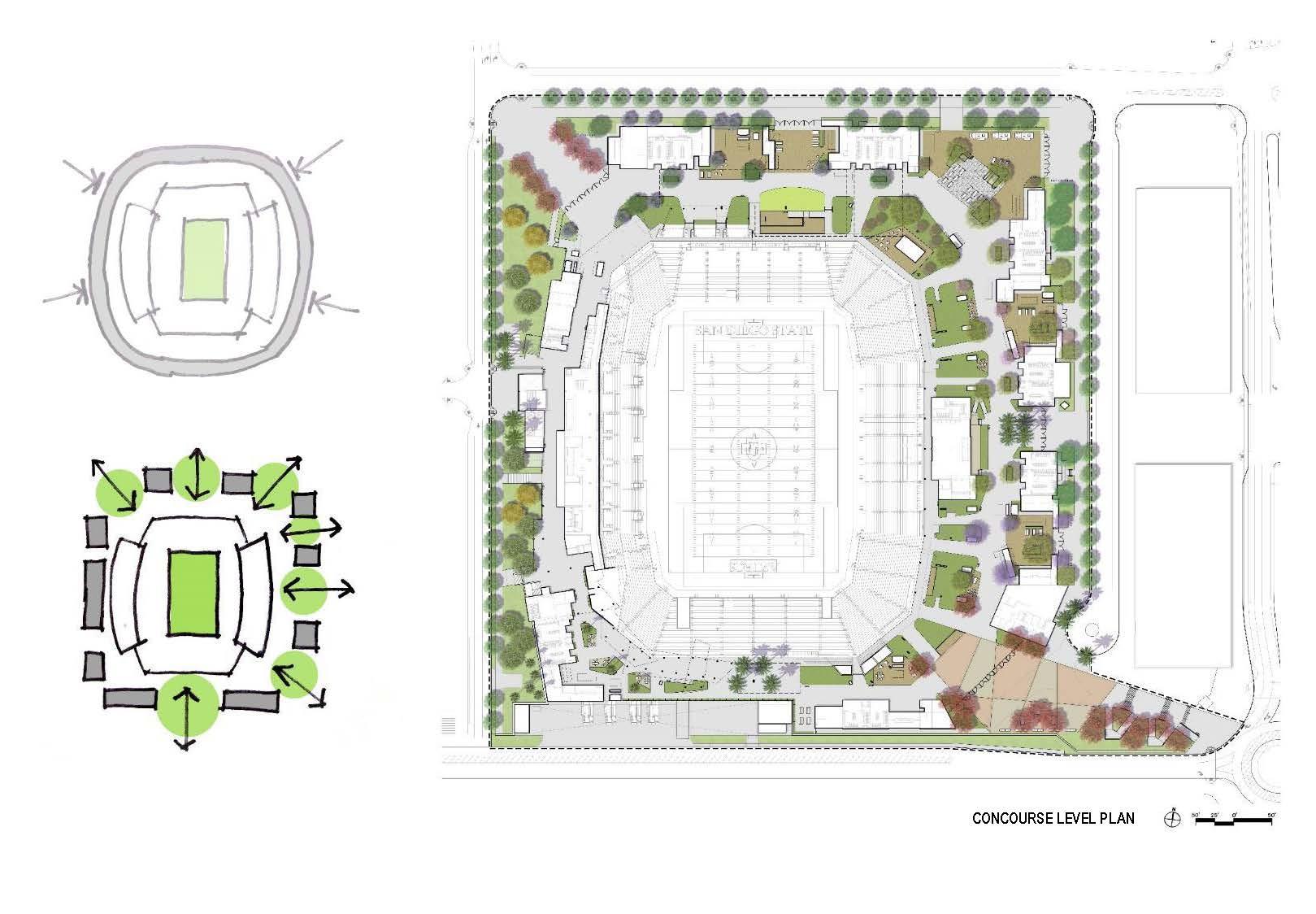
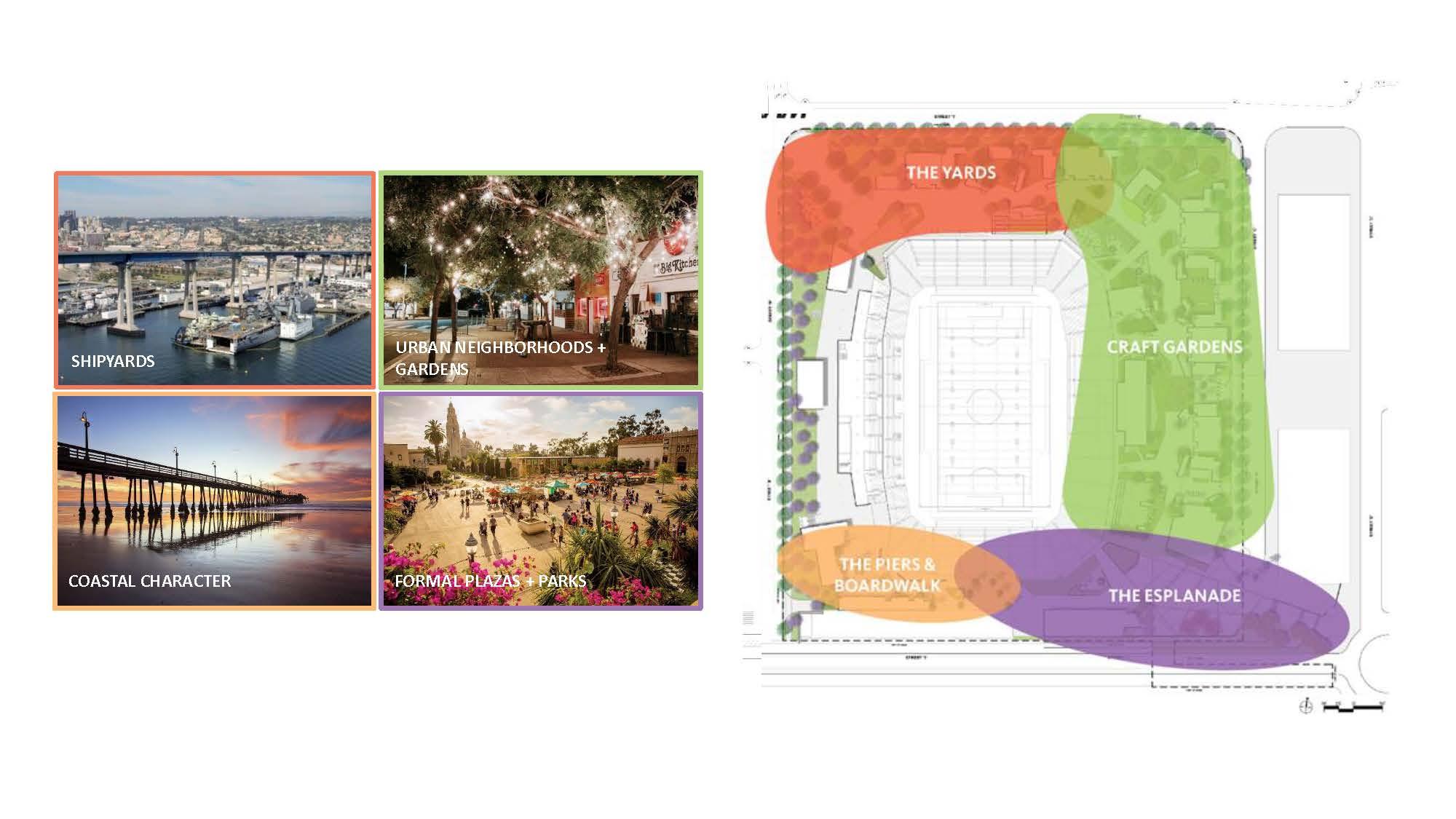
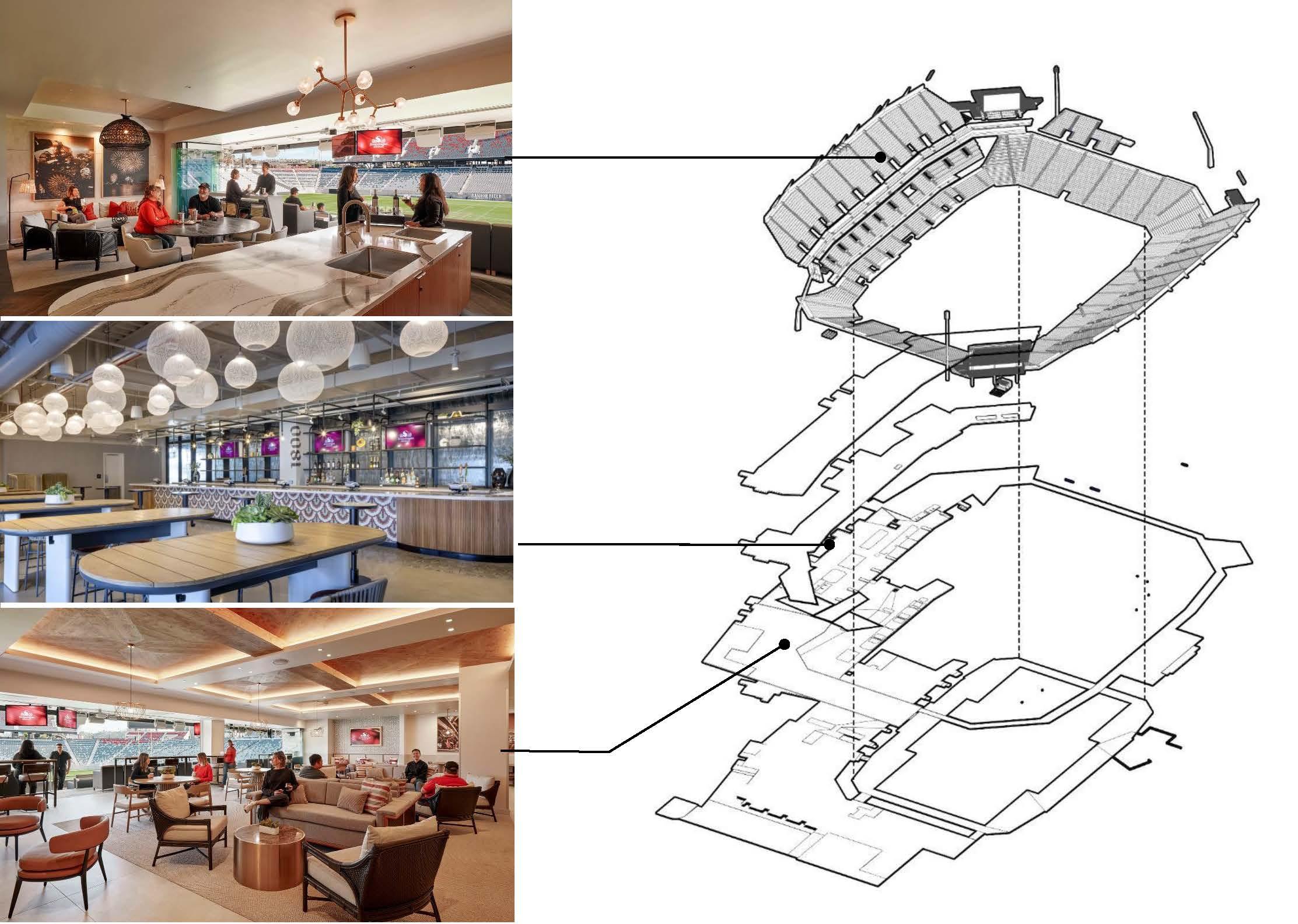
A permeable perimeter dissolves the boundary between venue and city, welcoming fans into landscaped concourses that feel as much like a park as a stadium. Indigenous plantings and open-air circulation reflect San Diego’s climate and culture. Three elevated decks extending over the seating bowl deliver immersive, communal viewing over multiple levels. A 5,000-seat student section, including 2,900 safe-standing seats inspired by European and MLS models, intensifies the atmosphere.
![[NEEDS INPUT: alt text]](https://cdn.sanity.io/images/iexz7ctt/development/dc602f9c166de07350157ac0a7042771e6bae645-8159x5078.tif)
![[NEEDS INPUT: alt text]](https://cdn.sanity.io/images/iexz7ctt/development/875a3665a80bcc7ba2a965e553d0c8c3a2c3d5fa-8188x5442.tif)
Related Content
5,000
Student Section · seats
35K
Division I Stadium · seats
16
Suites
From brief to build: how SDSU’s new stadium became an open-air, San Diego-rooted venue designed for speed, flexibility, and year-round use.
The project’s design-build delivery required the team to move quickly without losing sight of experience, identity, or performance. Early process work focused on translating SDSU’s ambitions into a stadium that could feel intimate on game day, adaptable for major events, and connected to the surrounding Mission Valley campus. Through engagement with SDSU leaders, athletics staff, students and event partners, the team refined fan movement, shade and landscape strategies, and premium, student and community experiences.
From Parking Lot to Neighborhood
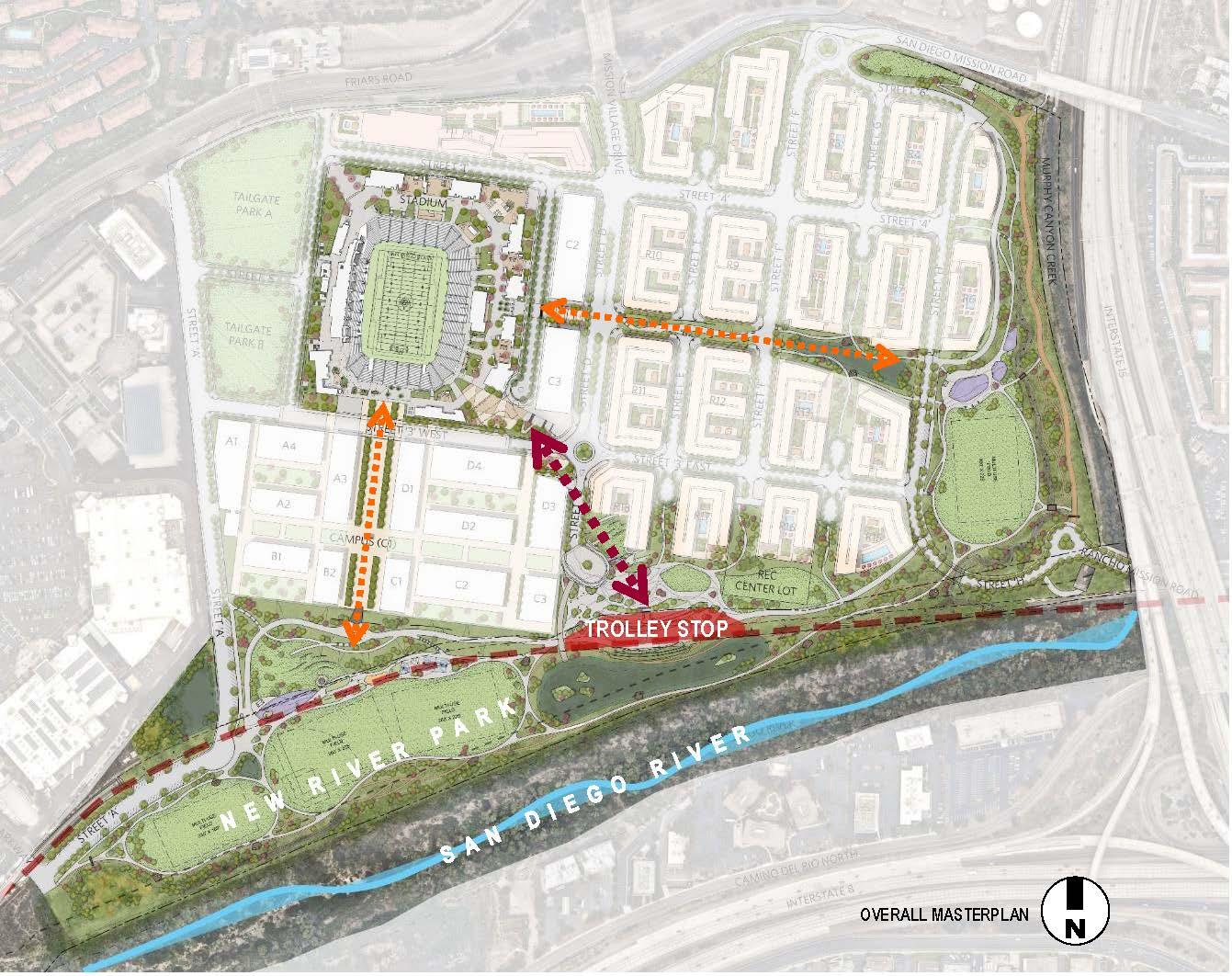
Re-developing the largest parking lot west of the Mississippi into a mixed-use neighborhood fronting a new regional river park.
Impact
Snapdragon Stadium establishes a new model for collegiate venues, balancing landscape, community and flexibility with performance while creating a record-setting home for San Diego sports.
The LEED Gold stadium integrates Indigenous plantings, open-air circulation, and biophilic design that reduce environmental impact. As the anchor of SDSU’s Mission Valley Campus expansion, it supports year-round programming and strengthens community identity. The stadium is home to SDSU Aztec football, the National Women’s Soccer League’s San Diego Wave FC, and Major League Soccer’s San Diego FC, drawing sold-out crowds and setting NWSL attendance records along the way.
![[NEEDS INPUT: alt text]](https://cdn.sanity.io/images/iexz7ctt/development/9ac9dc80708f6bb1c719cff3fe100c2b6033d9d8-3000x2000.tif)
What Changed Because of This
01
Fan Experience
The stadium creates a more social, open-air experience, with layered viewing decks, active concourses, and student seating that energizes game day.
02
Environmental Performance
LEED Gold strategies, native planting, and open-air circulation help reduce environmental impact while making comfort and climate central to the venue experience.
03
Community Use
Beyond SDSU football, the stadium supports professional sports, concerts, university events, and civic programming that keep the district active year-round.

Snapdragon Stadium shows how a collegiate venue can be open, flexible, and deeply rooted in its city while serving campus and community year-round.
Recognition
Coliseum News
Sports Business Journal
Team
Project Leadership



FAQ
Where is Snapdragon Stadium located?
Who designed Snapdragon Stadium?
How does Snapdragon Stadium support year-round use?
What makes Snapdragon Stadium sustainable?
Related Content
![[NEEDS INPUT: alt text]](https://cdn.sanity.io/images/iexz7ctt/development/a6531b839e510ee39e0b24a00b52d2a1843a936a-8144x5429.jpg?w=3840&q=75&auto=format&fit=max)
![[NEEDS INPUT: alt text]](https://cdn.sanity.io/images/iexz7ctt/development/9132be28b36f64eca6386fd1ee0de1ac5757b99c-2000x1333.webp?w=3840&q=75&auto=format&fit=max)