

![[NEEDS INPUT: alt text]](https://cdn.sanity.io/images/iexz7ctt/development/1605eb1c92b2c250fd27eeb607021c670fe4c913-5500x3673.tif)
Overview
A New Convention Center Hotel Rooted in Southern Hospitality and Innovation
![[NEEDS INPUT: alt text]](https://cdn.sanity.io/images/iexz7ctt/development/243016fb0b461d48173dcc69b7cd279da20df50d-5500x3675.tif)
![[NEEDS INPUT: alt text]](https://cdn.sanity.io/images/iexz7ctt/development/a0effa131c42a1bb5ad6f752414861eab371a603-5500x3672.tif)
![[NEEDS INPUT: alt text]](https://cdn.sanity.io/images/iexz7ctt/development/ba21ac0fc914511ed002b7fb6e5b9d0de98b2140-5500x3667.tif)
![[NEEDS INPUT: alt text]](https://cdn.sanity.io/images/iexz7ctt/development/5607aa5f505ad6cb07f107f38e23e778eaefa950-5500x3669.tif)
![[NEEDS INPUT: alt text]](https://cdn.sanity.io/images/iexz7ctt/development/fa9e38363b0405ed1e8ec12b8dfbdc11c09a490c-7008x4672.jpg?w=3840&q=75&auto=format&fit=max)
![[NEEDS INPUT: alt text]](https://cdn.sanity.io/images/iexz7ctt/development/d957754deb19ee653b5a94a522199b11168caffd-5500x3677.tif)
![[NEEDS INPUT: alt text]](https://cdn.sanity.io/images/iexz7ctt/development/f48c16ecca6c50dc05ec7df253dd6c0237e4fa7e-5500x3675.tif)
![[NEEDS INPUT: alt text]](https://cdn.sanity.io/images/iexz7ctt/development/ac0efcaf87b013a378d2dd7c619ef4c959a5a1d4-5500x3675.tif)
![[NEEDS INPUT: alt text]](https://cdn.sanity.io/images/iexz7ctt/development/5659a046bb6dd1f444ad4ee9086c93ab2cf4f6ea-5500x3676.tif)
![[NEEDS INPUT: alt text]](https://cdn.sanity.io/images/iexz7ctt/development/0249799f9df67d7072dbcc5a2c648490234f7e21-5500x3672.tif)
![[NEEDS INPUT: alt text]](https://cdn.sanity.io/images/iexz7ctt/development/946ae06be637a513d40673586af0d3d9783890a4-5500x3668.tif)
![[NEEDS INPUT: alt text]](https://cdn.sanity.io/images/iexz7ctt/development/5cb0270933c4fc7d5a11e5a33d3211d94be9c7d6-5500x3672.tif)
Opportunity
Atlanta needed a world-class hospitality destination that could strengthen the convention campus, elevate visitor experiences, and catalyze downtown revitalization.
The Georgia World Congress Center welcomes more than 1 million visitors annually, yet lacked a signature hospitality experience capable of matching its scale and ambition. The Georgia World Congress Center Authority sought a destination that could support major conventions and events while expressing Atlanta’s unique identity. Beyond adding hotel rooms, the opportunity was to strengthen the campus, create stronger connections between visitors and the city, and contribute to the ongoing evolution of Downtown Atlanta and the rapidly growing Westside.
More about this topic

![[NEEDS INPUT: alt text]](https://cdn.sanity.io/images/iexz7ctt/development/5f7d325ec68adb94583e32c8e24f8e54d8c0f226-7008x4672.jpg?w=3840&q=75&auto=format&fit=max)
Why This Matters
01
Strengthening Atlanta’s Convention Economy
As competition among convention destinations increases, creating a world-class hospitality experience was critical to Atlanta’s ability to attract major events and visitors.
02
Creating Destination-Driven Experiences
Today’s travelers increasingly prioritize meaningful experiences over transactions. The hotel needed to become a destination in itself while extending guests’ engagement with Atlanta.
03
Connecting City and Campus
The project created stronger physical and social connections between the convention campus, surrounding neighborhoods, and Downtown Atlanta’s growing cultural ecosystem.
Signia by Hilton Atlanta complements our vision for a compact and connected campus featuring a package of facilities unrivaled in any city in the United States.
Solution
A vertically connected hospitality experience transformed the convention hotel model into a destination that celebrates Atlanta through design, culture, and community.
Rather than creating a traditional convention hotel, the design team developed an innovative “stacked amenities” concept that organizes hospitality, dining, and event experiences vertically throughout the tower. Public spaces were conceived as modern interpretations of Southern gathering places, weaving together local art, regional materials, landscape references, and architectural cues inspired by Atlanta’s neighborhoods and history. Direct connections to the convention center are balanced with welcoming community-facing spaces, creating a seamless experience for visitors while reinforcing the hotel’s role as a civic destination.
![[NEEDS INPUT: alt text]](https://cdn.sanity.io/images/iexz7ctt/development/46f7e7d14b68ac41ccdd6628a407ddb4e01f1f70-5500x3676.tif)
![[NEEDS INPUT: alt text]](https://cdn.sanity.io/images/iexz7ctt/development/388ef9c42d43b0c6619ff4f8ab67c6734e9ddc7c-5500x3673.tif)
![[NEEDS INPUT: alt text]](https://cdn.sanity.io/images/iexz7ctt/development/798688b5580c414c2fb64e162b1787df0516fd18-5500x3672.tif)
![[NEEDS INPUT: alt text]](https://cdn.sanity.io/images/iexz7ctt/development/e6abc6158c3ce0816c564376842fce99a5b83fb5-5500x3671.tif)
![[NEEDS INPUT: alt text]](https://cdn.sanity.io/images/iexz7ctt/development/3e7f5935cf4c3f666a45fc962ba1fad820789725-5500x3670.tif)
Related Content
The hotel includes 976 guest rooms and suites, making it one of Atlanta’s largest hospitality developments.
Guest Accommodations
The project delivers more than 100,000 square feet of meeting and event space, including one of Georgia’s largest hotel ballrooms.
Meeting & Event Space
At 42 stories tall and 1.25 million square feet, Signia by Hilton Atlanta is the city’s largest ground-up hotel development in 40 years
Development Scale
From brief to build: translating Southern hospitality into architecture and experiences that connect Atlanta’s past with its future.
The Gensler team partnered with Hilton, The Drew Company, and the Georgia World Congress Center Authority to define what a next-generation convention hotel could be. Design exploration focused on how hospitality could express Atlanta’s identity while supporting world-class meetings and events. Design and wayfinding teams worked together to create a cohesive guest journey, weaving local art, wellness, hospitality, and flexible gathering spaces into one unified vision.
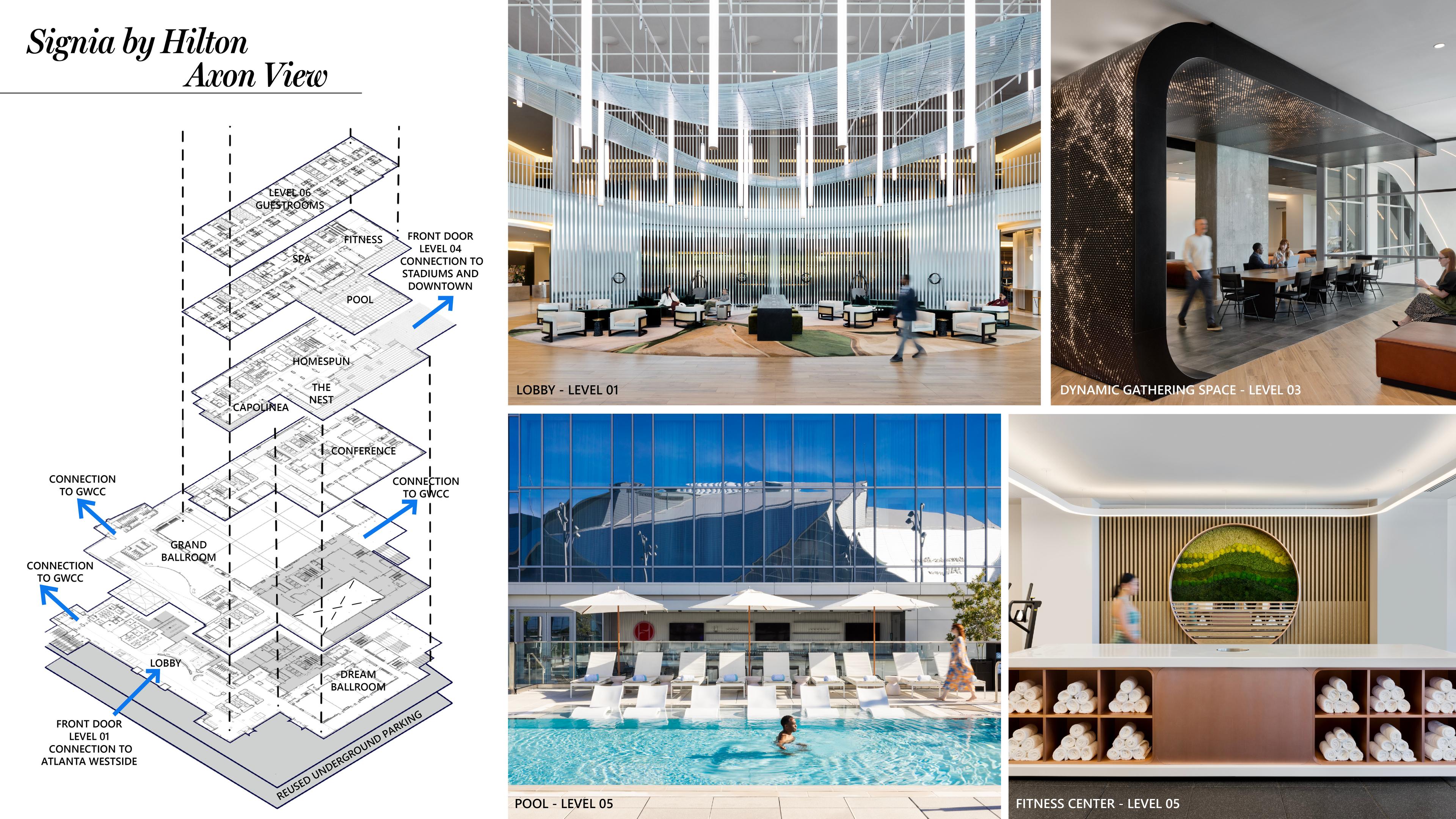
Dynamic Amenity Design
The stacked amenities approach organizes spaces vertically throughout the building to create stronger connections and more dynamic guest experiences.
Impact
A new landmark destination strengthens Atlanta’s convention economy while enriching visitor experiences and fostering deeper connections to the city.
By creating a more connected hospitality experience, Signia delivers lasting value for the convention campus and Atlanta’s future growth.
![[NEEDS INPUT: alt text]](https://cdn.sanity.io/images/iexz7ctt/development/44fa1259b7680c6e31dadf106ad47163f0f0a46d-5500x3668.tif)
What Changed Because of This
01
Elevated Hospitality
Signia reimagines the convention hotel experience, combining boutique-inspired design, elevated amenities, and authentic local character to create memorable guest journeys.
02
Downtown Activity
The hotel introduces new destinations for dining, events, wellness, and social engagement, helping attract activity and investment to Downtown Atlanta.
03
Community Connection
Local art, regional storytelling, partnerships, and public-facing gathering spaces strengthen visitors’ connection to Atlanta while celebrating the city’s identity.
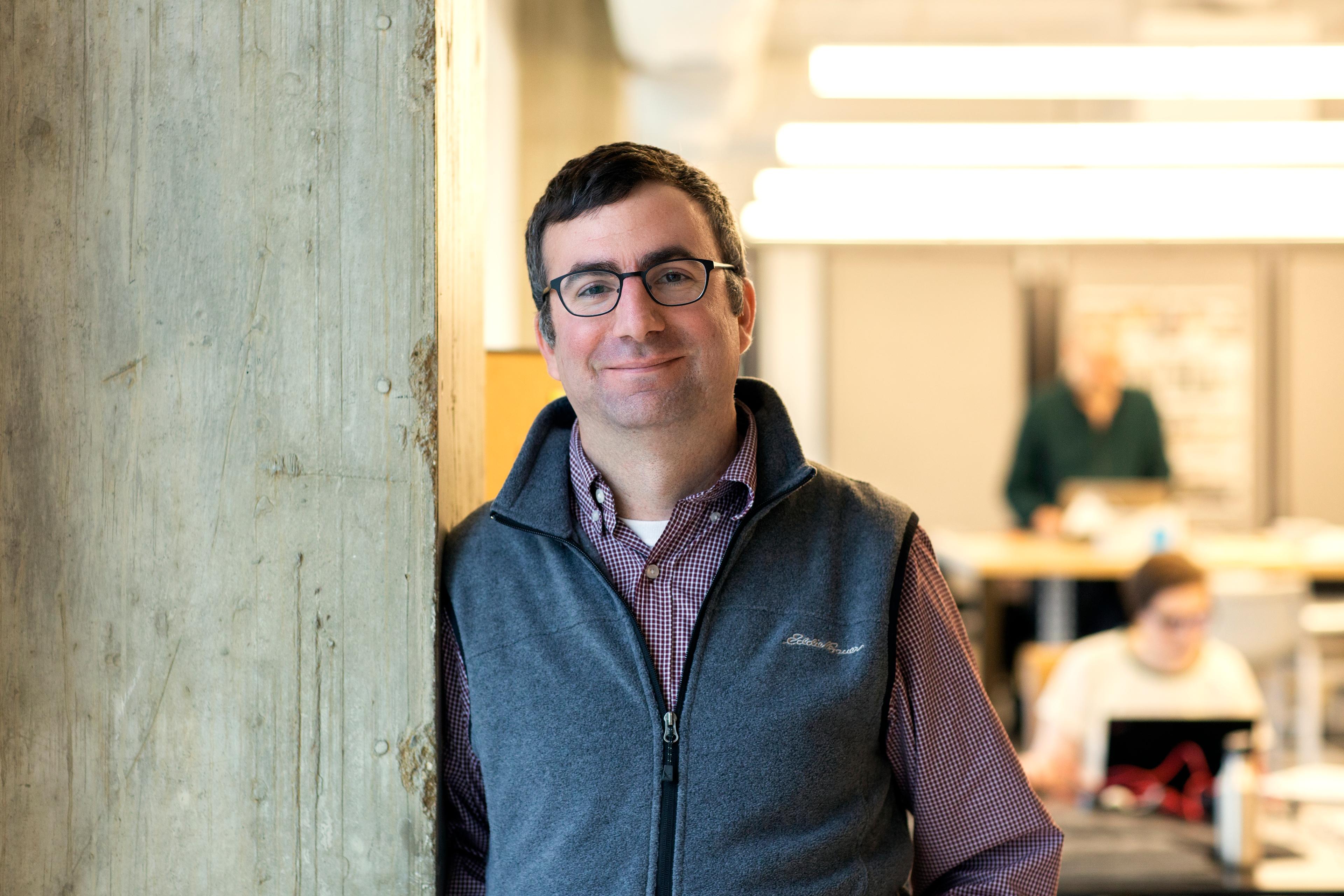
Signia positions itself as a beacon, inviting Atlantans and visitors to engage with the city’s rich history and progressive spirit.
Recognition
Interior Design
Hotel Management
Atlanta Business Chronicle
Team
Project Leadership

FAQ
Where is the Signia by Hilton Atlanta located?
What is the scale of the hotel?
How does the project support the local economy?
How does Signia advance sustainability?
Related Content

![[NEEDS INPUT: alt text]](https://cdn.sanity.io/images/iexz7ctt/development/279b70ae1270a1278aaa88980b5220c42cb205fe-5000x3125.jpg?w=3840&q=75&auto=format&fit=max)
![[NEEDS INPUT: alt text]](https://cdn.sanity.io/images/iexz7ctt/development/0c0d5d14b5ddc3da3094c6d06ed35ee00dc473ce-5120x3889.jpg?w=3840&q=75&auto=format&fit=max)