

![[NEEDS INPUT: alt text]](https://cdn.sanity.io/images/iexz7ctt/development/183863b858ea9234e67e8705fad9c10ae5a73d5b-5100x3386.jpg?w=3840&q=75&auto=format&fit=max)
Overview
A former motel becomes a trauma-informed transitional shelter where private rooms, integrated care, and research-driven design support Chicagoans experiencing homelessness.
![[NEEDS INPUT: alt text]](https://cdn.sanity.io/images/iexz7ctt/development/6861aae5fe48a542e713f99c17f7feff755122c1-2526x3242.tif)
![[NEEDS INPUT: alt text]](https://cdn.sanity.io/images/iexz7ctt/development/8b75435243b038b24b23cd91b6cbc59d5d3cff7b-2999x3400.jpg?w=3840&q=75&auto=format&fit=max)
![[NEEDS INPUT: alt text]](https://cdn.sanity.io/images/iexz7ctt/development/965f0d4296667d732a344a8b7f9a30dc5b54b955-4577x3400.jpg?w=3840&q=75&auto=format&fit=max)
![[NEEDS INPUT: alt text]](https://cdn.sanity.io/images/iexz7ctt/development/694681b01bf0cca2c994ffc6c9f59f9790d4a3ce-8652x5690.tif)
![[NEEDS INPUT: alt text]](https://cdn.sanity.io/images/iexz7ctt/development/182d877d7c86992f584440bafac3562ab24536a5-4475x3400.jpg?w=3840&q=75&auto=format&fit=max)
![[NEEDS INPUT: alt text]](https://cdn.sanity.io/images/iexz7ctt/development/87da293f050a5689125b7b1de4da1e6376962418-4533x3400.jpg?w=3840&q=75&auto=format&fit=max)
![[NEEDS INPUT: alt text]](https://cdn.sanity.io/images/iexz7ctt/development/c5f408c7d8b4c0e5817d64ec4da1101e9c767e21-4959x3400.jpg?w=3840&q=75&auto=format&fit=max)
Opportunity
Chicago needed a more dignified shelter model, one that gives people experiencing homelessness privacy, stability, and direct access to supportive services as they transition to permanent housing.
Men represent nearly 70% of Chicago’s unhoused population but have access to less than 25% of available shelter beds. Traditional congregate models can also create barriers to engagement and reinforce previous trauma. Building on lessons from Chicago’s pandemic-era hotel shelter program, the City of Chicago sought a scalable non-congregate model that provides private accommodations, wraparound services, and stronger pathways toward permanent housing.
More about this topic

![[NEEDS INPUT: alt text]](https://cdn.sanity.io/images/iexz7ctt/development/920badeb116b04bd857730e1819c1c4ca08c0a9c-5100x3319.jpg?w=3840&q=75&auto=format&fit=max)
Why This Matters
01
Scalable Adaptation
The project demonstrates how underused buildings can be adapted to address urgent housing needs while making strategic use of existing structures and infrastructure.
02
Beyond Shelter
Integrating healthcare, social services, and supportive programming creates a more connected environment for people navigating a critical transition.
03
Dignity First
Private rooms and bathrooms give residents greater autonomy and control, creating conditions that support safety, comfort, and engagement with care.
The Haven on Lincoln is a testament to what is possible when we prioritize the physical and mental well-being of our residents. By reviving this space and returning it to the community, we are providing stability while ensuring our most vulnerable neighbors have the resources and the respect they need to feel at home in our City.
Solution
Adaptive reuse and trauma-informed design transform a former motel into a place where housing, healthcare, and everyday life work together.
Developed with Chicago’s Department of Housing and Department of Public Health, and now operated by Cornerstone Community Outreach, the design uses the motel’s existing configuration to give each resident a private room and bathroom while replacing institutional cues with residential-scale spaces. A living-room-like lobby, flexible dining and therapy areas, and medical rooms bring everyday life and care together. Outdoors, a healing garden provides space for respite, and connection to nature. A midcentury-inspired palette draws from the original motel while creating a sense of familiarity and calm.
![[NEEDS INPUT: alt text]](https://cdn.sanity.io/images/iexz7ctt/development/1759516fad9de5d168dbb31ac6739f39944d2333-4625x3400.jpg?w=3840&q=75&auto=format&fit=max)
![[NEEDS INPUT: alt text]](https://cdn.sanity.io/images/iexz7ctt/development/99d0a766604c6db5912be6e427eb2cd78cdf8318-2545x3400.jpg?w=3840&q=75&auto=format&fit=max)
![[NEEDS INPUT: alt text]](https://cdn.sanity.io/images/iexz7ctt/development/2efb3d77a3abd2eb0eaa50581665616455dbff0a-2933x3400.jpg?w=3840&q=75&auto=format&fit=max)
![[NEEDS INPUT: alt text]](https://cdn.sanity.io/images/iexz7ctt/development/7e43bc6258d744f3317947ea8af0081c8a3fea8a-5100x2749.jpg?w=3840&q=75&auto=format&fit=max)
![[NEEDS INPUT: alt text]](https://cdn.sanity.io/images/iexz7ctt/development/2f80839d1b31bf8fc2894c0dac6fda0fd31bad1d-5272x3763.tif)
Related Content
37
Private Sleeping Rooms
35
Rooftop Solar Array · kw
865
Mural by Chicago-based Artist Ryan Tova Katz · sqft
From brief to build: how research, practitioner collaboration, and the existing motel structure shaped a new approach to stabilization housing.
The design process was grounded in post-occupancy research from North Side Housing & Supportive Services and collaboration with medical and behavioral health practitioners. The team studied how privacy, choice, access to nature, and thoughtful design could support relationships between residents and staff. The motel’s individual rooms and exterior circulation already supported a non-congregate model, allowing the team to adapt rather than rebuild the structure. Principles of trust, collaboration, and empowerment guided decisions — from resident rooms and wayfinding to shared spaces, materials, and outdoor environments.
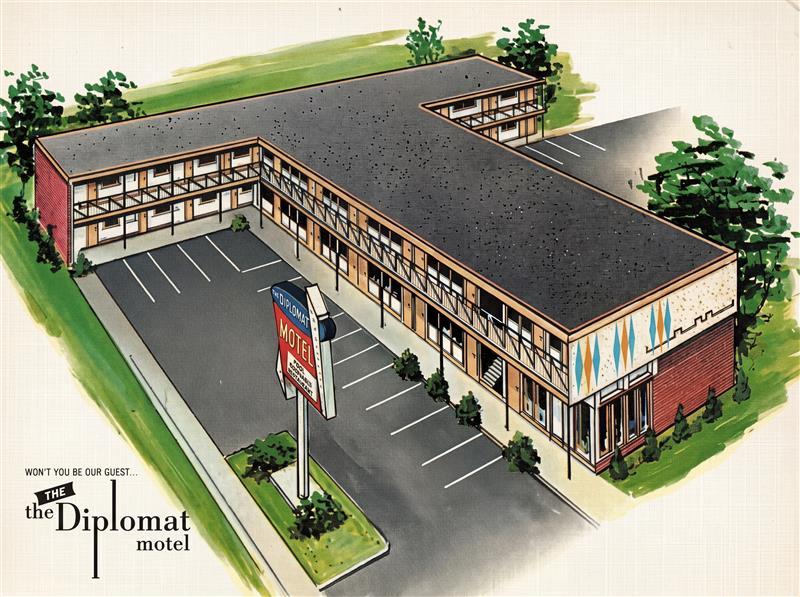
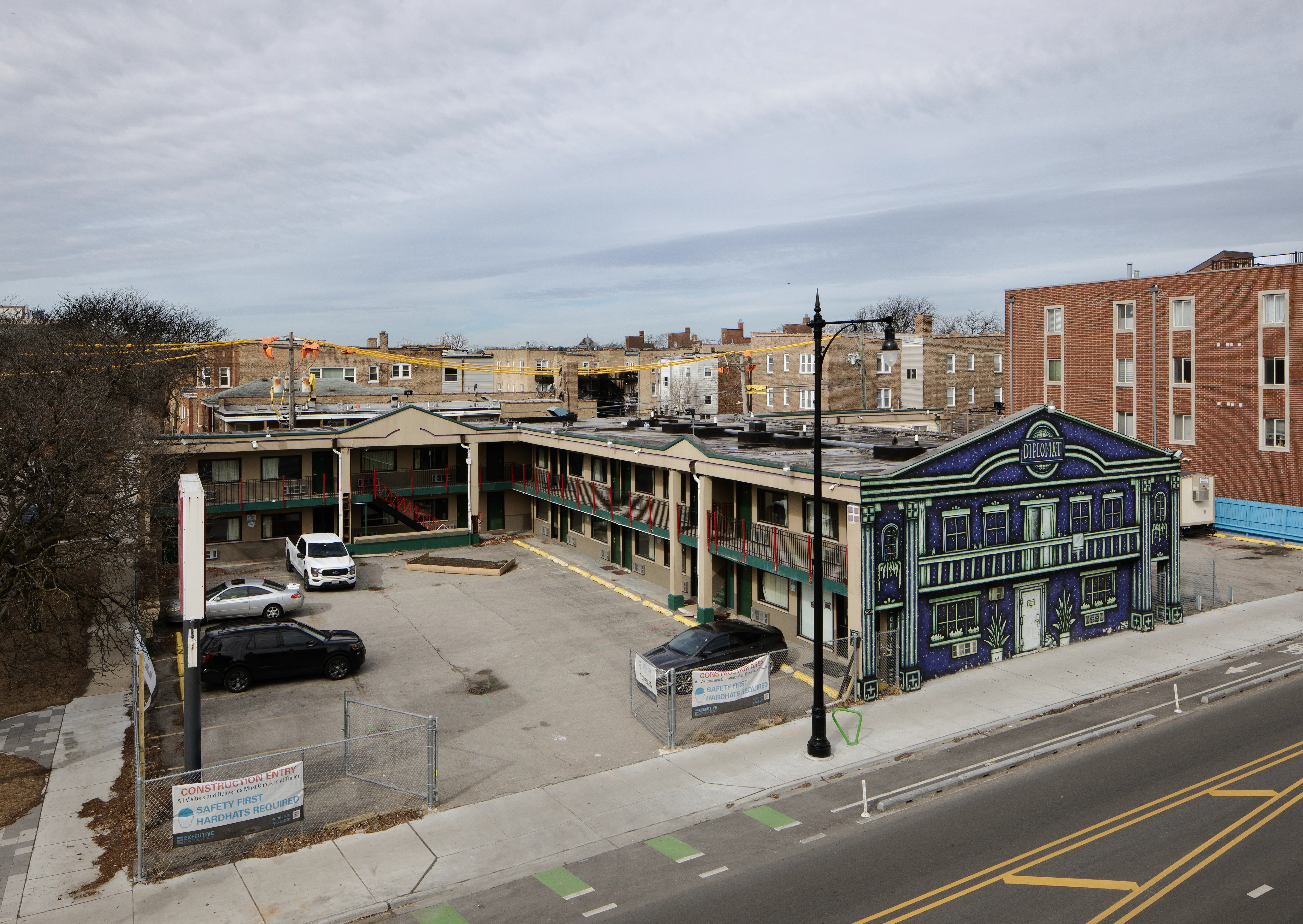
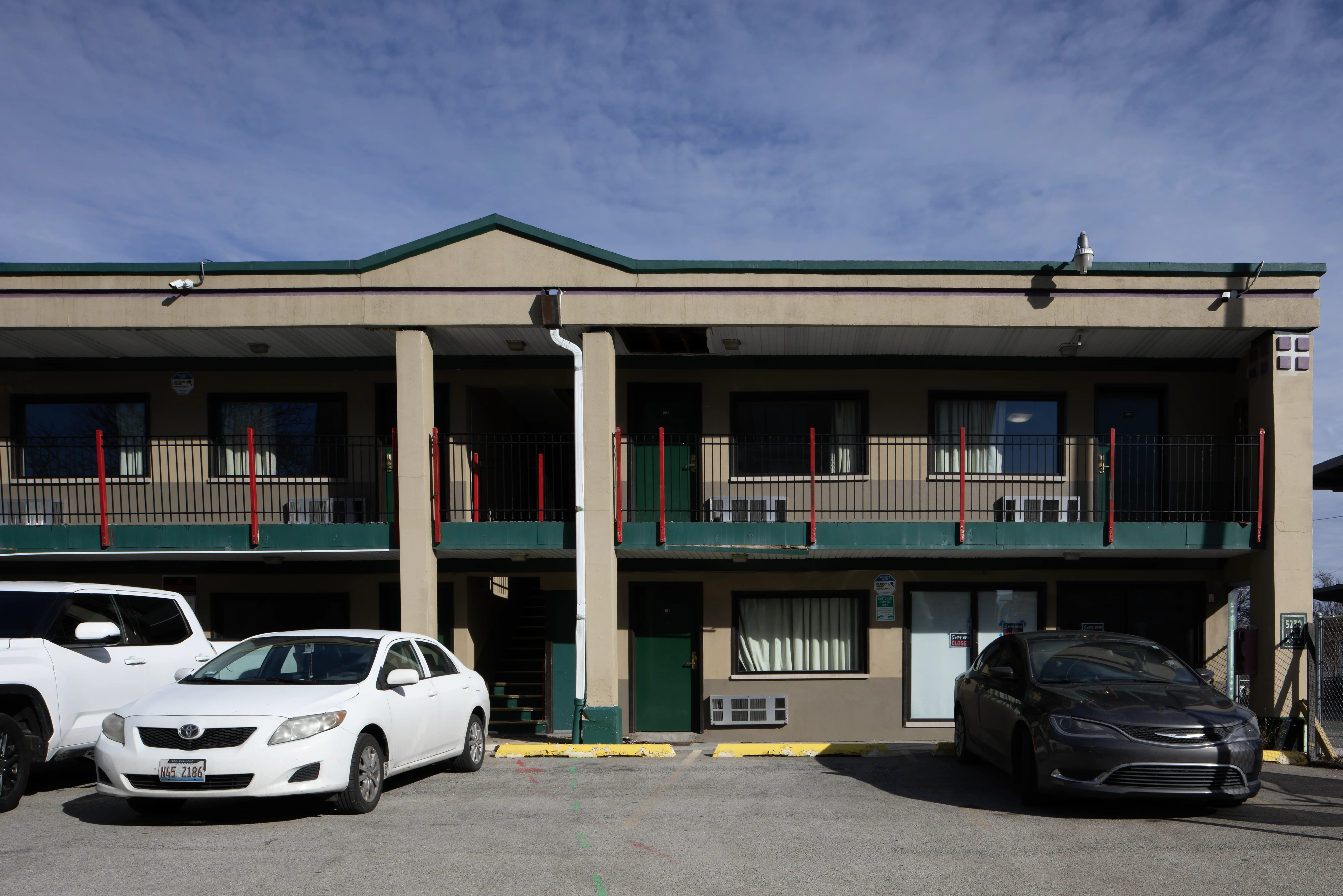
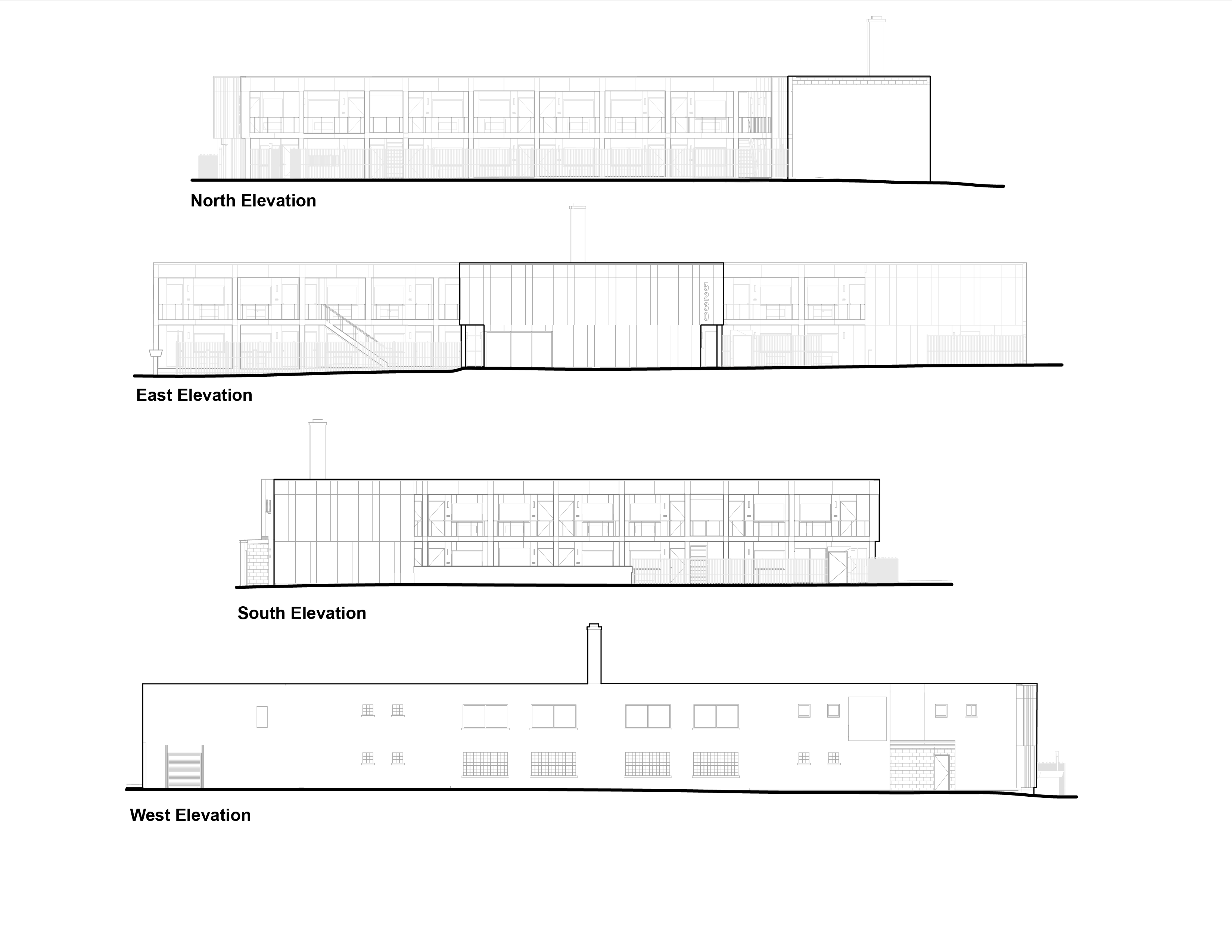
Motel as Foundation
The original midcentury motel’s individual rooms and exterior circulation provided spatial framework for a non-congregate housing model.
Impact
The Haven on Lincoln establishes a new model for Chicago’s stabilization shelters, grounded in privacy, care, resilience, and trauma-informed design within an existing neighborhood building.
By reusing an existing motel, Haven delivers private housing and integrated care while extending the building’s life and reducing the need for new construction.
![[NEEDS INPUT: alt text]](https://cdn.sanity.io/images/iexz7ctt/development/f31b9b36dd6273efc6d701a11570543bd8769b90-5100x3199.jpg?w=3840&q=75&auto=format&fit=max)
What Changed Because of This
01
Residential Experience
Private rooms and bathrooms, individual environmental controls, and residential-scale shared spaces give residents greater privacy, autonomy, and control over their surroundings.
02
Care Within Reach
Healthcare, social support, and community spaces are integrated into the facility, connecting residents with resources that support stability and permanent housing.
03
Energy as Resilience
As the Midwest’s first all-electric shelter, Haven pairs solar generation with battery storage to maintain critical operations during grid disruptions.

The Haven on Lincoln demonstrates how design can strengthen public projects and expand dignified pathways to housing.
Recognition
Chicago Sun-Times
Block Club Chicago
Urbanize Chicago
Team
Project Leadership

FAQ
How can adaptive reuse help address housing shortages?
What makes trauma-informed design important in transitional housing?
How does the project support residents beyond providing shelter?
Why were private rooms prioritized in the design?
How did research inform the design of Haven on Lincoln?
Why is the building all-electric?
Related Content
![[NEEDS INPUT: alt text]](https://cdn.sanity.io/images/iexz7ctt/development/9b4f9b984a296649789f53cfb314b36e27634e0c-5100x2876.jpg?w=3840&q=75&auto=format&fit=max)

![[NEEDS INPUT: alt text]](https://cdn.sanity.io/images/iexz7ctt/development/4ef1f3d8f5a6292e38fd6969b561ebe153ae0423-5100x2869.jpg?w=3840&q=75&auto=format&fit=max)