

![[NEEDS INPUT: alt text]](https://cdn.sanity.io/images/iexz7ctt/development/9b4f9b984a296649789f53cfb314b36e27634e0c-5100x2876.jpg?w=3840&q=75&auto=format&fit=max)
Overview
Perched at the edge of a forest preserve, a first-of-its-kind wellness center supports people with neurological conditions through holistic, nature-connected care.
![[NEEDS INPUT: alt text]](https://cdn.sanity.io/images/iexz7ctt/development/7b829f7bf7b6050a07aa25abf0b9af95d29a1ac7-7360x4912.tif)
![[NEEDS INPUT: alt text]](https://cdn.sanity.io/images/iexz7ctt/development/e853d1169743acd7e431e06d4c50df17a7faf047-8256x4415.tif)
![[NEEDS INPUT: alt text]](https://cdn.sanity.io/images/iexz7ctt/development/f6b00870afdfaf3800d790c3a5ce978d925f22dc-8256x4916.tif)
Opportunity
OhioHealth sought to extend neurological care beyond treatment with a dedicated place supporting physical and cognitive health, independence, and community.
Neurological conditions such as Parkinson’s disease, stroke, and multiple sclerosis can affect mobility, cognition, independence, and quality of life. OhioHealth saw an opportunity to expand its continuum of care beyond clinical treatment, giving people access to exercise, education, rehabilitation, emotional support, and specialized expertise. The organization envisioned a new kind of destination where individuals with different abilities could build skills, manage their conditions, and connect with caregivers and others navigating similar experiences in an environment designed specifically around neurological needs.
More about this topic

![[NEEDS INPUT: alt text]](https://cdn.sanity.io/images/iexz7ctt/development/aee01c53d139a8e20a897f4bb453e64471f42e27-6978x4376.tif)
Why This Matters
01
Whole-Person Support
Neurological care extends beyond appointments and treatment. Exercise, education, emotional support, and social connection can all play important roles in an individual’s ongoing wellness journey.
02
Designed for Different Abilities
Neurological conditions can affect movement, balance, cognition, and sensory processing, requiring environments that accommodate a wide range of abilities and experiences.
03
Supporting Care Networks
Bringing individuals, caregivers, clinicians, and community resources together creates opportunities for learning and ongoing support.
FPO Quote
Solution
Movement and nature became organizing principles of the design, shaping an accessible environment where people of varying abilities have equal access to the surrounding landscape.
Positioned along a ridge overlooking the forest and wetland, the low, linear building opens outward, drawing the landscape into a central courtyard. An interior walking track connects wellness studios, learning and support spaces, and the Gerlach Clinic, offering treetop views along the way. Exercise studios incorporate overhead harnessing for balance support, while intuitive wayfinding, controlled daylight, quiet and active zones, and subtle material transitions respond to neurological needs. Nature trails and outdoor spaces extend the experience beyond the building.
![[NEEDS INPUT: alt text]](https://cdn.sanity.io/images/iexz7ctt/development/5ce06a874e0b7a0b090127ee07d0c597fd54d5b3-5027x2710.tif)
![[NEEDS INPUT: alt text]](https://cdn.sanity.io/images/iexz7ctt/development/c2846937a915b787d5cb301aa7f38a0384517f73-8256x5504.tif)
![[NEEDS INPUT: alt text]](https://cdn.sanity.io/images/iexz7ctt/development/58a2408d02f7ea62d8cdef800a21bad781b0dfaa-8256x5504.tif)
![[NEEDS INPUT: alt text]](https://cdn.sanity.io/images/iexz7ctt/development/dd2b50e6de30a7c4a0210be9b13e6c2a269d4a4e-7360x4197.tif)
Related Content
25.3K
Building Size · sqft
44% Below Baseline
Predicted Energy Reduction
90%+
Spaces with Outdoor Views
From brief to build: how stakeholder engagement, user journeys, and site analysis shaped a new environment for neurological wellness.
Beginning in 2017, Gensler worked with clinicians, administrators, community members, caregivers, and people living with neurological conditions to define the center’s program and vision. Workshops and visioning sessions helped identify its site on the Riverside campus, where the forest and wetland became fundamental to the design concept. User journey exercises and virtual reality visualization allowed the team to test circulation, accessibility, sensory conditions, and program relationships, while flexible planning anticipated different abilities and changing needs over time.
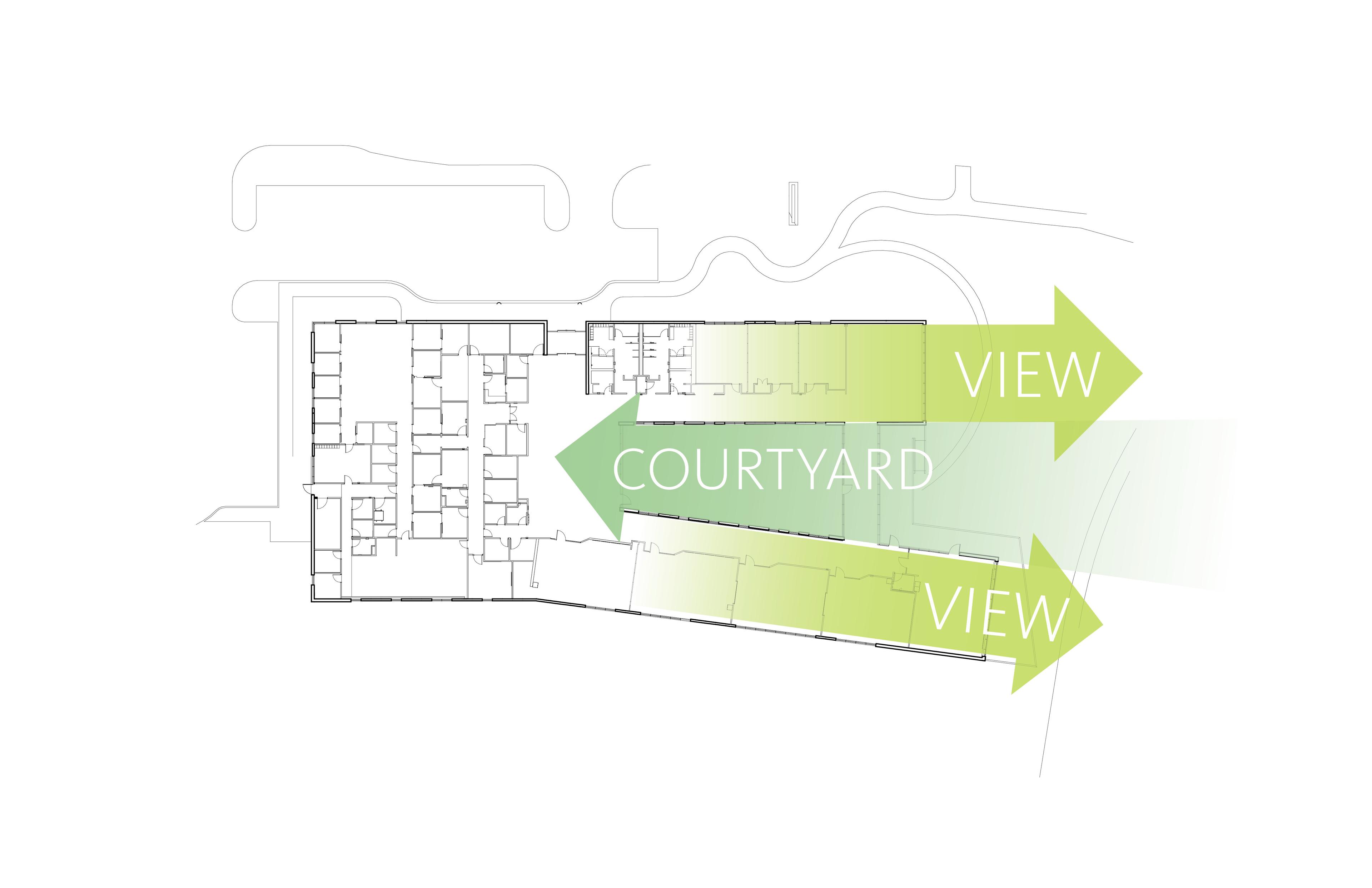
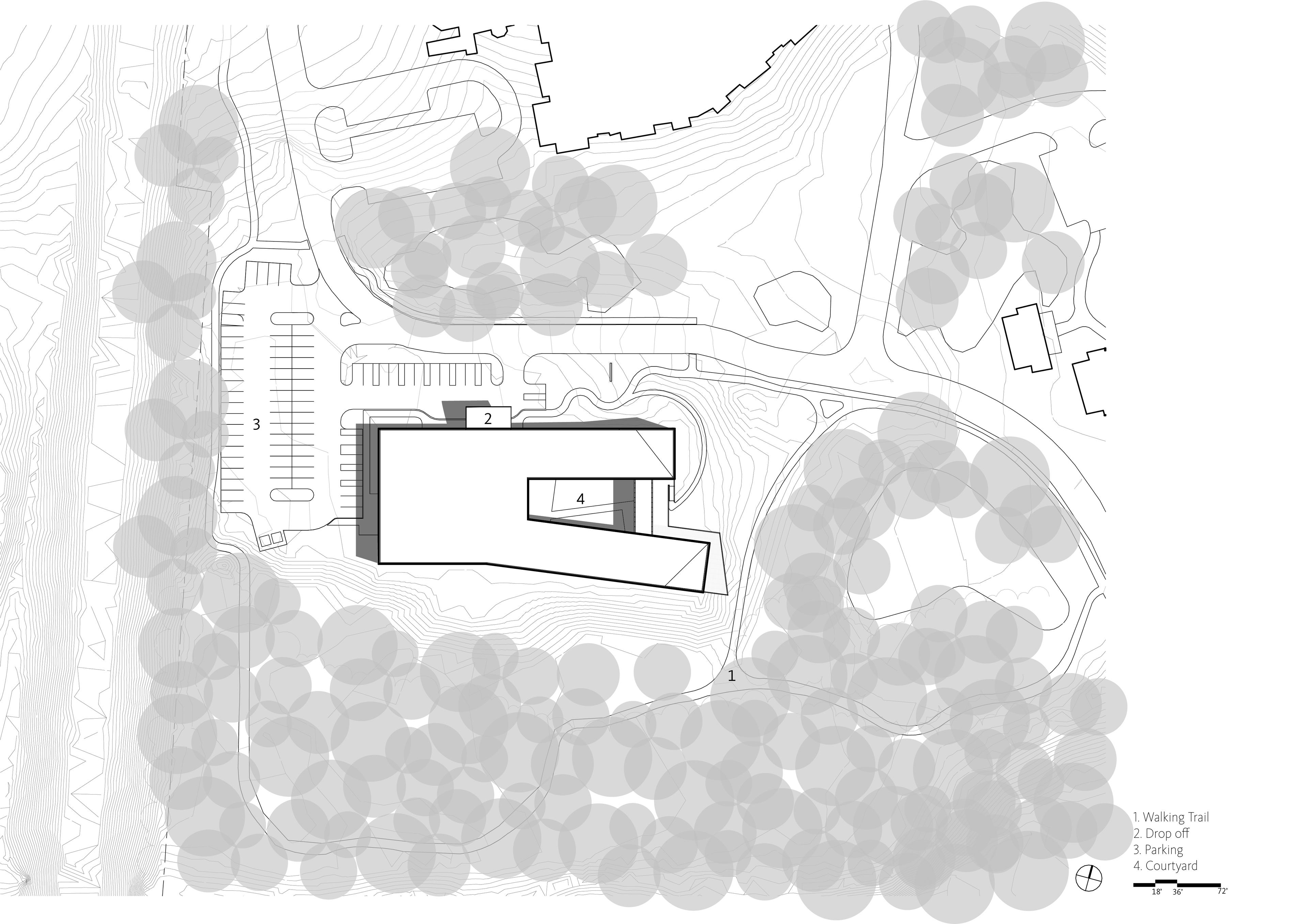
Designing Around Nature
Workshops identified the forest and wetland as key assets, shaping building orientation, views, and courtyard connections.
Impact
The center expands OhioHealth’s continuum of neurological care, giving people a place to build skills, pursue wellness, and connect beyond clinical treatment.
Clinical services, exercise, education, nutrition, and community programs now come together in an environment designed specifically around neurological needs.
![[NEEDS INPUT: alt text]](https://cdn.sanity.io/images/iexz7ctt/development/79d5c5cb9b407483a0f9710f0cad35e390d28db7-8256x4678.tif)
What Changed Because of This
01
Expanded Care
The center gives people with neurological conditions access to exercise, education, wellness, and support programs alongside clinical services in one dedicated destination.
02
Greater Independence
Accessible circulation, intuitive wayfinding, adaptable exercise environments, and carefully controlled sensory conditions support people with different abilities as they navigate the center.
03
Community Connection
Shared spaces, educational programs, walking trails, and outdoor areas create opportunities for patients, caregivers, staff, and community members to connect.
Recognition
Healthcare Design
Architect Magazine
Columbus Business First
Team
Project Leadership
FAQ
How can healthcare organizations support neurological patients beyond traditional treatment?
Why was nature so important to the design?
What makes this facility different from a typical healthcare building?
How does the design accommodate people with neurological conditions?
How does the facility support caregivers and families?
How can healthcare spaces accommodate changing patient abilities?
Related Content
![[NEEDS INPUT: alt text]](https://cdn.sanity.io/images/iexz7ctt/development/f57f03523d349b947041ae32cb5f81b691686ee0-5120x2779.jpg?w=3840&q=75&auto=format&fit=max)
![[NEEDS INPUT: alt text]](https://cdn.sanity.io/images/iexz7ctt/development/16cebc80ba4bc7c6e098bdd1653e87a21871dfc4-7779x4244.tif)
![[NEEDS INPUT: alt text]](https://cdn.sanity.io/images/iexz7ctt/development/7fc135377fb80ffaeef355e73351f27d7b3ac616-8192x5464.tif)