

![[NEEDS INPUT: alt text]](https://cdn.sanity.io/images/iexz7ctt/development/7b4666f833e18bc6c445b09caca10d04329dc69a-8001x5430.jpg?w=3840&q=75&auto=format&fit=max)
Overview
Through a comprehensive renovation, coupled with strategic interventions, the project delivers improved operational efficiencies and an enhanced passenger experience.
![[NEEDS INPUT: alt text]](https://cdn.sanity.io/images/iexz7ctt/development/c7e8f7eb114c387abdfc14daec1aa1540b6e1519-8256x5504.jpg?w=3840&q=75&auto=format&fit=max)
![[NEEDS INPUT: alt text]](https://cdn.sanity.io/images/iexz7ctt/development/5f7291bab0fac5ea5852364955a7b3f7e5d9f045-5424x6250.jpg?w=3840&q=75&auto=format&fit=max)
![[NEEDS INPUT: alt text]](https://cdn.sanity.io/images/iexz7ctt/development/3e9d518a86ef897938743ccc85d729911fea9b05-5467x7248.jpg?w=3840&q=75&auto=format&fit=max)
![[NEEDS INPUT: alt text]](https://cdn.sanity.io/images/iexz7ctt/development/a6c5ceab00a33232d8367b623d1e0f6659710dee-8164x5498.jpg?w=3840&q=75&auto=format&fit=max)
![[NEEDS INPUT: alt text]](https://cdn.sanity.io/images/iexz7ctt/development/3e07a9303e4b94194b713503102a9bf3bfaf17c4-4620x6545.jpg?w=3840&q=75&auto=format&fit=max)
![[NEEDS INPUT: alt text]](https://cdn.sanity.io/images/iexz7ctt/development/94239019ee6e6081e3b09ca9c2b2c6f6a0687806-5446x8019.jpg?w=3840&q=75&auto=format&fit=max)
Opportunity
Airports are the first and last impression for visitors and their design should reflect the community they serve.
The modern lodge-like experience serves as an extension of people’s vacations. Gunnison, known for its harsh winters, needed an airport that supports traveler well-being due to delays incurred by inclement weather. The outdated airport had high operational costs due to poor climate control and inefficiencies, making immediate upgrades essential.
More about this topic

![[NEEDS INPUT: alt text]](https://cdn.sanity.io/images/iexz7ctt/development/cce1fc6ca6f2cfe1f22dacce5403acd893efc827-7624x5085.jpg?w=3840&q=75&auto=format&fit=max)
Why This Matters
01
Designed for a Demanding Climate
Gunnison's harsh winters and weather delays made traveler comfort and dependable building performance essential to the airport's next chapter. Poor climate control, cold-air infiltration, and operational inefficiencies drove the need for upgrades that could enhance performance while leveraging the existing building structure.
02
Building Reuse, Without Compromise
GUC reuses most of the existing building structure. Strategic planning allowed for prioritization of operational efficiency largely within the existing footprint. Through key expansions, thoughtful facade upgrades, and aggressive sustainability targets, the building achieves net zero energy operations.
03
A Gateway That Reflects Place
As the first and last impression of Gunnison and Crested Butte, the terminal needed to celebrate local identity while welcoming visitors to both communities.
When people arrive at the airport, they are arriving in a building that truly represents our community and culture. It is the last thing they experience when they leave, which creates a lasting impression whether for visitors or locals.
Solution
The design for the new Gunnison-Crested Butte Regional Airport minimized new construction and leveraged the existing building.
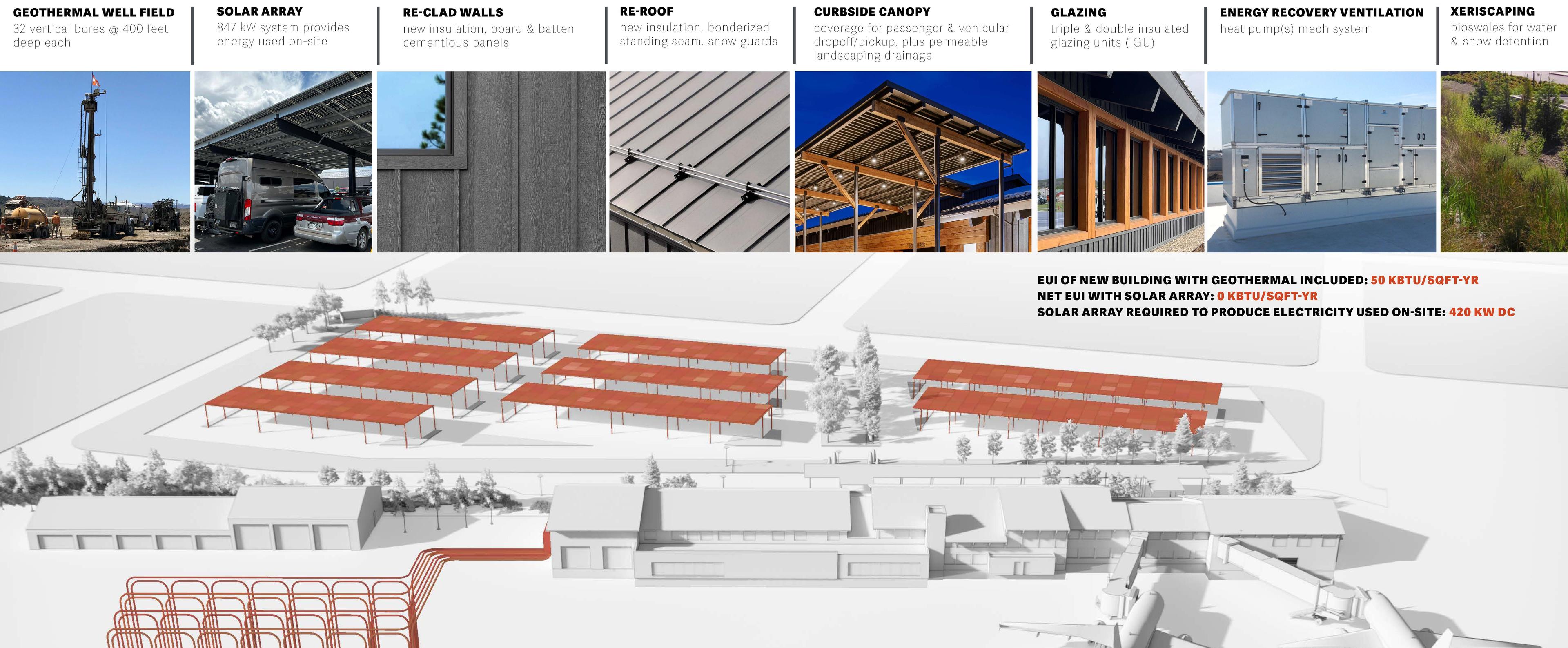
With the goal of achieving net-zero energy, the all-electric terminal incorporates sustainable strategies like solar and geothermal systems to reduce energy consumption and carbon emissions. Upgrading the building envelope with an R-36 continuous insulation roof and R-20.3 + R-10 continuous insulation walls significantly improved thermal comfort and energy efficiency. The reconfiguration enhanced operational efficiency for staff and reduced passenger anxiety.
![[NEEDS INPUT: alt text]](https://cdn.sanity.io/images/iexz7ctt/development/72b202c2d052c4e437d8f7473724765e5c16a6b4-5316x7027.jpg?w=3840&q=75&auto=format&fit=max)
![[NEEDS INPUT: alt text]](https://cdn.sanity.io/images/iexz7ctt/development/f1da49d879b66b85d5c7b7e91d3b2019196d4d08-4802x6846.jpg?w=3840&q=75&auto=format&fit=max)
![[NEEDS INPUT: alt text]](https://cdn.sanity.io/images/iexz7ctt/development/06ee7b5189a2798311b742ce2785366376e8cba4-7282x5048.jpg?w=3840&q=75&auto=format&fit=max)
Related Content
48K
Square Feet · sqft
32
Geothermal Bores – Geothermal Well Field
0
Predicted Net EUI
From brief to build. Reusing an aging terminal, upgrading its envelope, integrating geothermal and solar systems, and injecting local character and culture, reimagined the passenger experience at this mountain airport.
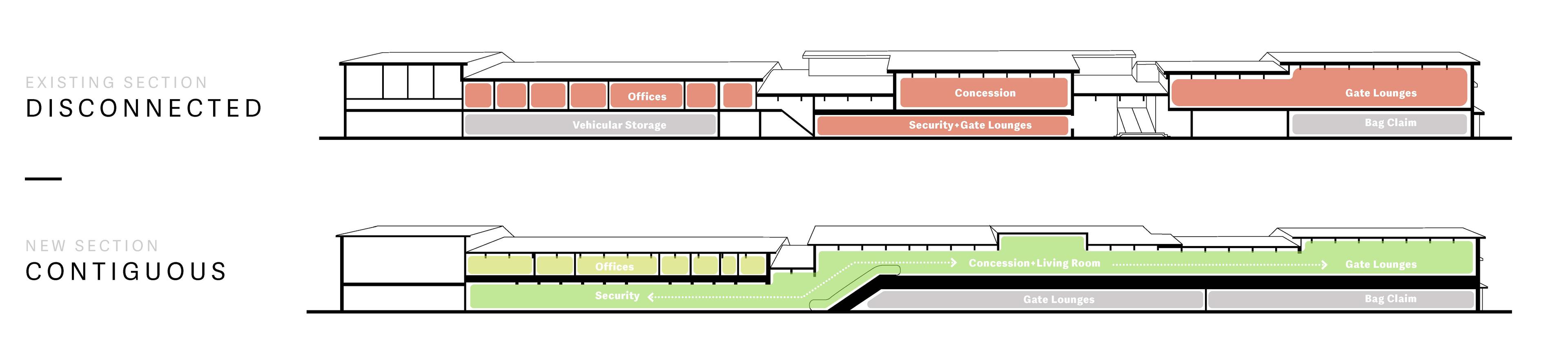
The design team began with value already embedded in the existing terminal and used renovation, rather than replacement, to meet program needs and improve performance. The building was stripped to the studs, re-insulated, re-clad, and reorganized into contiguous passenger space that improves flow and wayfinding. Local artists and fabricators helped shape the experience through a handcrafted log wall, a 100-foot topographic stair installation, and environmental graphics that connect the airport to Gunnison and Crested Butte.
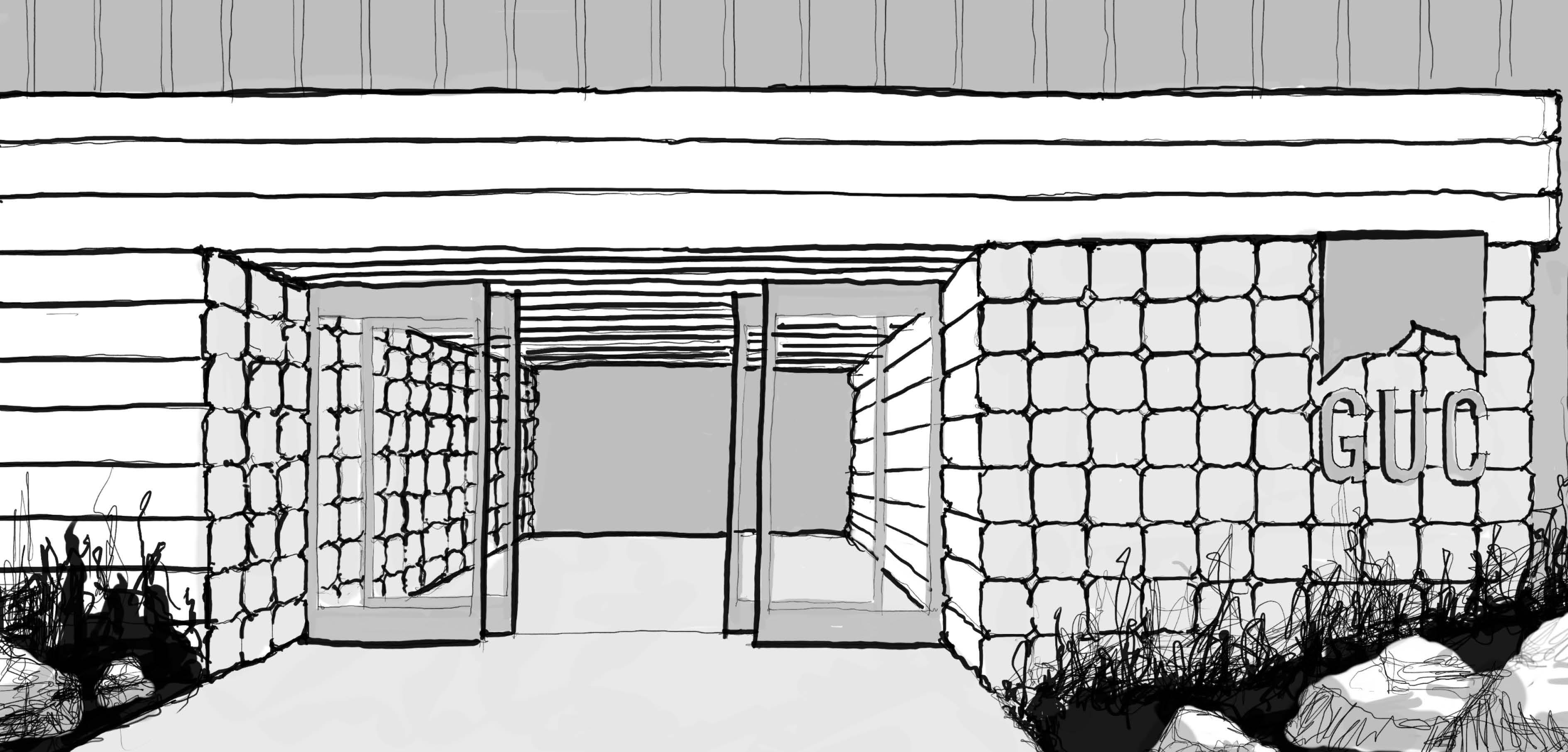
Entry Sketch
A locally fabricated timber framed entry wall greets passengers into the terminal, introducing warmth and texture into the passenger experience.
Impact
Gunnison-Crested Butte Regional Airport is designed to accommodate passenger growth over the next 20 years.
Offering tranquil and dynamic experiences for visitors, the project extends the vacation feel while supporting local businesses, creating jobs, and reducing long-term operating costs through sustainable strategies.
![[NEEDS INPUT: alt text]](https://cdn.sanity.io/images/iexz7ctt/development/991d94d5b642391ec8f1aa4faf665f275dabef90-5491x7605.jpg?w=3840&q=75&auto=format&fit=max)
What Changed Because of This
01
Designed for Long-Term Performance
Envelope upgrades, geothermal systems, and on-site solar support net-zero energy performance and will reduce Gunnison County's operating expenses for decades.
02
A More Intuitive Experience
Reconfigured spaces turn disconnected areas into contiguous passenger zones, improving wayfinding and the overall journey while adding a locally-owned restaurant, bar, and curated seating.
03
Celebrating Local Identity
A handcrafted log wall, locally developed art installations, and place-based branding give the terminal a distinct character rooted in Gunnison and Crested Butte.
GUC sets the industry standard for what a regional airport can be for a community. It reflects its people, is highly functional, and respects the environment with its net zero building systems.
Recognition
The Chicago Atheneam Museum of Architecture and Design
IIDA Rocky Mountain Chapter
AIA Colorado Chapter
Team
Project Leadership

FAQ
How can airports create better passenger experiences?
How was net zero achieved at GUC?
How does GUC reflect sense of place?
How can design support both efficiency and exploration?
Related Content


![[NEEDS INPUT: alt text]](https://cdn.sanity.io/images/iexz7ctt/development/2a6ff8d6303ceb021442ddb60d506a2f9c63303d-8688x5792.tif)