

Overview
A living example of regenerative design, this highly collaborative project establishes a thriving Australian native forest that supports a wild koala breeding program.
![[NEEDS INPUT: alt text]](https://cdn.sanity.io/images/iexz7ctt/development/8e60a4b43878b73a910e0bd48e57932c4e4d177c-6720x4480.jpg?w=3840&q=75&auto=format&fit=max)
![[NEEDS INPUT: alt text]](https://cdn.sanity.io/images/iexz7ctt/development/f2bba4eab5634a10f67cf36f49dd770647fd36e2-5472x3648.jpg?w=3840&q=75&auto=format&fit=max)
![[NEEDS INPUT: alt text]](https://cdn.sanity.io/images/iexz7ctt/development/08b16cff083d63784a569880aebc933fb4d6ad8e-4480x6720.jpg?w=3840&q=75&auto=format&fit=max)
![[NEEDS INPUT: alt text]](https://cdn.sanity.io/images/iexz7ctt/development/328e5459fa81011a8cd02b043a0952fee06f9249-4480x6720.jpg?w=3840&q=75&auto=format&fit=max)
![[NEEDS INPUT: alt text]](https://cdn.sanity.io/images/iexz7ctt/development/8da8d9d45acf750b6cf0aa2d5cb7ba753be5e1c9-6720x4480.jpg?w=3840&q=75&auto=format&fit=max)
![[NEEDS INPUT: alt text]](https://cdn.sanity.io/images/iexz7ctt/development/6d60dc04d8d24eef3fbe5628367a9b86dd47df67-6720x4480.jpg?w=3840&q=75&auto=format&fit=max)
![[NEEDS INPUT: alt text]](https://cdn.sanity.io/images/iexz7ctt/development/4cda889066a665a2edbf2b089d676640b6c64a38-5472x3648.jpg?w=3840&q=75&auto=format&fit=max)
![[NEEDS INPUT: alt text]](https://cdn.sanity.io/images/iexz7ctt/development/a01a65588f7ac7f062097974c98b80d7bbaa6737-934x1400.jpg?w=3840&q=75&auto=format&fit=max)
![[NEEDS INPUT: alt text]](https://cdn.sanity.io/images/iexz7ctt/development/12d8d7a9f5a1bc55ed33ed12264a3623d2aa0346-1400x933.jpg?w=3840&q=75&auto=format&fit=max)
![[NEEDS INPUT: alt text]](https://cdn.sanity.io/images/iexz7ctt/development/bae4d37dcf081cee908bb24b187be5514dee3aa4-2000x1333.jpg?w=3840&q=75&auto=format&fit=max)
![[NEEDS INPUT: alt text]](https://cdn.sanity.io/images/iexz7ctt/development/2cb4fb5be5c6cc8643d1d985b64b46116bcabe6d-2000x1334.jpg?w=3840&q=75&auto=format&fit=max)
Opportunity
When the Black Summer Bushfires threatened koalas’ survival, Forestry Corporation NSW turned to Gensler to reimagine the land, one rooted in wildlife protection and cultural stewardship.
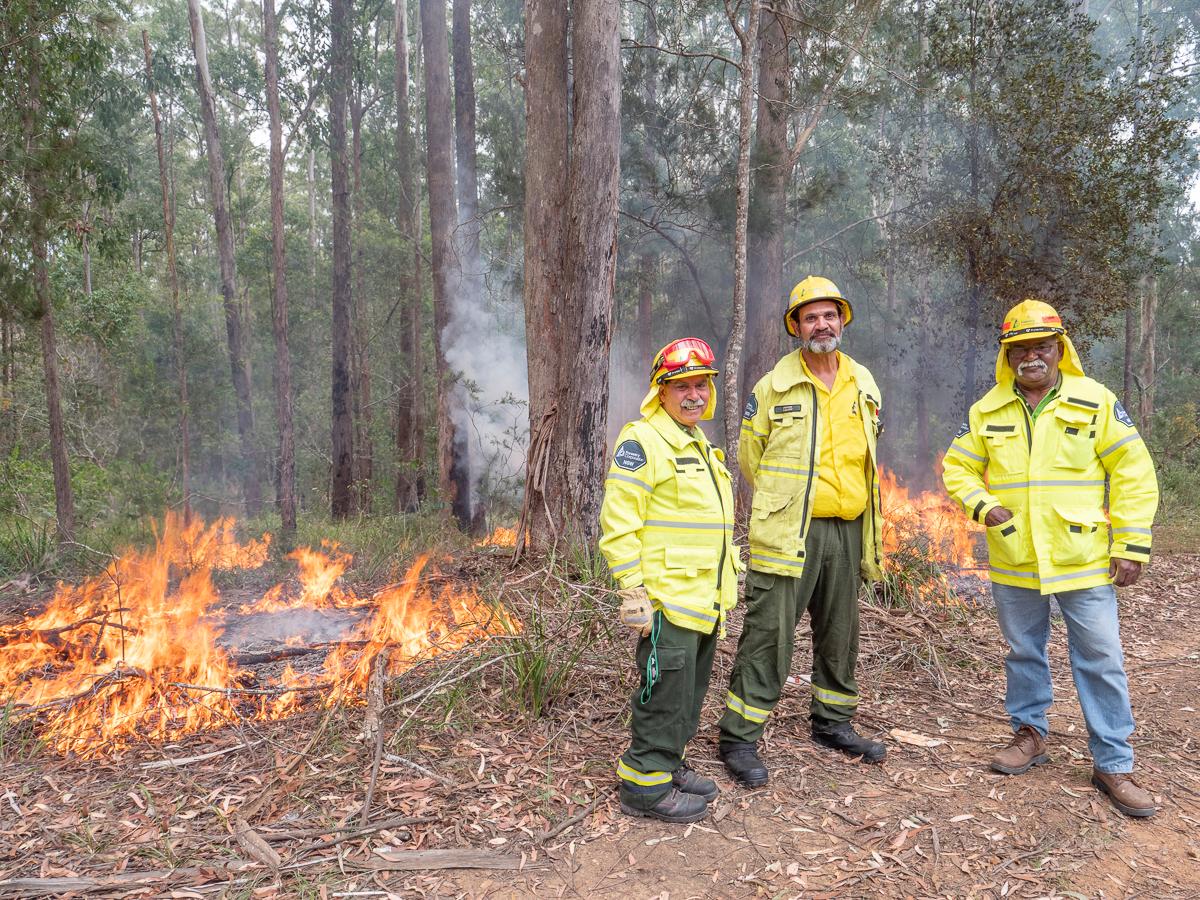
Working alongside Forestry Corporation NSW and the Bunyah Local Aboriginal Land Council, Gensler designed Guulabaa (Place of Koala), a visitor experience in Cowarra State Forest that pairs Indigenous knowledge with contemporary science to regenerate native ecosystems and support koala breeding. Four elevated decks, a café and gallery run by the Bunyah LALC, and an educational amphitheatre anchor the design. Built using Design for Manufacturing and Assembly, local hardwoods, and traditional cultural burn practices, the project reflects a genuinely local, sustainable model for ecotourism, one shaped as much by Country as by architecture.
More about this topic

Why This Matters
01
Protecting a Native Icon
Guulabaa directly supports koala survival through active breeding and habitat regeneration. In a species pushed toward extinction by the Black Summer Bushfires, this project turns a visitor destination into genuine conservation infrastructure.
02
Empowering First Nations
The Bunyah Local Aboriginal Land Council co-designed and now operates key parts of Guulabaa, from the café to the gallery. This creates lasting economic opportunity while embedding Indigenous knowledge at the project’s core.
03
A New Model for Design
Guulabaa proves architecture can do more than shelter, it can heal. By uniting cultural burn practices with contemporary science, the project sets a precedent for design as an act of regeneration.
Guulabaa is about more than protecting koalas. It brings people together, across generations, cultures, and disciplines to care for Country and build a shared future where nature and community thrive.
Solution
The solution was to let the forest lead. Elevated, DfMA-built decks tread lightly on Country, merging cultural burn practices with regenerative, contemporary design.
Four elevated decks lift visitors above the forest floor, protecting fragile habitat while creating uninterrupted sightlines into the koala breeding program below. Built using Design for Manufacturing and Assembly, the structures combine local hardwoods with prefabricated efficiency, minimising construction impact. A café and gallery, operated by the Bunyah Local Aboriginal Land Council, and an educational amphitheatre extend the experience beyond observation into cultural exchange. Woven throughout, traditional cultural burn practices guide the forest’s regeneration, ensuring the design responds to the land rather than imposing on it.
![[NEEDS INPUT: alt text]](https://cdn.sanity.io/images/iexz7ctt/development/86ca557853e4d892a4d1f0448b6cde7863d75590-6720x4480.jpg?w=3840&q=75&auto=format&fit=max)
![[NEEDS INPUT: alt text]](https://cdn.sanity.io/images/iexz7ctt/development/2c97ead9d21594154d5ce16ba2b690d1b1a86349-4032x3024.jpg?w=3840&q=75&auto=format&fit=max)
![[NEEDS INPUT: alt text]](https://cdn.sanity.io/images/iexz7ctt/development/7fa396c835771730dda3426c22e246f09dc8c9c7-6720x4480.jpg?w=3840&q=75&auto=format&fit=max)
![[NEEDS INPUT: alt text]](https://cdn.sanity.io/images/iexz7ctt/development/6cc10bc50425ae1de8eec88f3980e59e8576df2b-5464x8192.jpg?w=3840&q=75&auto=format&fit=max)
![[NEEDS INPUT: alt text]](https://cdn.sanity.io/images/iexz7ctt/development/01b6f09a033f0bd6efdc8645be4304752a8c4edf-3392x5088.jpg?w=3840&q=75&auto=format&fit=max)
Related Content
25
Site Size · hectares
World’s first purpose-built wild koala breeding and rehabilitation facility
World First
From brief to build: how a koala breeding facility grew from bushfire recovery into a model for regenerative, First Nations-centric design.
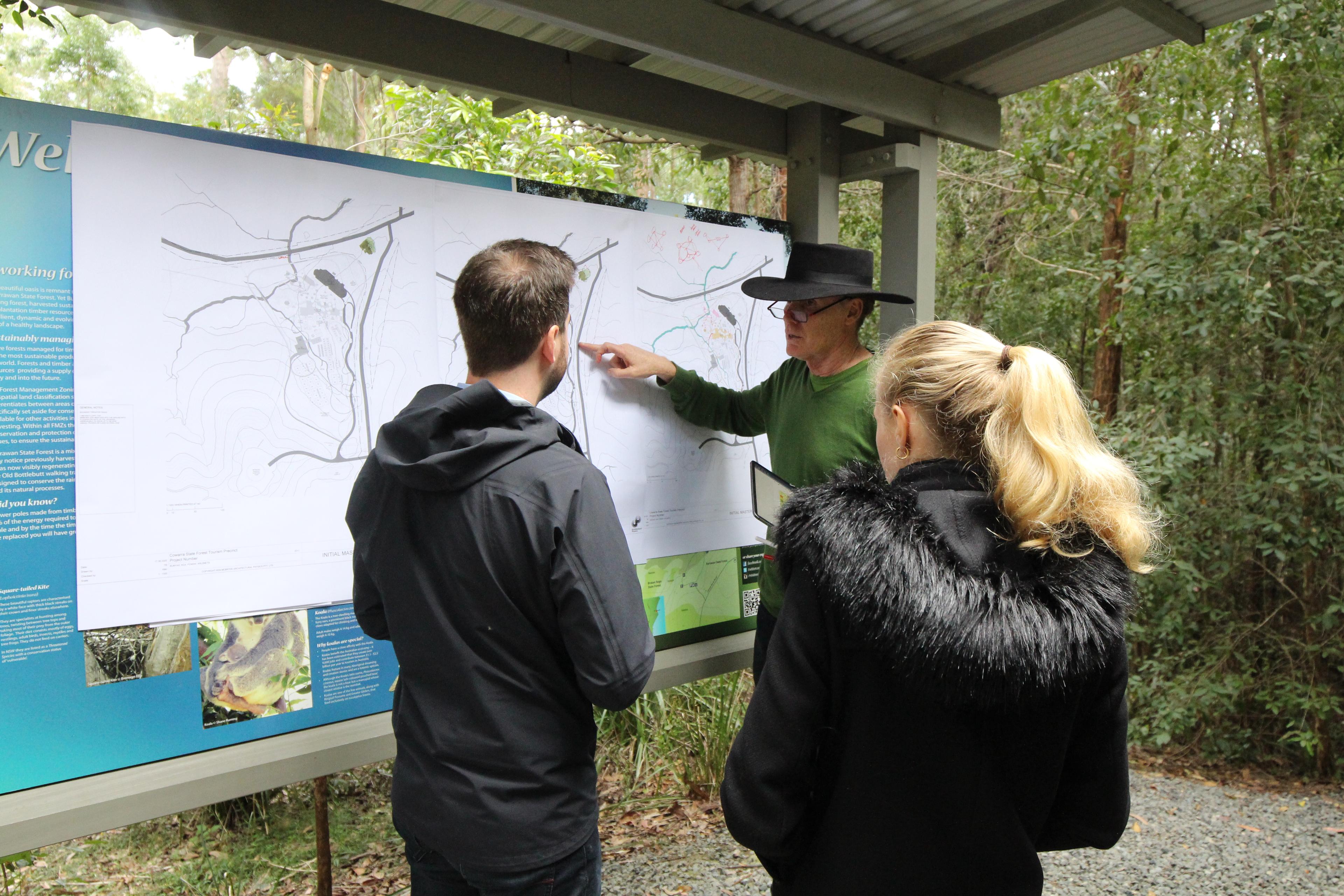
Realising Guulabaa meant designing collaboratively from day one. Gensler worked alongside Forestry Corporation NSW and the Bunyah Local Aboriginal Land Council to embed Indigenous knowledge into every stage, from site selection to material choice. Off-site prefabrication using Design for Manufacturing and Assembly reduced disruption to the forest floor, while research into cultural burn practices shaped the ecological strategy. Early concept work focused on how elevated structures could observe wildlife without disturbing it, a constraint that ultimately defined the project’s signature move: building above the land rather than into it.
Elevated Deck Concept
Early sketches explored how raised platforms could give visitors sightlines into the koala program without disturbing sensitive breeding areas below.
Impact
Guulabaa now stands as proof: when design listens to Country, the result protects wildlife, empowers community, and regenerates land itself.
Koalas now breed in a habitat built to support them, while the Bunyah LALC leads visitor experiences that turn conservation into cultural exchange and economic opportunity.
![[NEEDS INPUT: alt text]](https://cdn.sanity.io/images/iexz7ctt/development/2103259ff17042ddf848636f8b3ee60693a820f9-2000x1333.jpg?w=3840&q=75&auto=format&fit=max)
What Changed Because of This
01
Species Survival
The koala breeding program now operates within a habitat purpose-built for regeneration, directly countering the species decline accelerated by the Black Summer Bushfires.
02
Cultural Leadership
The Bunyah Local Aboriginal Land Council operates the café, gallery, and cultural programming, generating lasting economic opportunity and Indigenous-led storytelling on Country.
03
Ecological Regeneration
Cultural burn practices, paired with contemporary land management, are actively restoring native forest health across Cowarra State Forest around the site.
Guulabaa challenged us to rethink what regenerative architecture should be. It’s not about making a bold statement, but about designing with care, deep listening, and respect for Country.
Recognition
Sydney Morning Herald
Architecture & Design
Port Macquarie News of the Area
FAQ
Where is Guulabaa located, and what does its name mean?
Who designed and delivered the project?
What is Guulabaa used for?
How does the project support First Nations communities?
What makes the design approach unique?
Why is this project significant for conservation?
Related Content
![[NEEDS INPUT: alt text]](https://cdn.sanity.io/images/iexz7ctt/development/f57f03523d349b947041ae32cb5f81b691686ee0-5120x2779.jpg?w=3840&q=75&auto=format&fit=max)
![[NEEDS INPUT: alt text]](https://cdn.sanity.io/images/iexz7ctt/development/b75fd7882d37faa7d64062e6171d799bc172ab1e-5872x3914.jpg?w=3840&q=75&auto=format&fit=max)