

![[NEEDS INPUT: alt text]](https://cdn.sanity.io/images/iexz7ctt/development/f57f03523d349b947041ae32cb5f81b691686ee0-5120x2779.jpg?w=3840&q=75&auto=format&fit=max)
Overview
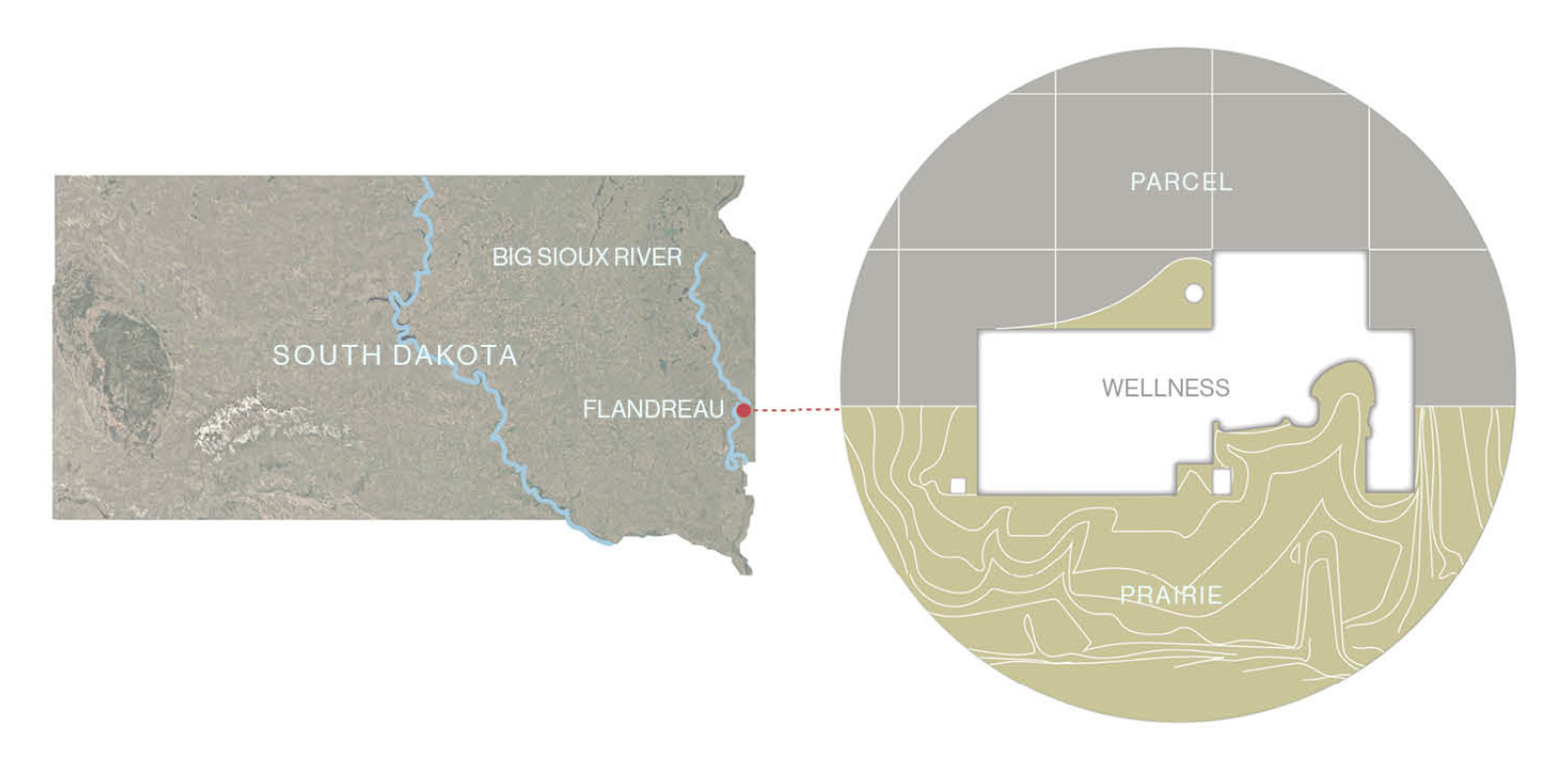
The Flandreau Santee Sioux Tribal Wellness Center brings health, culture, movement, and community together in a Dakota-grounded destination for intergenerational wellbeing.
![[NEEDS INPUT: alt text]](https://cdn.sanity.io/images/iexz7ctt/development/4075459beae38de7eab4c0093693b28bf621686a-5120x2880.jpg?w=3840&q=75&auto=format&fit=max)
![[NEEDS INPUT: alt text]](https://cdn.sanity.io/images/iexz7ctt/development/62ba0377b397df8218b1186a098e5fe612589765-4048x5120.jpg?w=3840&q=75&auto=format&fit=max)
![[NEEDS INPUT: alt text]](https://cdn.sanity.io/images/iexz7ctt/development/350433fb1cf05949a07e0e2181ef8114bbbba4dc-5120x2880.jpg?w=3840&q=75&auto=format&fit=max)
![[NEEDS INPUT: alt text]](https://cdn.sanity.io/images/iexz7ctt/development/b65aac9e704edd1f4f3a63764d7ee7956f4748c3-5120x3200.jpg?w=3840&q=75&auto=format&fit=max)
![[NEEDS INPUT: alt text]](https://cdn.sanity.io/images/iexz7ctt/development/9b94b12cea80647d17bea80eda5511e8a722d7e4-5120x3939.jpg?w=3840&q=75&auto=format&fit=max)
![[NEEDS INPUT: alt text]](https://cdn.sanity.io/images/iexz7ctt/development/3c731b7f916be8a775137f2d2b43dc04ae944d64-5120x2560.jpg?w=3840&q=75&auto=format&fit=max)
Opportunity
To meet evolving community needs, the Tribe envisioned a wellness center where care, culture, recreation, and belonging could work as one.
Wellness is most powerful when it is connected, but care is often divided across separate services, spaces, and systems. For the Flandreau Santee Sioux Tribe, the opportunity was to create a place that could support physical health, behavioral health, cultural continuity, daily movement, and community gathering in one accessible environment. Building on the legacy of an existing community center, the project offered a chance to transform a familiar place into a holistic setting rooted in Dakota identity, reciprocity, and long-term resilience.
More about this topic

![[NEEDS INPUT: alt text]](https://cdn.sanity.io/images/iexz7ctt/development/cd502dd63dce557f629f62b90f3504ef0d850151-5120x3200.jpg?w=3840&q=75&auto=format&fit=max)
Why This Matters
01
Wellness Beyond Healthcare
The center shows how wellness can extend beyond clinical services to include movement, culture, ecology, food, ceremony, and relationships as essential dimensions of care.
02
Place-Based Community Design
Fitness, social wellness, behavioral health, recreation, and cultural programming are brought together in a single accessible location.
03
A Replicable Framework
The project offers a model for communities seeking to connect health, culture, sustainability, and belonging in ways that are specific, meaningful, and enduring.
I think it’s important we create a space for people to just live a healthier lifestyle.
Solution
A connected, one-level environment organizes wellness around culture and landscape while creating everyday access to care, movement, ceremony, and gathering.
The design reimagines wellness through the Dakota understanding of wicozani: balance among body, mind, spirit, community, and the living world. Renovated and expanded spaces bring together fitness, physical therapy, behavioral health, education, ceremony, language learning, and gathering under one roof. Natural light, authentic materials, native plantings, and views to the landscape reinforce connection to place, while solar and geothermal systems support energy independence and a deeper ethic of stewardship.
![[NEEDS INPUT: alt text]](https://cdn.sanity.io/images/iexz7ctt/development/f82a270639efb5ffa310102a2b0ae95d868986c5-5120x2880.jpg?w=3840&q=75&auto=format&fit=max)
![[NEEDS INPUT: alt text]](https://cdn.sanity.io/images/iexz7ctt/development/fc117967d2bccda0f8f2ccd78e1e819797228c8a-5120x2880.jpg?w=3840&q=75&auto=format&fit=max)
![[NEEDS INPUT: alt text]](https://cdn.sanity.io/images/iexz7ctt/development/5fec76caf95aa723b6a44534429a3556c4cef6af-5120x3200.jpg?w=3840&q=75&auto=format&fit=max)
![[NEEDS INPUT: alt text]](https://cdn.sanity.io/images/iexz7ctt/development/64ac20ca6b7559497042ce61bc19307434875180-4608x5120.jpg?w=3840&q=75&auto=format&fit=max)
![[NEEDS INPUT: alt text]](https://cdn.sanity.io/images/iexz7ctt/development/b47f216c140b699036914276bd7234ba0abed155-5120x2923.jpg?w=3840&q=75&auto=format&fit=max)
Related Content
300
Well geothermal system supporting renewable heating and cooling
4
Gymnasiums planned for recreation, tournaments, and community use
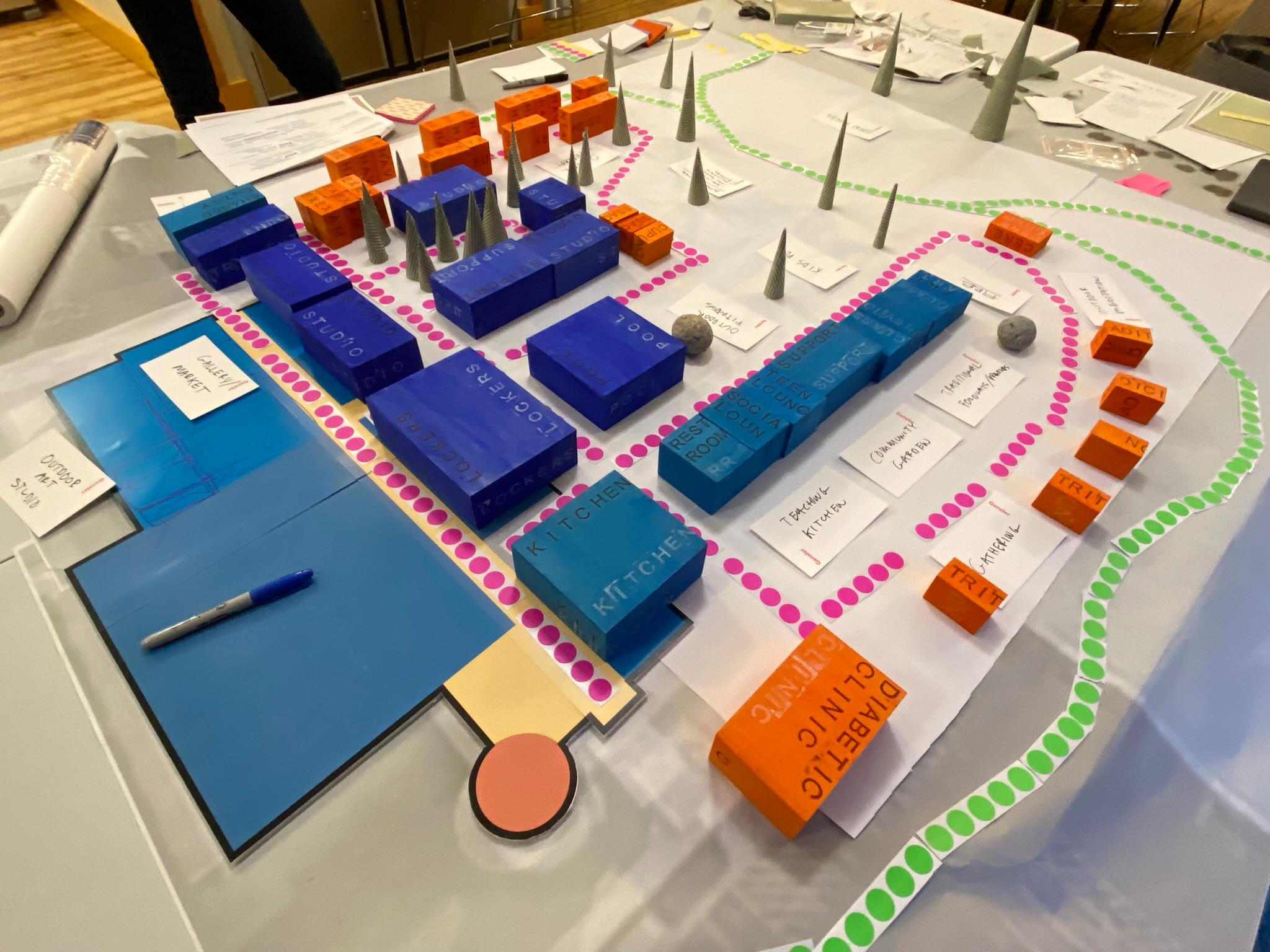
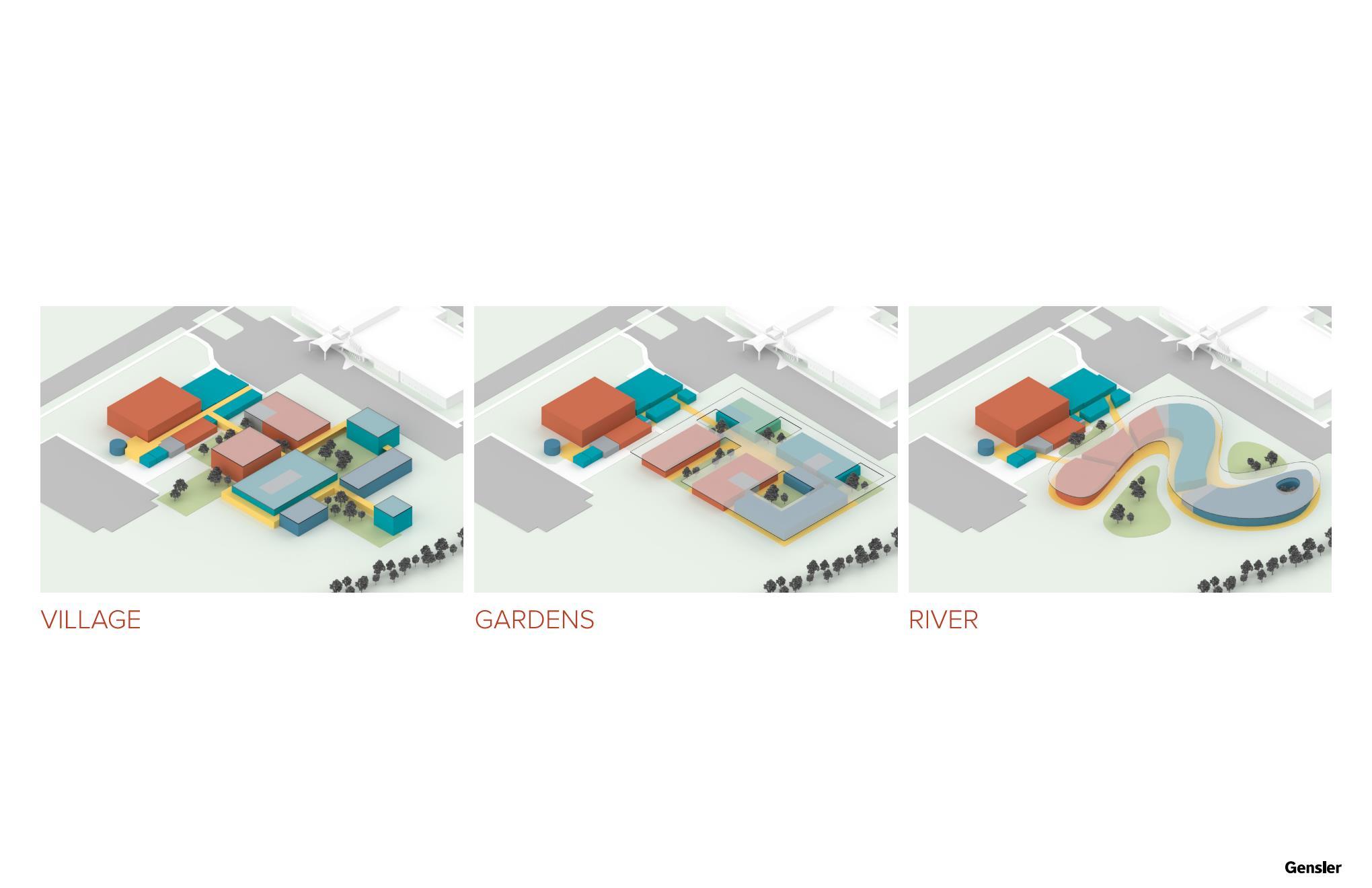
The project’s process began with listening, honoring the site’s legacy, and translating Dakota values into a connected wellness environment.
Rather than erase the history of the existing community center, the design carries its legacy forward. The process began with the understanding that this place already held generations of memories: meals, ceremonies, movement, education, celebration, and healing. From that foundation, the team shaped an expanded wellness environment that reconnects people to land, culture, and one another. Curved forms, daylight strategies, native gardens, cultural rooms, and accessible one-level planning turn design thinking into a lived experience of renewal.
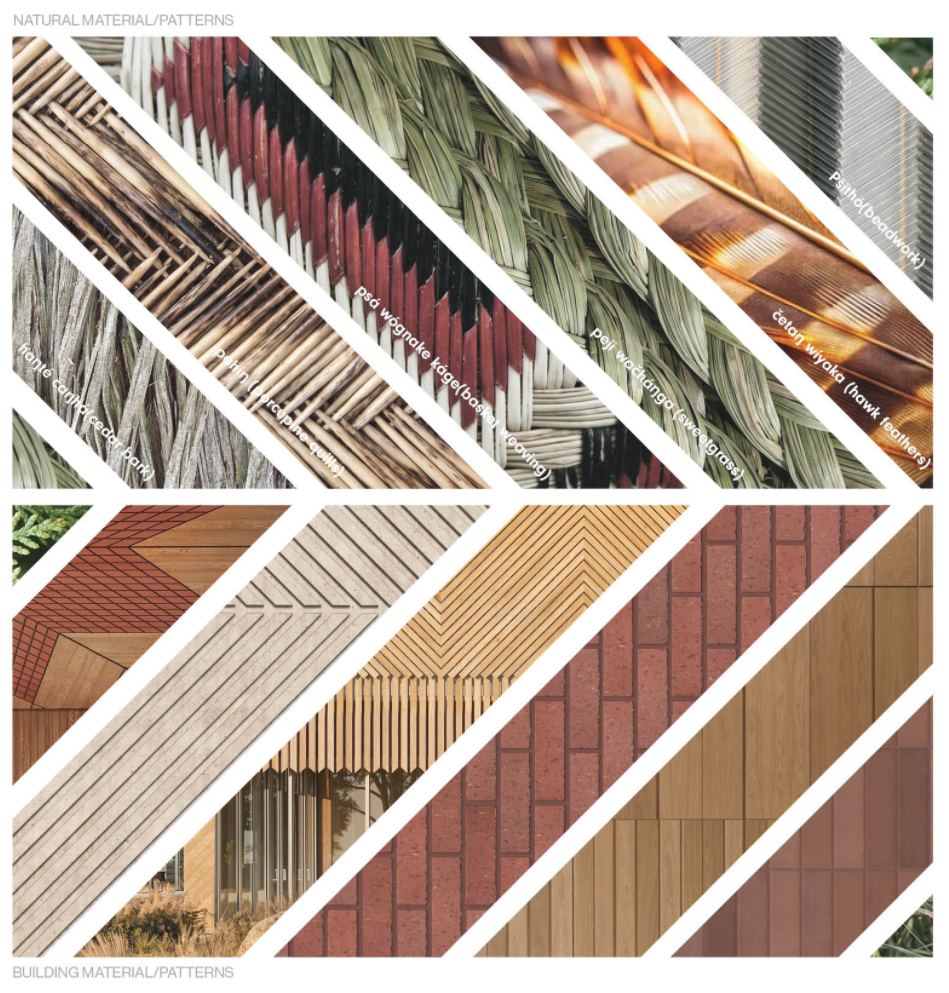

Material Palette
Colors and patterns were derived from local indigenous interpretations of the natural world.
Impact
A renewed community destination supports daily well-being while strengthening cultural continuity, connection to land, and intergenerational resilience.
The design expands access to coordinated wellness services while creating new places for connection, cultural learning, ceremony, fitness, and daily restoration.
![[NEEDS INPUT: alt text]](https://cdn.sanity.io/images/iexz7ctt/development/422772dc586a0d9554dfe2154cd3d9153bdae107-3840x2160.png?w=3840&q=75&auto=format&fit=max)
What Changed Because of This
01
Integrated Care
Health, therapy, behavioral support, fitness, and gathering spaces are brought together, making wellness more accessible, continuous, and connected to daily community life.
02
Cultural Continuity
Spaces for ceremony, language learning, community meals, and intergenerational gathering help sustain Dakota identity while creating room for future stories to grow.
03
Regenerative Systems
Native landscapes, healing gardens, solar infrastructure, and geothermal systems support a broader vision of wellness that includes land, energy, stewardship, and reciprocity.
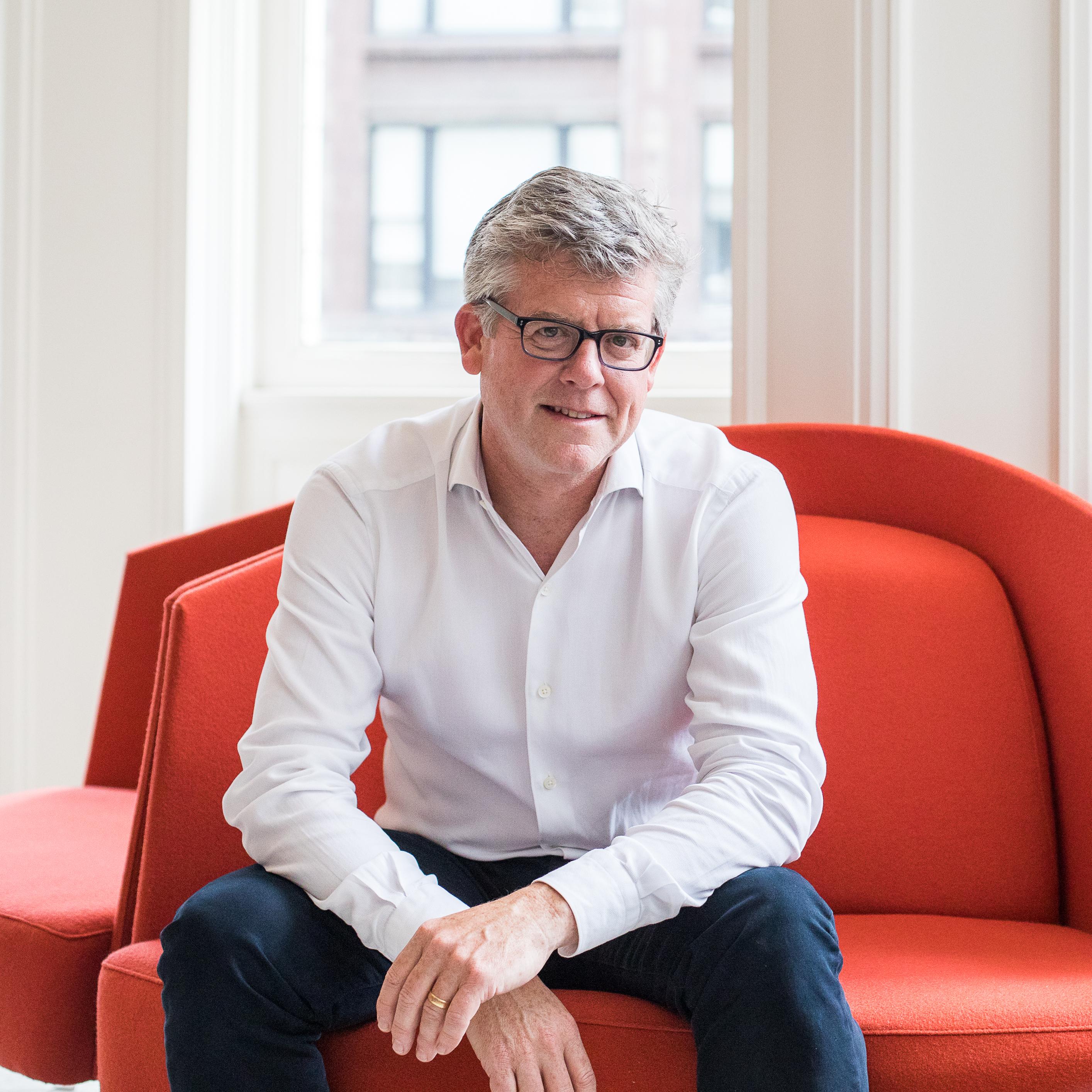
An Elder shared that they measure the value of something by how well it supports life,” Baxley noted. “From that moment on, ‘supporting life’ became the guiding principle behind every design decision we made.
Recognition
Architect’s Newspaper
Team
Project Leadership
FAQ
What is the Flandreau Santee Sioux Tribal Wellness Center?
What makes the wellness center’s design unique?
How does the project support holistic wellness?
How does the project incorporate sustainability?
Why is cultural continuity important to the project?
Related Content
![[NEEDS INPUT: alt text]](https://cdn.sanity.io/images/iexz7ctt/development/aebb22b6153798c700f0374e61079511c8a397de-5769x3765.tif)
![[NEEDS INPUT: alt text]](https://cdn.sanity.io/images/iexz7ctt/development/f705c25f08168a9d482ac0c8abed2e8748997e5e-2400x1420.jpg?w=3840&q=75&auto=format&fit=max)