
![[NEEDS INPUT: alt text]](https://cdn.sanity.io/images/iexz7ctt/development/5aaf29343d591c92ddda8e89ae50d595e00c8436-7008x4672.png?w=3840&q=75&auto=format&fit=max)
Overview
The Mexican Football Federation's reimagined High-Performance Center creates a world-class campus where performance, well-being, and national identity shape the future of Mexican soccer.
![[NEEDS INPUT: alt text]](https://cdn.sanity.io/images/iexz7ctt/development/59e56f0c14af65e4912fe395b854ce6b7cd16279-4533x3400.jpg?w=3840&q=75&auto=format&fit=max)
![[NEEDS INPUT: alt text]](https://cdn.sanity.io/images/iexz7ctt/development/001e9188f06c27fb87c2c296629a9a58cc311c33-7004x4682.jpg?w=3840&q=75&auto=format&fit=max)
![[NEEDS INPUT: alt text]](https://cdn.sanity.io/images/iexz7ctt/development/8a0be65e42da5de98429ef292bfadb236dc23b18-7010x4675.png?w=3840&q=75&auto=format&fit=max)
![[NEEDS INPUT: alt text]](https://cdn.sanity.io/images/iexz7ctt/development/34d7f442f56e28952cfba65e53717cd651374f7f-5100x3330.jpg?w=3840&q=75&auto=format&fit=max)
![[NEEDS INPUT: alt text]](https://cdn.sanity.io/images/iexz7ctt/development/8aaf55a532f8412803b308e655d1f5bb3e7df6db-5100x3400.jpg?w=3840&q=75&auto=format&fit=max)
![[NEEDS INPUT: alt text]](https://cdn.sanity.io/images/iexz7ctt/development/6465c0c7f3b32c541960631cf270b128b4fbdaf4-8064x6048.png?w=3840&q=75&auto=format&fit=max)
![[NEEDS INPUT: alt text]](https://cdn.sanity.io/images/iexz7ctt/development/4164fcde866faee43f8996e715022c9e22b9796d-5100x3400.jpg?w=3840&q=75&auto=format&fit=max)
Opportunity
Ahead of the 2026 FIFA World Cup, the Federation sought a high-performance campus capable of supporting the next generation of Mexican soccer.
As Mexico prepared to co-host the 2026 FIFA World Cup, the Mexican Football Federation recognized the need for a training environment that reflected its long-term sporting ambitions. The existing High-Performance Center had evolved over time, resulting in fragmented facilities that no longer supported the operational, physical, and emotional demands of elite athletes. The opportunity was to transform the campus into an integrated destination where performance, recovery, innovation, and team culture work together to prepare men's and women's national teams for sustained international success.

Why This Matters
01
Building Competitive Excellence
A purpose-built performance environment gives athletes and staff the resources needed to compete at the highest international level.
02
Supporting the Whole Athlete
Training, recovery, nutrition, mental health, and daily life are integrated into a single ecosystem that prioritizes long-term well-being.
03
Strengthening National Identity
The campus reinforces the pride and responsibility of representing Mexico, creating an environment that inspires commitment on and off the field.
Gensler demonstrated strong commitment, adaptability, and a deep understanding of our needs. There were budget challenges and adjustments, but they consistently found solutions.
Solution
An integrated campus reorganizes training, recovery, living, and operational spaces into a seamless, high-performance environment designed around the athlete's experience.
The master plan transformed the existing campus into a cohesive performance ecosystem where architecture supports every stage of an athlete's daily routine. Strategic zoning separates public and private functions while strengthening connections between training fields, recovery facilities, accommodations, dining, and administrative spaces. Modernized sports science areas, including physiotherapy, hydrotherapy, nutrition, psychology, and lactation facilities, promote holistic well-being. Sustainable strategies, including natural daylight, cross ventilation, terraces, and solar energy, improve environmental performance while creating healthier spaces for athletes and staff.
![[NEEDS INPUT: alt text]](https://cdn.sanity.io/images/iexz7ctt/development/6ce1dd55e157bf89a3a390f3c727ee05d8619876-7008x4672.jpg?w=3840&q=75&auto=format&fit=max)
![[NEEDS INPUT: alt text]](https://cdn.sanity.io/images/iexz7ctt/development/63feacd1d4f4febd26691a8cfd882dae813a938a-7008x4672.jpg?w=3840&q=75&auto=format&fit=max)
![[NEEDS INPUT: alt text]](https://cdn.sanity.io/images/iexz7ctt/development/582dd8256368b8130b65f15bb8ac56299967e07f-4681x7022.jpg?w=3840&q=75&auto=format&fit=max)
![[NEEDS INPUT: alt text]](https://cdn.sanity.io/images/iexz7ctt/development/f90ef04a1d6ef9b92fbea93715fac4f29154dffe-5100x3400.jpg?w=3840&q=75&auto=format&fit=max)
![[NEEDS INPUT: alt text]](https://cdn.sanity.io/images/iexz7ctt/development/feb59a901519a8df776aceb5ff7139563c0fc719-5100x3113.jpg?w=3840&q=75&auto=format&fit=max)
Related Content
Campus modernization and expansion
Project scope
Men's and women's senior and youth national teams
Users
Solar panels, natural daylight, cross ventilation
Sustainability strategies
From brief to build: transforming an aging sports complex into an integrated campus designed around performance, recovery, and national pride.
The design process began by mapping the daily journeys of athletes, coaches, and support staff to identify opportunities for greater efficiency and connection. Rather than replacing the campus, the strategy maximized existing infrastructure while introducing targeted interventions that improve functionality and athlete experience. Architectural planning, interior design, and operational strategies were developed together to create intuitive circulation, strengthen relationships between training and recovery, and embed the Federation's identity throughout the campus.
Impact
The renewed High-Performance Center positions Mexican soccer for the future by strengthening athlete performance, operational excellence, and long-term competitive success.
An integrated, athlete-centered campus creates the conditions for elite performance while supporting the Federation's vision for future generations of national teams.
![[NEEDS INPUT: alt text]](https://cdn.sanity.io/images/iexz7ctt/development/3f119af54baaa8b76a6dd0b1752e21e76d5f2eeb-5077x3400.jpg?w=3840&q=75&auto=format&fit=max)
What Changed Because of This
01
Athlete Experience
Integrated facilities streamline daily routines, allowing players to focus on training, recovery, and performance within a cohesive environment.
02
Operational Performance
Connected spaces improve coordination between athletes, coaches, and multidisciplinary support teams, increasing efficiency across the campus.
03
Future of Mexican Soccer
The High-Performance Center establishes a lasting foundation for developing talent and preparing national teams to compete on the global stage.
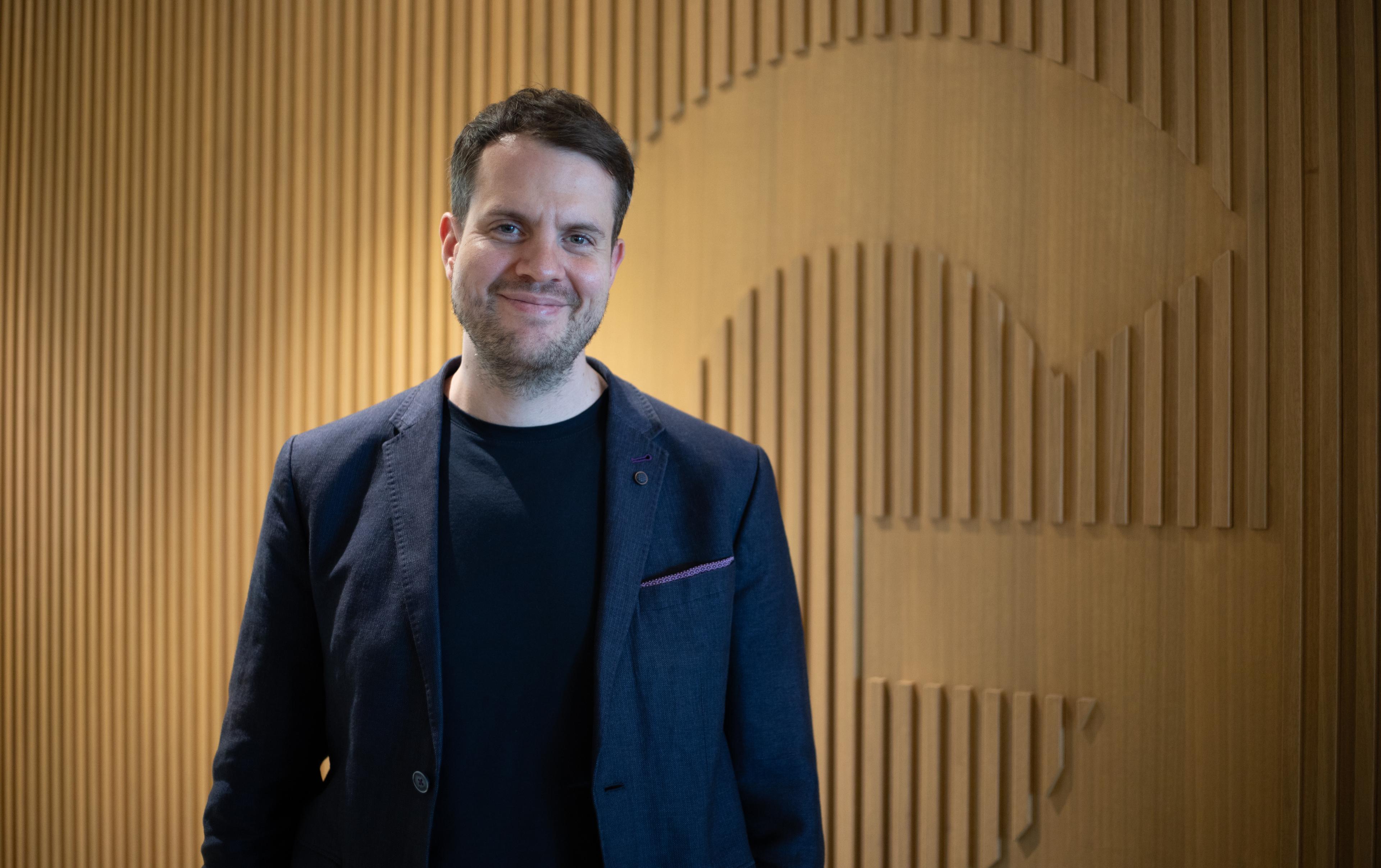
We hope it inspires clubs and federations to invest more strategically in infrastructure. Architecture can become a driver of sports development and a generator of institutional value.
Recognition
Architectural Digest México y Latinoamérica
ArchDaily
El Financiero
Team
Project Leadership

FAQ
What defines a high-performance sports campus?
Why is an integrated campus important for elite athlete development?
What role does design play in supporting athlete performance and well-being?
How can an existing sports campus be modernized without starting from scratch?
How can design strengthen culture and identity within a national training center?
How can a high-performance sports campus remain adaptable to future needs?
Related Content
![[NEEDS INPUT: alt text]](https://cdn.sanity.io/images/iexz7ctt/development/ba75d88d27d14fe5bae7300bfdfdf9d03bfe7758-4800x3400.jpg?w=3840&q=75&auto=format&fit=max)

![[NEEDS INPUT: alt text]](https://cdn.sanity.io/images/iexz7ctt/development/28fa20b814533f0067a00f6d519f0452b5e5e75b-5118x2879.jpg?w=3840&q=75&auto=format&fit=max)