

![[NEEDS INPUT: alt text]](https://cdn.sanity.io/images/iexz7ctt/development/75002a363e4fe777f25f59387401bb4077788d3d-6000x3349.jpg?w=3840&q=75&auto=format&fit=max)
Overview
A retired coal-fired power plant is reimagined as a national model for turning obsolete energy infrastructure into a resilient waterfront district.
![[NEEDS INPUT: alt text]](https://cdn.sanity.io/images/iexz7ctt/development/ed378f27c00c18493299ed35380e1ec9a78e9d4f-3400x2200.jpg?w=3840&q=75&auto=format&fit=max)
![[NEEDS INPUT: alt text]](https://cdn.sanity.io/images/iexz7ctt/development/0fcb14e35146ce84ad5a7742072cfbcf68840bc9-4573x2959.jpg?w=3840&q=75&auto=format&fit=max)
![[NEEDS INPUT: alt text]](https://cdn.sanity.io/images/iexz7ctt/development/6ffbb548c7f1a6448f3fcfce8a2c2ca0bb7a7a74-2752x1536.jpg?w=3840&q=75&auto=format&fit=max)
![[NEEDS INPUT: alt text]](https://cdn.sanity.io/images/iexz7ctt/development/7282f42ba34aa6e211918d164c3ceed69285e557-6000x2976.jpg?w=3840&q=75&auto=format&fit=max)
![[NEEDS INPUT: alt text]](https://cdn.sanity.io/images/iexz7ctt/development/07ff54ddd85a3904deafbf3746d54d2928c224e0-5100x3300.jpg?w=3840&q=75&auto=format&fit=max)
![[NEEDS INPUT: alt text]](https://cdn.sanity.io/images/iexz7ctt/development/1e64d45e43789f6f0485201a178461bab8e6eae7-3200x1800.jpg?w=3840&q=75&auto=format&fit=max)
Opportunity
The closure of a century-old power plant created a once-in-a-generation opportunity to reconnect Avon Lake to its waterfront and redefine its future.
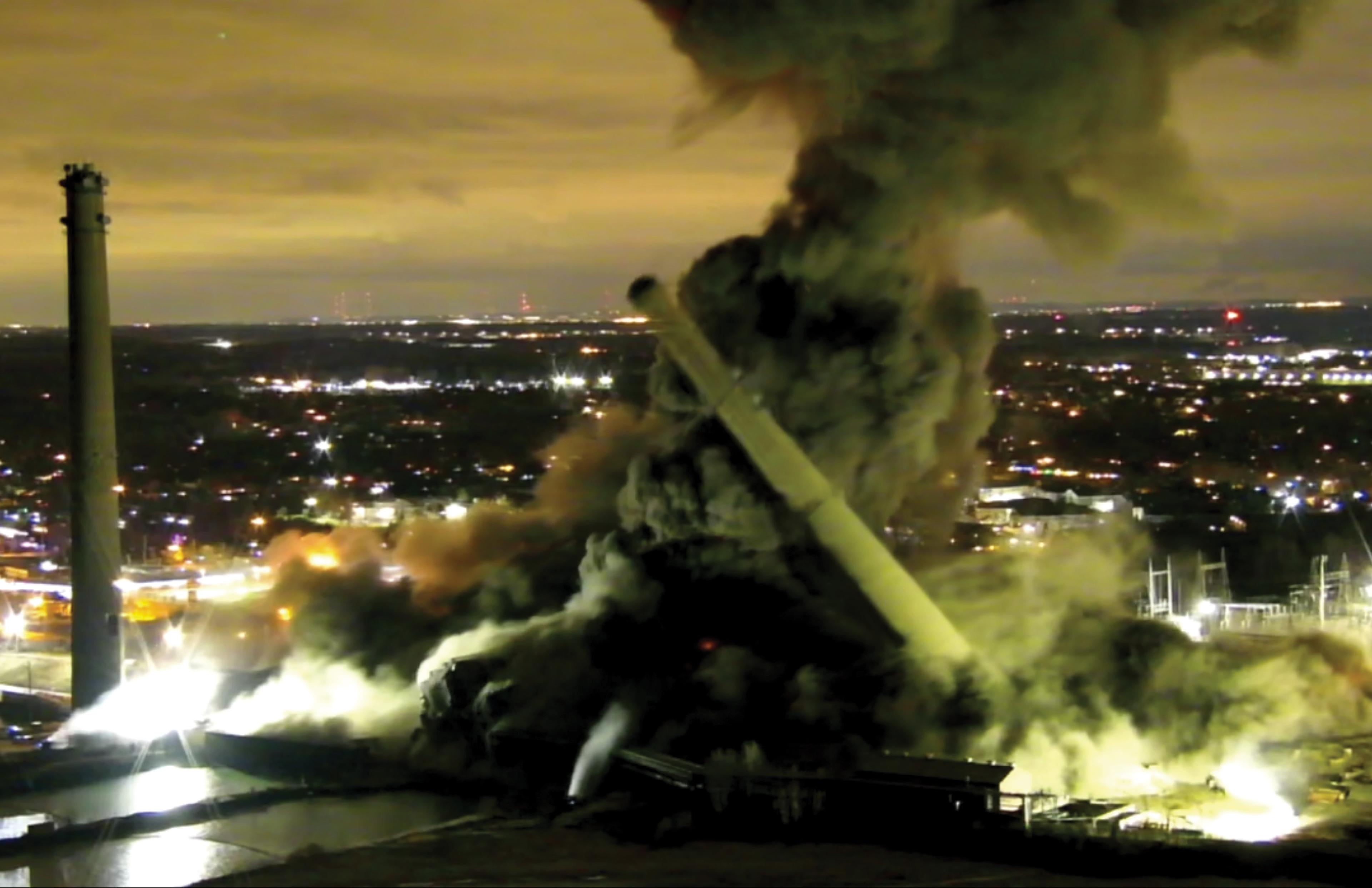
For nearly 100 years, Avon Lake's coal-fired power plant powered the regional economy while cutting residents off from Lake Erie and leaving behind environmental challenges. When the facility closed in 2022, the city faced more than the loss of jobs and tax revenue, it inherited 131 acres of industrial land with enormous redevelopment potential. Working with Avison Young, Charah Solutions, and the City of Avon Lake, Gensler saw an opportunity to transform a stranded asset into a catalyst for environmental restoration, economic resilience, and community renewal.
More about this topic

![[NEEDS INPUT: alt text]](https://cdn.sanity.io/images/iexz7ctt/development/43b3026bb53cc800414f17a3b5f5f2e191692331-5018x6000.jpg?w=3840&q=75&auto=format&fit=max)
Why This Matters
01
Beyond Coal
The retirement of the power plant created an opportunity to replace a century-old economic engine with a more resilient, diversified future built around housing, jobs, recreation, and investment.
02
Reclaiming the Waterfront
For generations, the power plant restricted access to one of Avon Lake's greatest natural assets. The master plan reconnects residents to Lake Erie through new parks, trails, beaches, and civic spaces.
03
A Model for Transition
Rather than simply demolishing industrial infrastructure, the plan demonstrates how adaptive reuse and ecological restoration can help communities navigate the transition to a lower-carbon economy.
This is a pivotal moment for the future of the city, and we are delighted to have this opportunity to craft a new vision for the power plant site and our community. We aim to revitalize the lakefront, connect the city to Lake Erie, and create the largest open space and public lakefront project that our region has seen in decades while serving as a catalyst for economic growth.
Solution
A regenerative master plan restores the shoreline, celebrates the site's industrial heritage, and creates a framework for a vibrant mixed-use waterfront district.
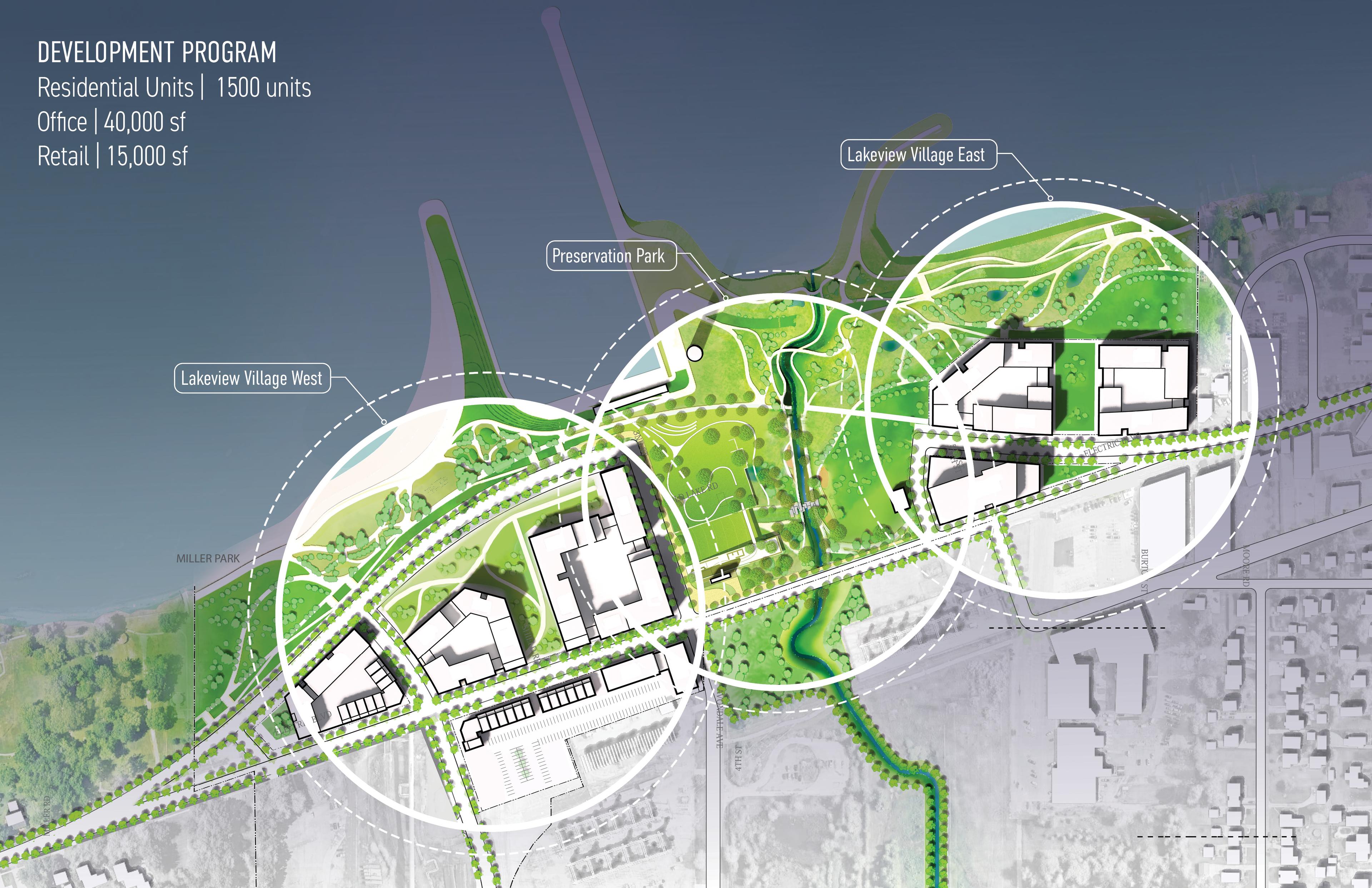
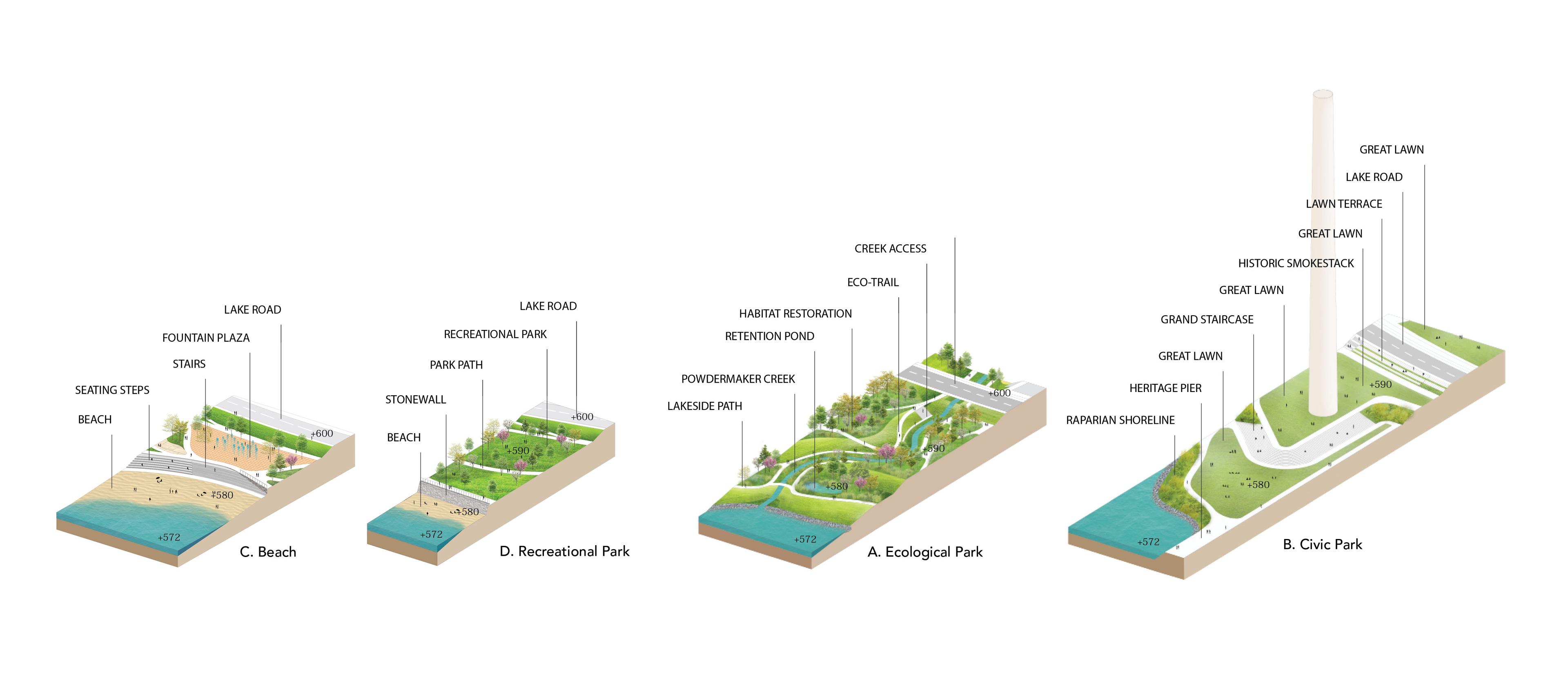
Rather than erase the site's industrial legacy, Gensler's master plan reimagines it as the foundation for Avon Lake's next chapter. The vision restores 17 acres of publicly accessible waterfront, daylights Powdermaker Creek, remediates contaminated land, and selectively reuses historic structures for housing, offices, retail, entertainment, and civic destinations. Walkable neighborhoods, restored ecosystems, and new public spaces reconnect residents with Lake Erie while creating a flexible development framework that supports long-term investment and climate resilience.
![[NEEDS INPUT: alt text]](https://cdn.sanity.io/images/iexz7ctt/development/15b403f1c006af0b189a028d7b5f7ee7d071e12b-2752x1536.jpg?w=3840&q=75&auto=format&fit=max)
![[NEEDS INPUT: alt text]](https://cdn.sanity.io/images/iexz7ctt/development/d48cbd38ad027015b10362e93886c389448d785b-3200x1800.jpg?w=3840&q=75&auto=format&fit=max)
![[NEEDS INPUT: alt text]](https://cdn.sanity.io/images/iexz7ctt/development/82aca8a6ed429a283651a941ec2ead6ad5a87d51-5100x3300.jpg?w=3840&q=75&auto=format&fit=max)
![[NEEDS INPUT: alt text]](https://cdn.sanity.io/images/iexz7ctt/development/d8b19c0d77f1e935344683b32a9a396f131e7d48-5100x3300.jpg?w=3840&q=75&auto=format&fit=max)
![[NEEDS INPUT: alt text]](https://cdn.sanity.io/images/iexz7ctt/development/41060e5512d617364dc0bcb9679acf75dbeeedbe-5100x3300.jpg?w=3840&q=75&auto=format&fit=max)
Related Content
17
Publicly Accessible Waterfront · acres
125
Industrial Land Restored · acres
1,200
New Housing Planned · homes
From brief to build: how research, community engagement, and ecological restoration transformed a retired coal plant into a blueprint for waterfront renewal.
Every planning decision began with a simple question: How can a retired coal plant become the foundation for a thriving waterfront community? Gensler combined market analysis, urban design, ecological restoration, and extensive stakeholder engagement to test redevelopment scenarios that balanced environmental performance with economic viability. The resulting framework preserves the site's cultural memory while introducing new opportunities for housing, recreation, employment, and public access, giving city leaders and residents a shared vision for Avon Lake's future.
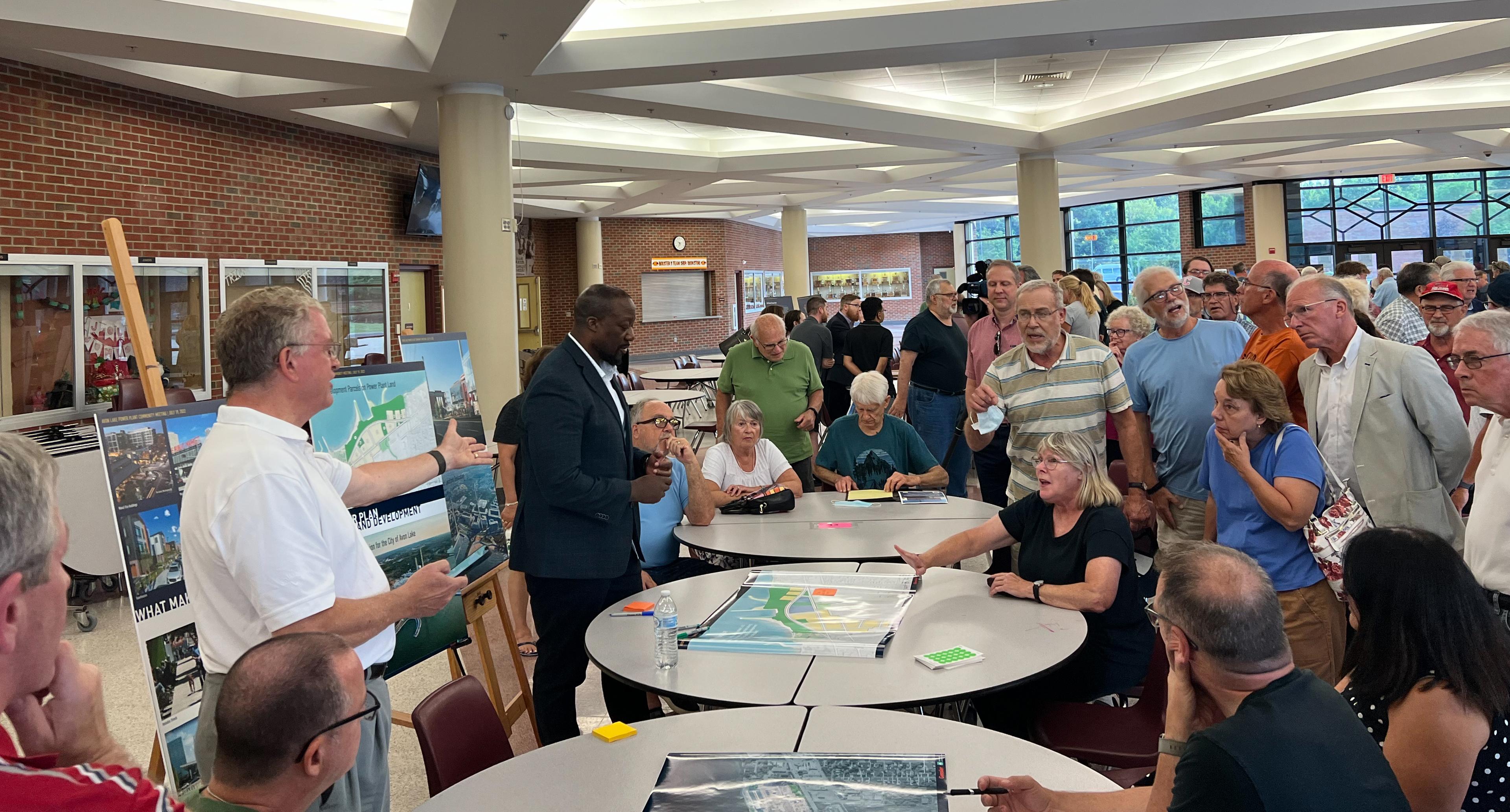
Shaping a Shared Vision
Stakeholder workshops gathered residents, business owners, and leaders to align redevelopment priorities around Avon Lake's future.
Impact
This project is a blueprint for post-industrial regeneration that demonstrates how retiring fossil fuel infrastructure can create healthier communities, stronger economies, and more resilient waterfronts.
The master plan restores ecological systems, reconnects residents to Lake Erie, and establishes a scalable model for post-industrial redevelopment and long-term economic resilience.
![[NEEDS INPUT: alt text]](https://cdn.sanity.io/images/iexz7ctt/development/1c9ecfd6b37dbf36a2b8837eb04530d4d9e689b1-5100x3300.jpg?w=3840&q=75&auto=format&fit=max)
What Changed Because of This
01
Public Access
A formerly inaccessible industrial shoreline becomes 17 acres of public waterfront with beaches, trails, gathering spaces, and restored natural habitat.
02
Economic Resilience
The master plan creates a flexible framework for housing, workplaces, retail, recreation, and long-term investment that strengthens Avon Lake's economic future.
03
Environmental Regeneration
Remediated land, restored shoreline habitat, and the daylighting of Powdermaker Creek improve ecological performance while reconnecting people with Lake Erie's natural landscape.
Small towns located on the edge of larger metropolitan areas have a once-in-a-generation opportunity to reshape their future by turning distressed industrial sites into transformative assets.
Recognition
New York Times
AIA
Atmos
Team
Project Leadership

FAQ
How can retired industrial sites become catalysts for economic development?
What strategies make waterfront redevelopment more resilient?
How does adaptive reuse benefit large-scale redevelopment projects?
How can communities transition former energy infrastructure to new uses?
How does Gensler approach complex post-industrial redevelopment projects?
What recognition has the Avon Lake Renewable Master Plan received?
Related Content

![[NEEDS INPUT: alt text]](https://cdn.sanity.io/images/iexz7ctt/development/43eb5961d3e5e7cafe633cf441afe49b7bfd8abe-4800x2700.png?w=3840&q=75&auto=format&fit=max)
![[NEEDS INPUT: alt text]](https://cdn.sanity.io/images/iexz7ctt/development/f8f54601823c90cddbdc71c32e1840a59ea3cf57-5000x2997.jpg?w=3840&q=75&auto=format&fit=max)