

![[NEEDS INPUT: alt text]](https://cdn.sanity.io/images/iexz7ctt/development/f8f54601823c90cddbdc71c32e1840a59ea3cf57-5000x2997.jpg?w=3840&q=75&auto=format&fit=max)
Overview
Northside Forward is a 10-year roadmap created with North Minneapolis residents to shape inclusive growth, strengthen community prosperity, and guide future investment.
![[NEEDS INPUT: alt text]](https://cdn.sanity.io/images/iexz7ctt/development/68242fadfdb7044fe8c9a7e8c37c423bd14e39e3-5000x2575.jpg?w=3840&q=75&auto=format&fit=max)
Opportunity
Major transit investment created a rare opportunity to grow North Minneapolis while ensuring longtime residents shaped and benefited from the neighborhood's future.
North Minneapolis has long been a center of Black culture, entrepreneurship, and community leadership. As the planned Metro Blue Line Extension promised new investment, residents recognized both opportunity and risk. Without a shared vision, growth could accelerate displacement, rising housing costs, and loss of cultural identity. Working alongside the African American Leadership Forum, Gensler helped facilitate a community-driven planning process that transformed hundreds of local voices into a long-term strategy for equitable development, economic mobility, and neighborhood prosperity.
More about this topic
![[NEEDS INPUT: alt text]](https://cdn.sanity.io/images/iexz7ctt/development/2fd0760f2e5eda3529d433d5e309e7bc09ffbc4b-5000x2575.jpg?w=3840&q=75&auto=format&fit=max)
Why This Matters
01
Community Ownership
Growth succeeds when residents help define the future, ensuring new investment reflects local priorities, strengthens neighborhoods, and builds lasting trust.
02
Equitable Investment
The plan establishes a framework for directing $1.5 billion toward housing, businesses, education, and infrastructure that benefit existing residents.
03
Future-Ready
As cities grow around new transit infrastructure, Northside Forward demonstrates how equitable planning can preserve identity while expanding opportunity.
This is not charity. This is strategy. This is repair. This is what our community has always deserved.
Solution
A community-defined roadmap aligns housing, economic development, education, and public investment around a shared vision for long-term neighborhood prosperity.
Rather than beginning with physical development, Northside Forward began by listening. Through extensive community engagement; residents, entrepreneurs, artists, educators, and neighborhood organizations identified the priorities that became the six strategic pillars guiding future investment. The resulting framework combines demographic research, market analysis, urban design, and policy recommendations to support more than 3,700 new housing units, expanded business opportunities, workforce development, and public realm improvements while protecting affordability, cultural identity, and Black wealth creation.
![[NEEDS INPUT: alt text]](https://cdn.sanity.io/images/iexz7ctt/development/4082ec30f157eaf462281c85048927fadd88879f-5000x2575.jpg?w=3840&q=75&auto=format&fit=max)
![[NEEDS INPUT: alt text]](https://cdn.sanity.io/images/iexz7ctt/development/04f9cceddf074f25d01c3153b11ef4feb702e556-6000x3090.jpg?w=3840&q=75&auto=format&fit=max)
Related Content
200+
Community Voices Engaged
1500M
Targeted Investment
3,700+ Units
New Housing Planned
From brief to build: transforming hundreds of community conversations into a shared vision for equitable growth, neighborhood resilience, and long-term investment.
Through workshops, interviews, neighborhood events, and stakeholder meetings, more than 200 residents, business owners, artists, educators, and community leaders helped define the plan's priorities. These perspectives were combined with demographic analysis, economic forecasting, mobility planning, and urban design strategies to create an implementation framework grounded equally in community aspirations and data. The result is a roadmap that balances future investment with cultural preservation, accountability, and long-term neighborhood prosperity.
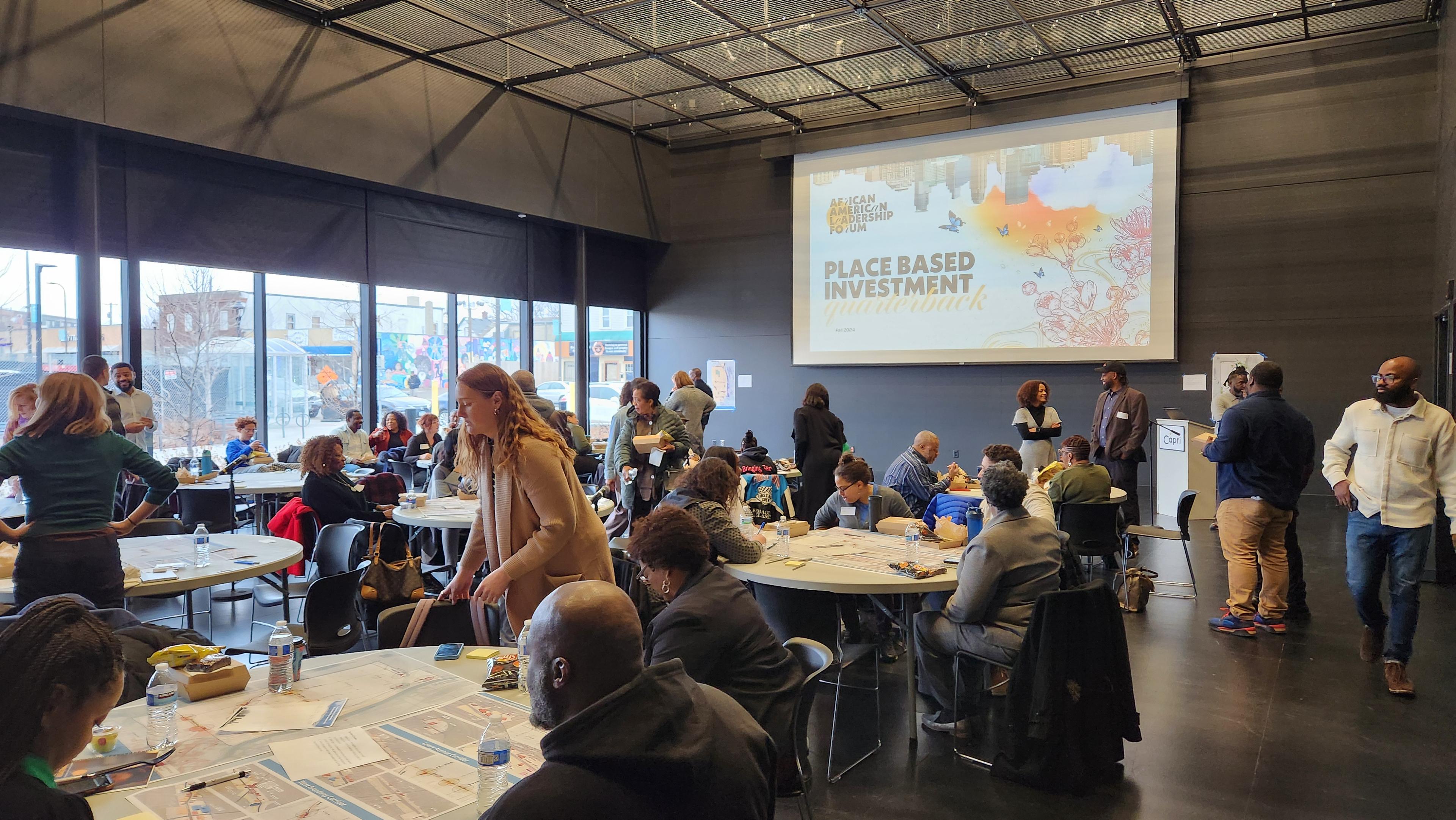
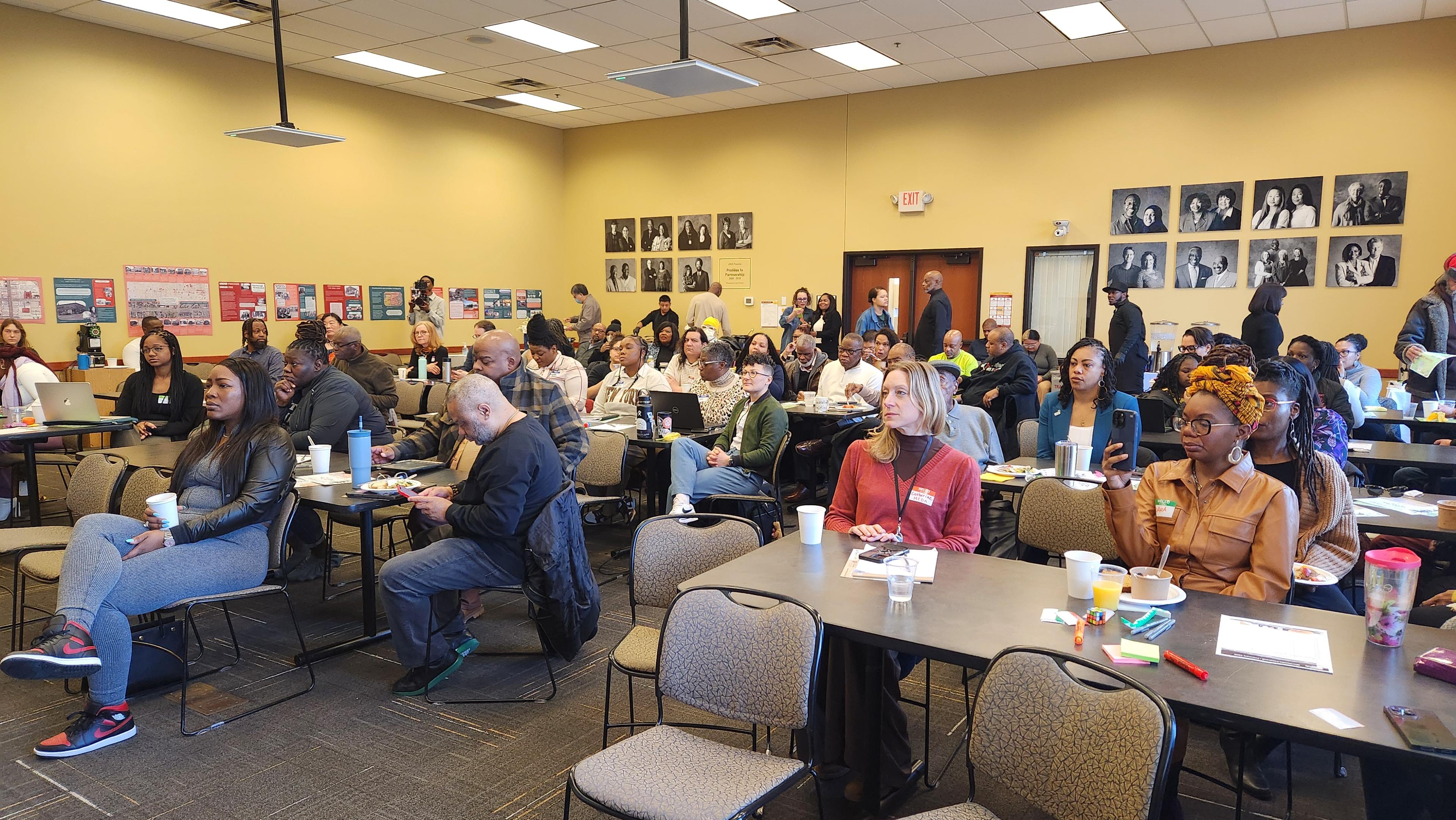
Listening Before Planning
Community workshops engaged residents, business owners, and leaders to define priorities guiding future neighborhood investment.
Impact
Northside Forward establishes a nationally relevant model for community-led planning that aligns equitable investment with neighborhood aspirations and long-term resilience.
The plan positions North Minneapolis to guide future investment through community leadership, strengthening housing, entrepreneurship, mobility, and economic opportunity.
![[NEEDS INPUT: alt text]](https://cdn.sanity.io/images/iexz7ctt/development/9ee20170281857ac96260258f84e4489bc0d2383-5000x2813.jpg?w=3840&q=75&auto=format&fit=max)
What Changed Because of This
01
Community Voice
Residents shaped priorities, ensuring future development reflects neighborhood values, culture, and long-term aspirations rather than outside assumptions.
02
Economic Mobility
Housing, workforce development, entrepreneurship, and commercial investment strategies create pathways to generational wealth and neighborhood prosperity.
03
Shared Accountability
Residents and local organizations remain central to decision-making, implementation, and long-term accountability.
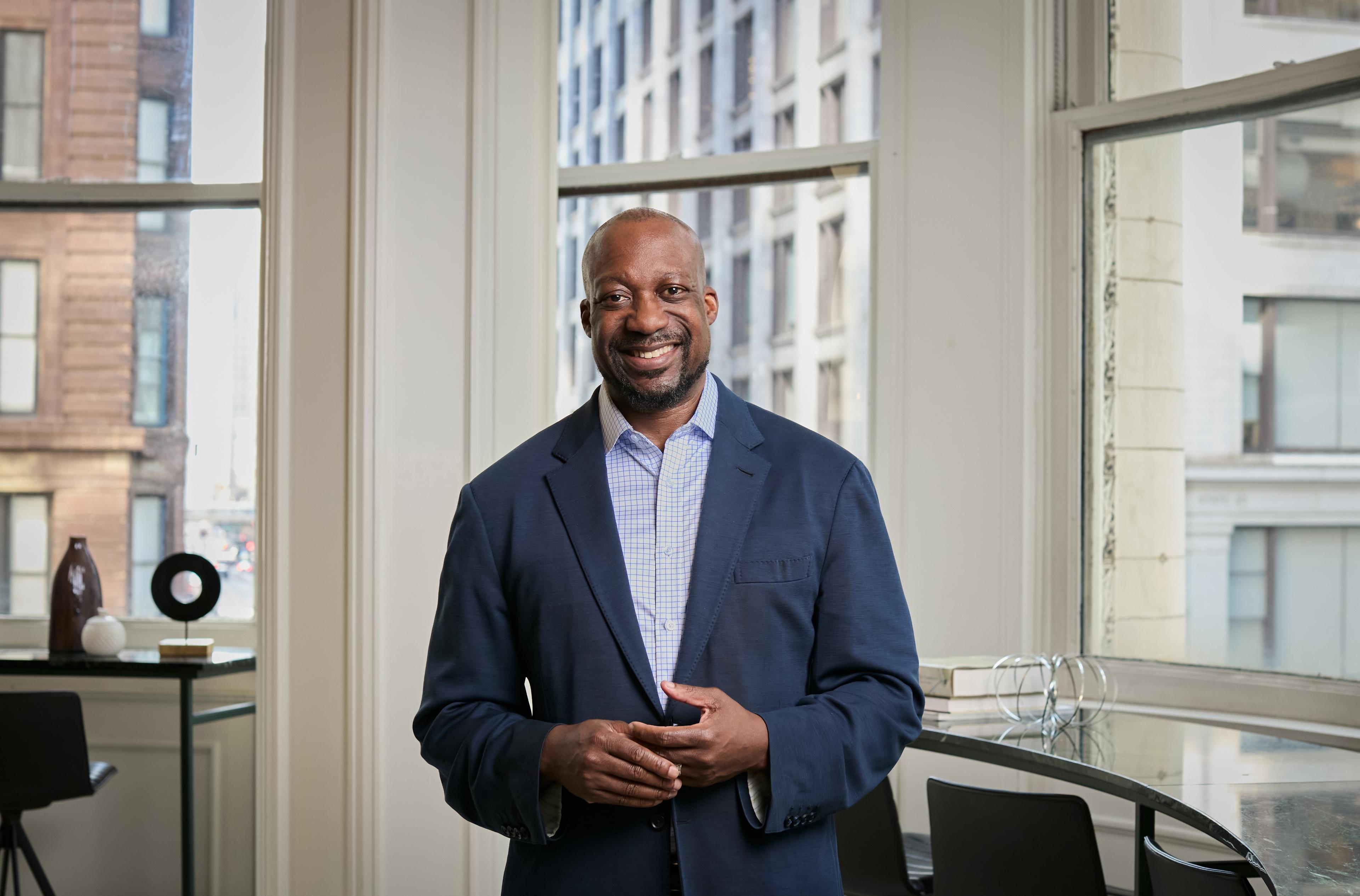
This is what it looks like when a community claims its agency and aligns its brilliance around a shared vision.
Recognition
Mpls. St.Paul Magazine
Green Building & Design
Urban Land
Team
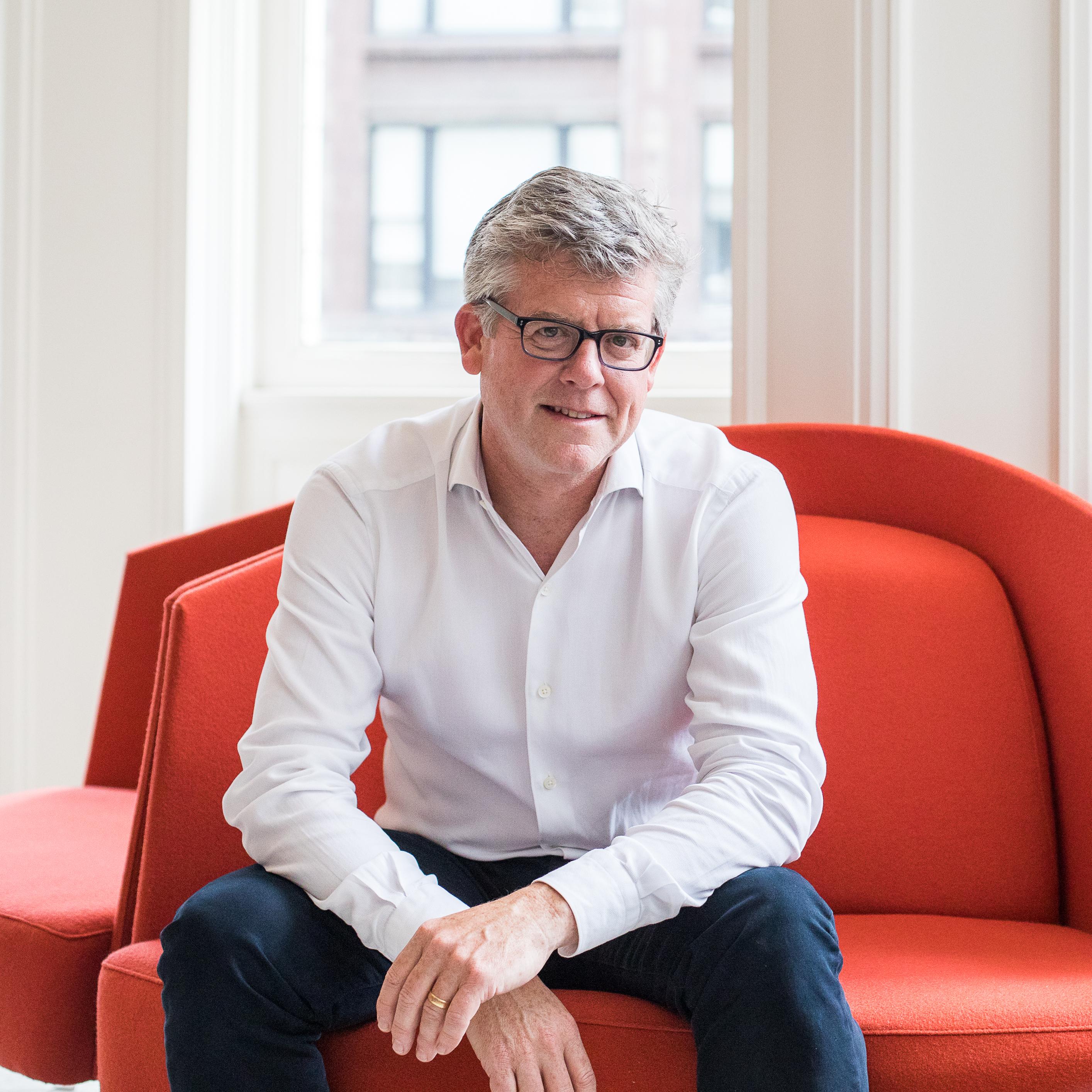
Project Leadership
FAQ
How can community engagement lead to better planning outcomes?
How can cities encourage equitable growth around new transit investment?
How does strategic planning support long-term economic mobility?
Who helped create the plan?
What makes Northside Forward different from a traditional master plan?
How does Gensler approach equitable urban development?
Related Content
![[NEEDS INPUT: alt text]](https://cdn.sanity.io/images/iexz7ctt/development/75002a363e4fe777f25f59387401bb4077788d3d-6000x3349.jpg?w=3840&q=75&auto=format&fit=max)
![[NEEDS INPUT: alt text]](https://cdn.sanity.io/images/iexz7ctt/development/64c10e9c0f94e432ce0b8aa984fe4d7b02c2fe06-2550x1650.jpg?w=3840&q=75&auto=format&fit=max)
![[NEEDS INPUT: alt text]](https://cdn.sanity.io/images/iexz7ctt/development/43eb5961d3e5e7cafe633cf441afe49b7bfd8abe-4800x2700.png?w=3840&q=75&auto=format&fit=max)