

![[NEEDS INPUT: alt text]](https://cdn.sanity.io/images/iexz7ctt/development/aebb22b6153798c700f0374e61079511c8a397de-5769x3765.tif)
Overview
Pillsbury Creative Commons expands a neighborhood arts institution into a community-powered hub for artistic expression, workforce training, storytelling, and belonging.
![[NEEDS INPUT: alt text]](https://cdn.sanity.io/images/iexz7ctt/development/13619d15f0115a4768db87e23cacbaca7e2f7045-5794x3536.tif)
![[NEEDS INPUT: alt text]](https://cdn.sanity.io/images/iexz7ctt/development/4ea903e0638980c81eee462b185c6277a951bf66-9504x6274.tif)
![[NEEDS INPUT: alt text]](https://cdn.sanity.io/images/iexz7ctt/development/3763623ffe713f570d87265beb8abd4e2988a1af-9415x6277.tif)
Opportunity
Pillsbury House + Theatre envisioned a community-rooted campus that expands creative access, opens career pathways, amplifies local voices, and brings neighbors together.
For more than 30 years, Pillsbury House + Theatre has used art, education, and social services to support South Minneapolis. As community needs evolved, so did the opportunity: create a campus that could address disparities in access, employment, and representation while serving as a civic gathering place. The challenge was to bring together radio, technical arts training, artist housing, performance, and everyday neighborhood support in a way that felt open, welcoming, and deeply rooted in place.
More about this topic

![[NEEDS INPUT: alt text]](https://cdn.sanity.io/images/iexz7ctt/development/5d7e30e0ec2714da5f831984567f7301c0abeadc-5412x3615.tif)
Why This Matters
01
Arts as Economic Infrastructure
PCC reframes creative space as a workforce engine, connecting local residents to paid training, technical skills, and pathways into high-demand arts and media careers.
02
Design That Builds Trust
Transparency, visibility, and community input make the campus feel open and accountable, helping residents see themselves reflected in both the process and the place.
03
A Replicable Civic Model
By combining public, philanthropic, nonprofit, and design partnerships, PCC offers a new model for community-centered development with long-term social and economic returns.
We’re boldly investing in the dreams seeded by our community: supporting more artists and more community members to co-create the future they deserve.
Solution
The design organizes creative production, public visibility, training, and retreat into a flexible campus that infuses community mission into daily experience.
Gensler’s design centers on transparency, adaptability, and creative exchange. Street-facing KRSM studios make live radio visible from Chicago Avenue, inviting the neighborhood into the act of storytelling. Flexible gathering spaces support performances, after-school programs, workshops, and community events, while artist live-work units create space for residency and making. Materials and graphics inspired by radio waves, vinyl records, and KRSM’s identity give the building a distinct cultural voice. Sustainable features, including a green roof and outdoor deck, add acoustic, environmental, and wellness benefits.
![[NEEDS INPUT: alt text]](https://cdn.sanity.io/images/iexz7ctt/development/17dbfd2642417ef20dd2f7937c1107cfddb018e8-5195x3519.tif)
![[NEEDS INPUT: alt text]](https://cdn.sanity.io/images/iexz7ctt/development/a34fc3bcf0212ff0112ac8e076ea92b5f5195bb5-5988x3992.tif)
![[NEEDS INPUT: alt text]](https://cdn.sanity.io/images/iexz7ctt/development/4525b87fa0b970f20779e89d923d01da9ccb33a0-5100x3400.jpg?w=3840&q=75&auto=format&fit=max)
![[NEEDS INPUT: alt text]](https://cdn.sanity.io/images/iexz7ctt/development/1000b1bc927b46791c2b83dd29545d07fec0aeec-9504x6336.tif)
Related Content
FPO
FPO Stat
FPO
FPO Stat
FPO
FPO Stat
From brief to build: how a decade of listening shaped a phased campus designed around trust, access, and long-term community transformation.
The project grew from years of community engagement led by Pillsbury House + Theatre through focus groups, town halls, block parties, and ongoing neighborhood dialogue. Gensler supported that vision with pro-bono programming, campus planning, phasing, visualization, and fundraising tools that helped translate community ambition into an implementable design strategy. The first phase creates a two-story technical arts and media hub, while the adjacent Scene Shop extends the campus into hands-on training and production. Together, the phased approach builds capacity over time without losing sight of the organization’s community-rooted mission.

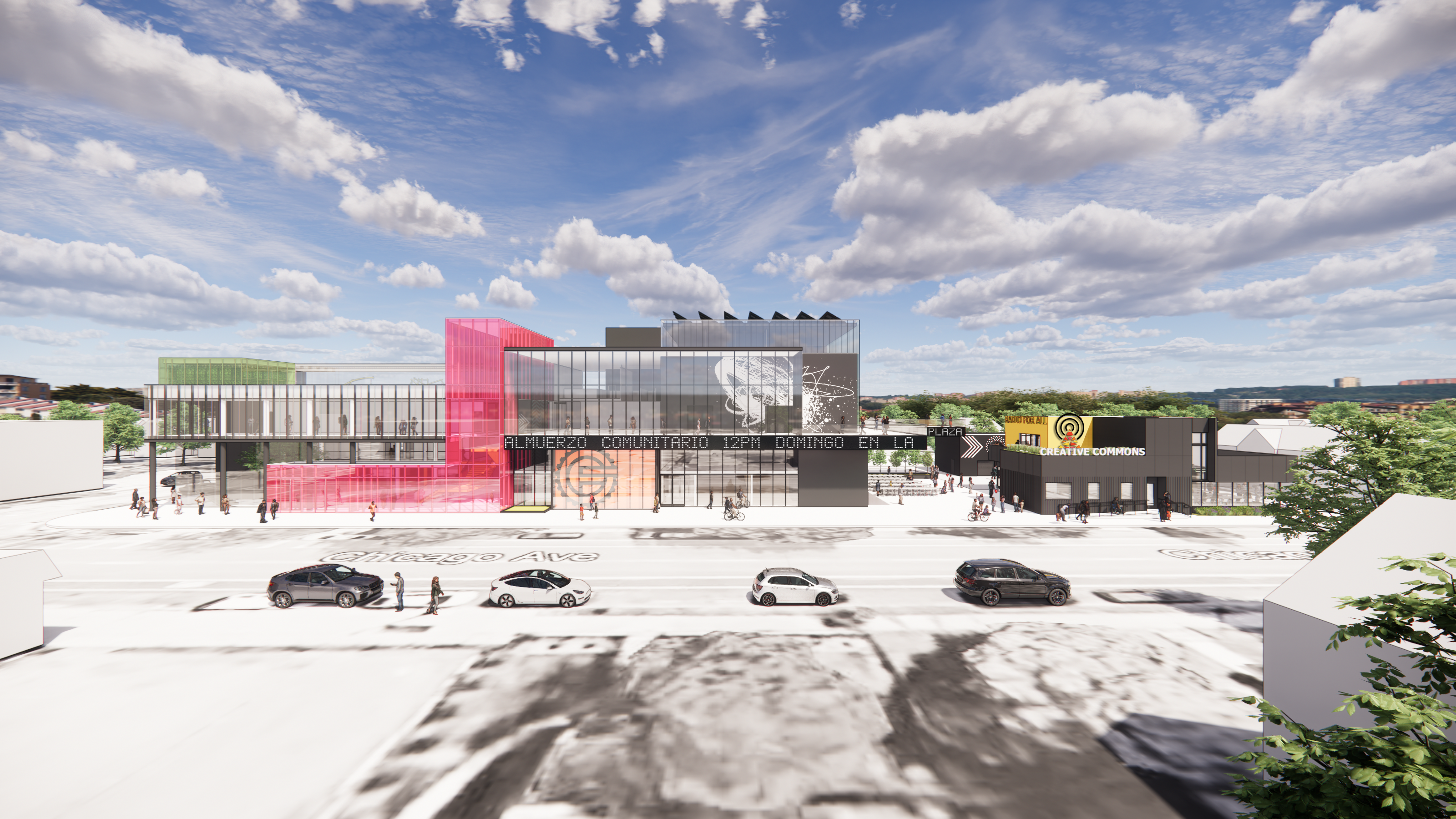


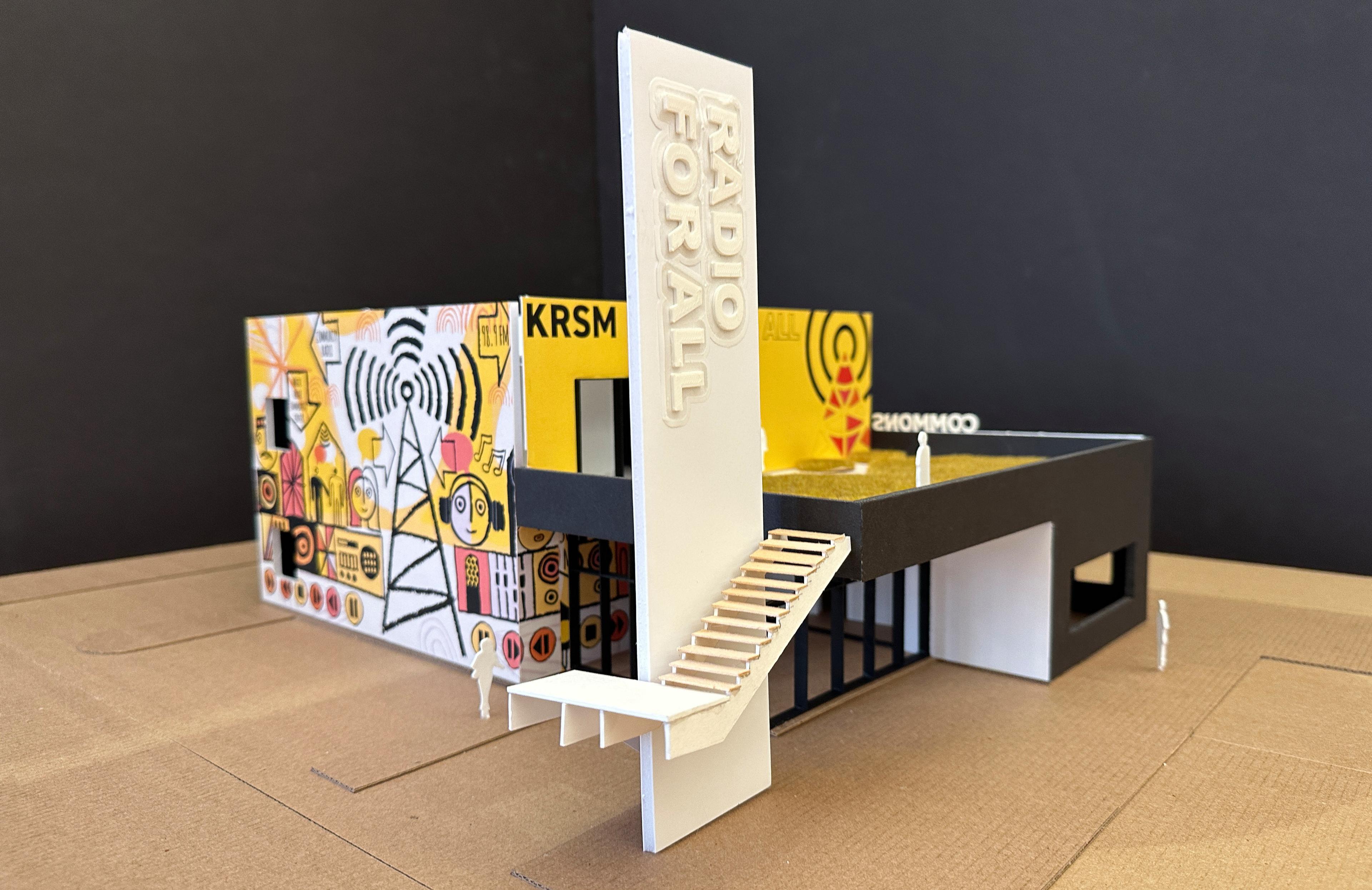
First Phase, Lasting Impact
The Creative Commons establishes a technical arts and media hub while laying groundwork for future campus expansion.
Impact
Pillsbury Creative Commons demonstrates that arts infrastructure can advance economic mobility, amplify community voices, and strengthen neighborhood resilience.
By combining media, training, housing, and multi-functional common space, PCC transforms a neighborhood campus into a platform for opportunity and belonging.
![[NEEDS INPUT: alt text]](https://cdn.sanity.io/images/iexz7ctt/development/d1fdcbe969602bebdf457e00f00386deae522621-9504x6336.tif)
What Changed Because of This
01
Creative Access
PCC gives emerging artists, storytellers, and technical creatives access to professional studios, training spaces, and production tools rooted in their own community.
02
Visible Storytelling
Street-facing KRSM studios turn local broadcasting into a public experience, making community voices visible and reinforcing radio as a tool for civic connection.
03
Community Resilience
Gathering areas, outdoor spaces, and accessible community services help PCC serve not only as an arts hub, but as a place of refuge and connection.
Recognition
Costar
Mpls.St.Paul Magazine
Minnpost
Team
Project Leadership

FAQ
What is Pillsbury Creative Commons?
How does Pillsbury Creative Commons support economic development?
What role does KRSM 98.9 FM play in the project?
How does the design reflect the mission of Pillsbury House + Theatre?
What sustainable features are included in Pillsbury Creative Commons?
Why is Pillsbury Creative Commons important to South Minneapolis?
Related Content
![[NEEDS INPUT: alt text]](https://cdn.sanity.io/images/iexz7ctt/development/f57f03523d349b947041ae32cb5f81b691686ee0-5120x2779.jpg?w=3840&q=75&auto=format&fit=max)
![[NEEDS INPUT: alt text]](https://cdn.sanity.io/images/iexz7ctt/development/f705c25f08168a9d482ac0c8abed2e8748997e5e-2400x1420.jpg?w=3840&q=75&auto=format&fit=max)
![[NEEDS INPUT: alt text]](https://cdn.sanity.io/images/iexz7ctt/development/f8f54601823c90cddbdc71c32e1840a59ea3cf57-5000x2997.jpg?w=3840&q=75&auto=format&fit=max)
![[NEEDS INPUT: alt text]](https://cdn.sanity.io/images/iexz7ctt/development/e579c8ebfbf9b99d160b31da31547f50b04a04ea-8069x5382.jpg?w=3840&q=75&auto=format&fit=max)
![[NEEDS INPUT: alt text]](https://cdn.sanity.io/images/iexz7ctt/development/183863b858ea9234e67e8705fad9c10ae5a73d5b-5100x3386.jpg?w=3840&q=75&auto=format&fit=max)