

![[NEEDS INPUT: alt text]](https://cdn.sanity.io/images/iexz7ctt/development/fe86c4a7e6a9e0885cd4513d8d402e66d4e98c6e-6000x3375.jpg?w=3840&q=75&auto=format&fit=max)
Overview
The London Cancer Hub brings world-class cancer research, healthcare, and community life together in a vibrant district designed to accelerate innovation and transform Sutton.
![[NEEDS INPUT: alt text]](https://cdn.sanity.io/images/iexz7ctt/development/25a777f9300418af18ef268791f667b00d0fd179-6000x3375.jpg?w=3840&q=75&auto=format&fit=max)
Opportunity
The London Cancer Hub presented an opportunity to transform an established group of institutions into a connected district where scientific innovation, community, and everyday life could thrive.
The London Cancer Hub builds on the established cluster including The Institute of Cancer Research, The Royal Marsden, and the Innovation Gateway. There was a need to create more critical mass to support science and innovation, and to connect these institutions through a more integrated district, bringing together research, healthcare, businesses, and new homes. The design of nine new buildings enhances biodiversity and supports the evolving needs of scientific research. Extensive engagement with residents, schools, researchers, and hospital staff helped shape the landscape, amenities, and wider experience.
More about this topic

![[NEEDS INPUT: alt text]](https://cdn.sanity.io/images/iexz7ctt/development/844e6d04d026869361a049079ac541da2eb8f5ca-6000x3375.jpg?w=3840&q=75&auto=format&fit=max)
Why This Matters
01
Connecting Scientific Institutions
The London Cancer Hub is one of the top 5 centres in the world. The new development will extend connections for world-leading research, healthcare, and life sciences organisations, creating stronger opportunities for innovation and scientific discovery.
02
Creating a Vibrant District
Beyond laboratories and healthcare, the development will create an active destination including homes and amenities such as cafés, shops, and a nursery. Public spaces will encourage healthy movement and opportunities for everyday community life.
03
Driving Local Economic Growth
Backed by £1 billion in investment, the development aims to strengthen Sutton’s life sciences economy through jobs, training, key worker homes, and long-term growth.
We are delivering the next phase of investment into an already world-class cancer district, creating a powerful catalyst for collaboration, private investment, and long-term growth.
Solution
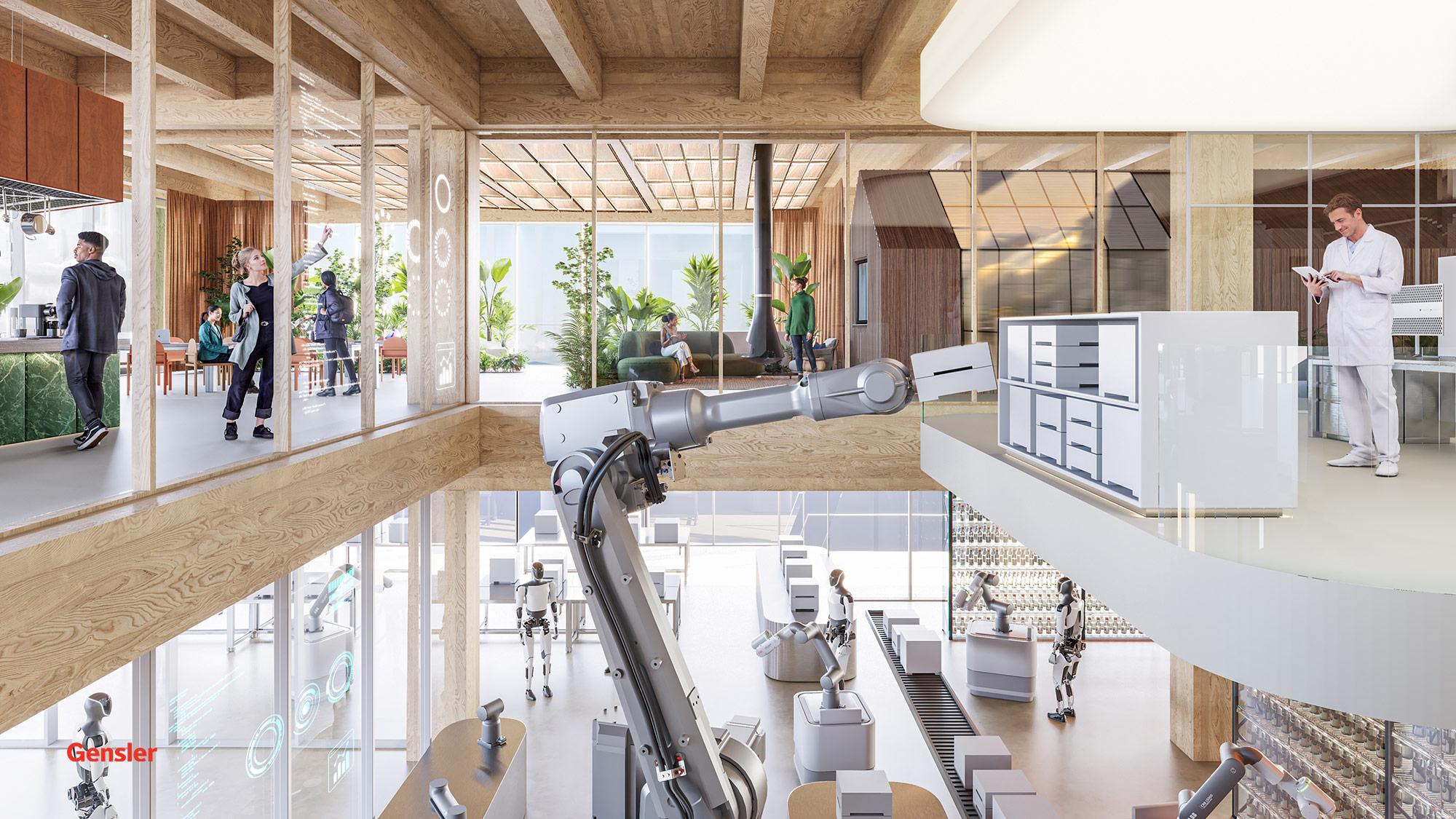
Gensler shaped the London Cancer Hub as a connected district, prioritising the human experience. Research, healthcare, work, homes, and public space are woven through green spaces supporting biodiversity, wel-lbeing, and innovation.
The masterplan arranges nine buildings around interconnecting green spaces, creating a diverse environment where research, healthcare, work, and community thrive together. Active ground floors bring science, amenity, and activity into the heart of the district. A biodiversity-led landscape strategy introduces mature trees, ecological corridors, and a 1-kilometre wellness trail, alongside new pedestrian and cycling routes. The design also integrates affordable key worker homes, educational spaces, and inclusive amenities to make the site accessible beyond the immediate scientific community.
![[NEEDS INPUT: alt text]](https://cdn.sanity.io/images/iexz7ctt/development/40830df34b4706c9da04250ca3466453cb1e66b8-6000x3375.jpg?w=3840&q=75&auto=format&fit=max)
Related Content
12
Site Area · acres
1M
Research and Laboratory Space · sqft
13,000 jobs and £1.2 billion in Gross Value Added
Economic Impact
From brief to build: how Gensler is bringing together science, community and landscape to create a future-ready innovation district shaped by its users.
Gensler developed the proposals through extensive engagement and co-design with residents, the local authority, school groups, researchers, and hospital staff. More than 4,500 people contributed to the process, helping shape the architecture and placemaking. The design responds to the site’s existing institutions, landscape, and community, while creating a framework flexible enough to support evolving scientific research. This collaborative approach helped establish a more connected place which enhances community, innovation, and health. It provides an ecologically rich environment with healthy movement opportunities through interconnected spaces including much-needed new homes.
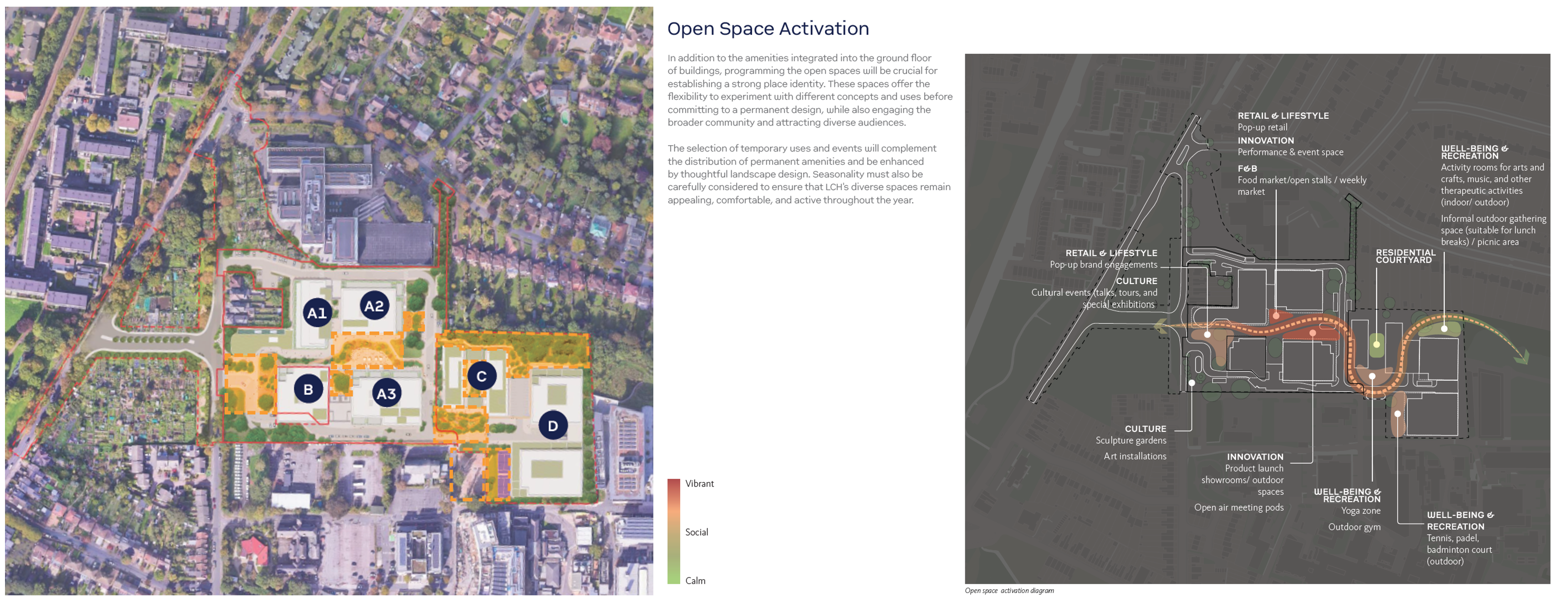
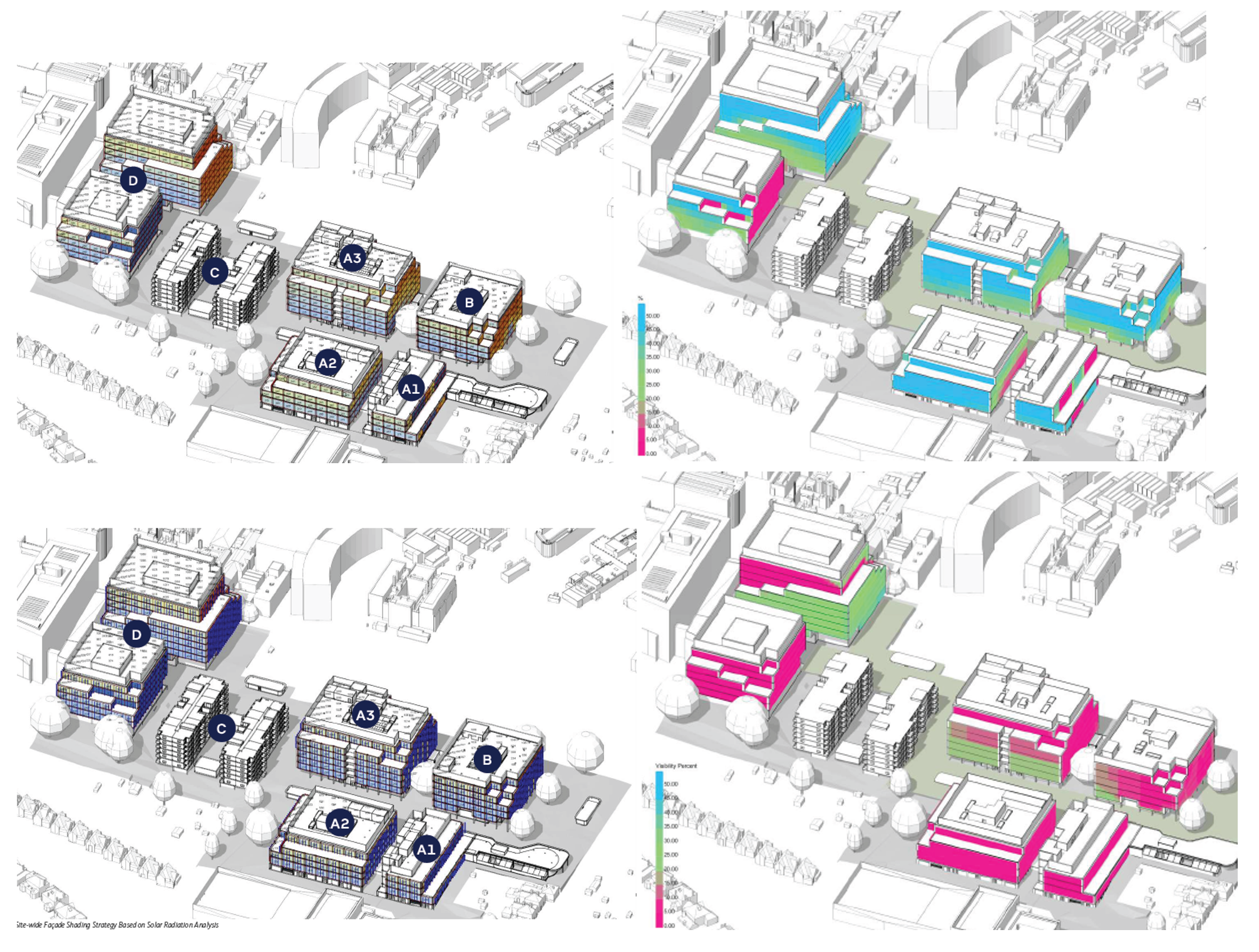
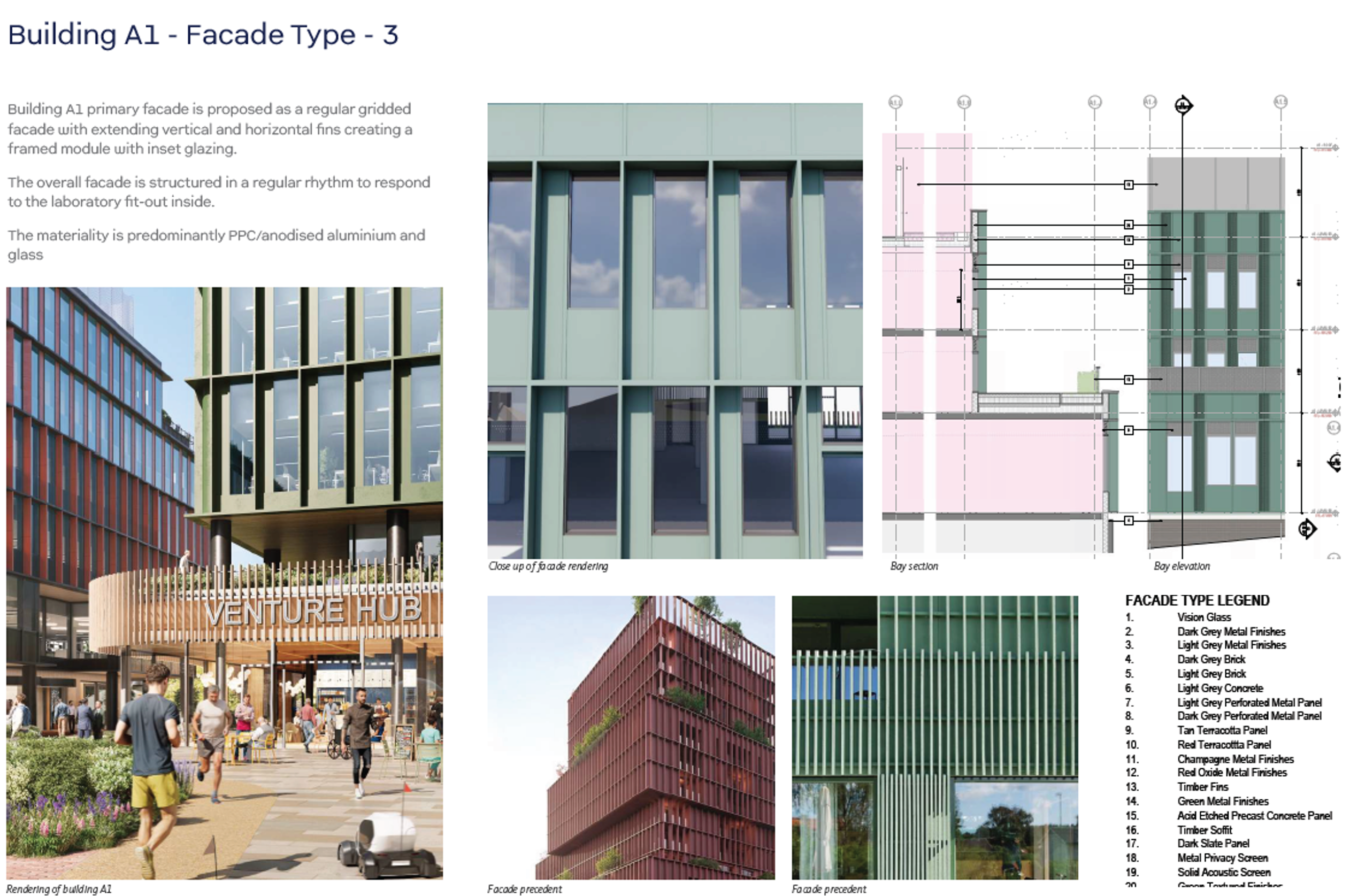
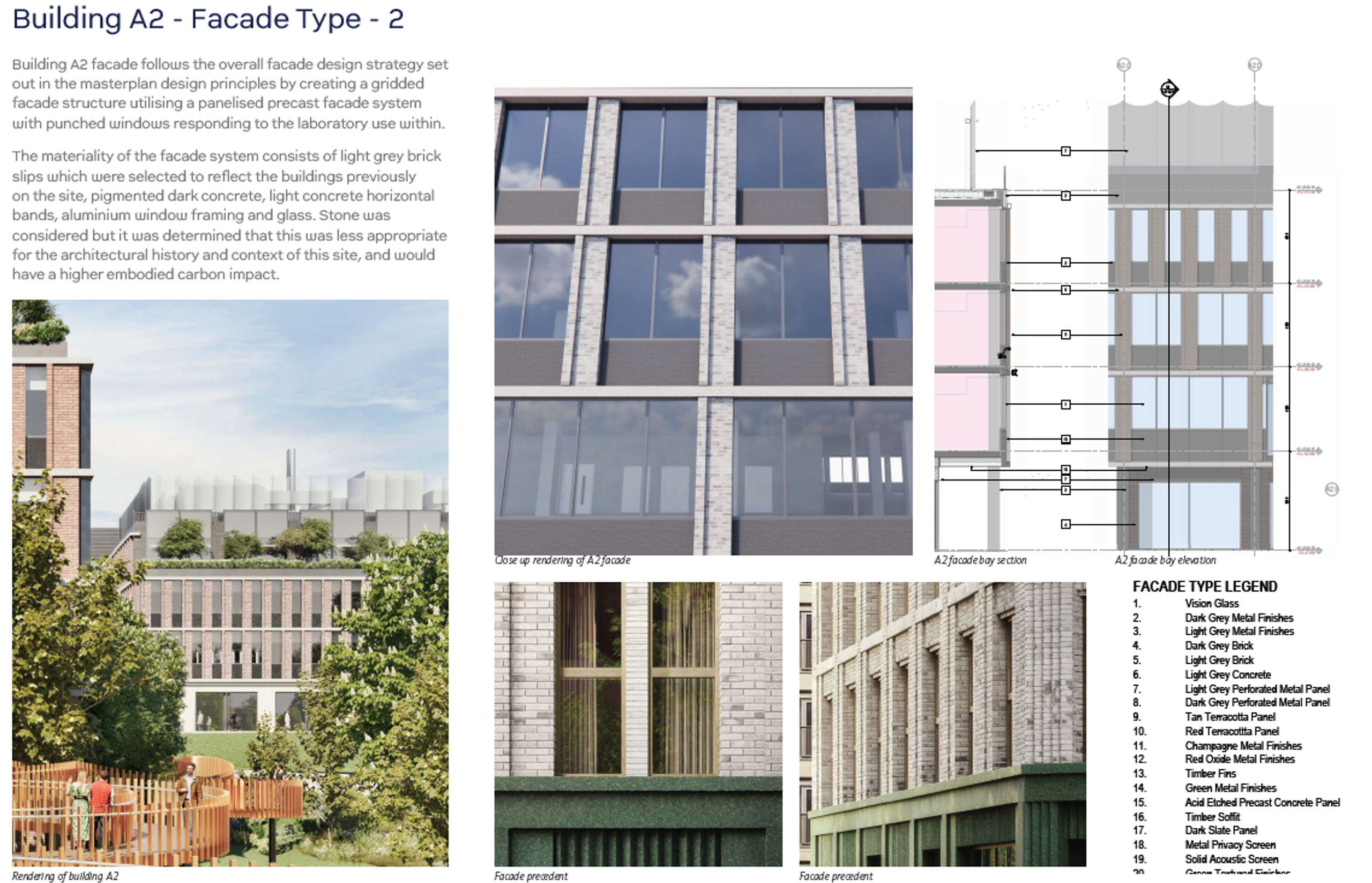
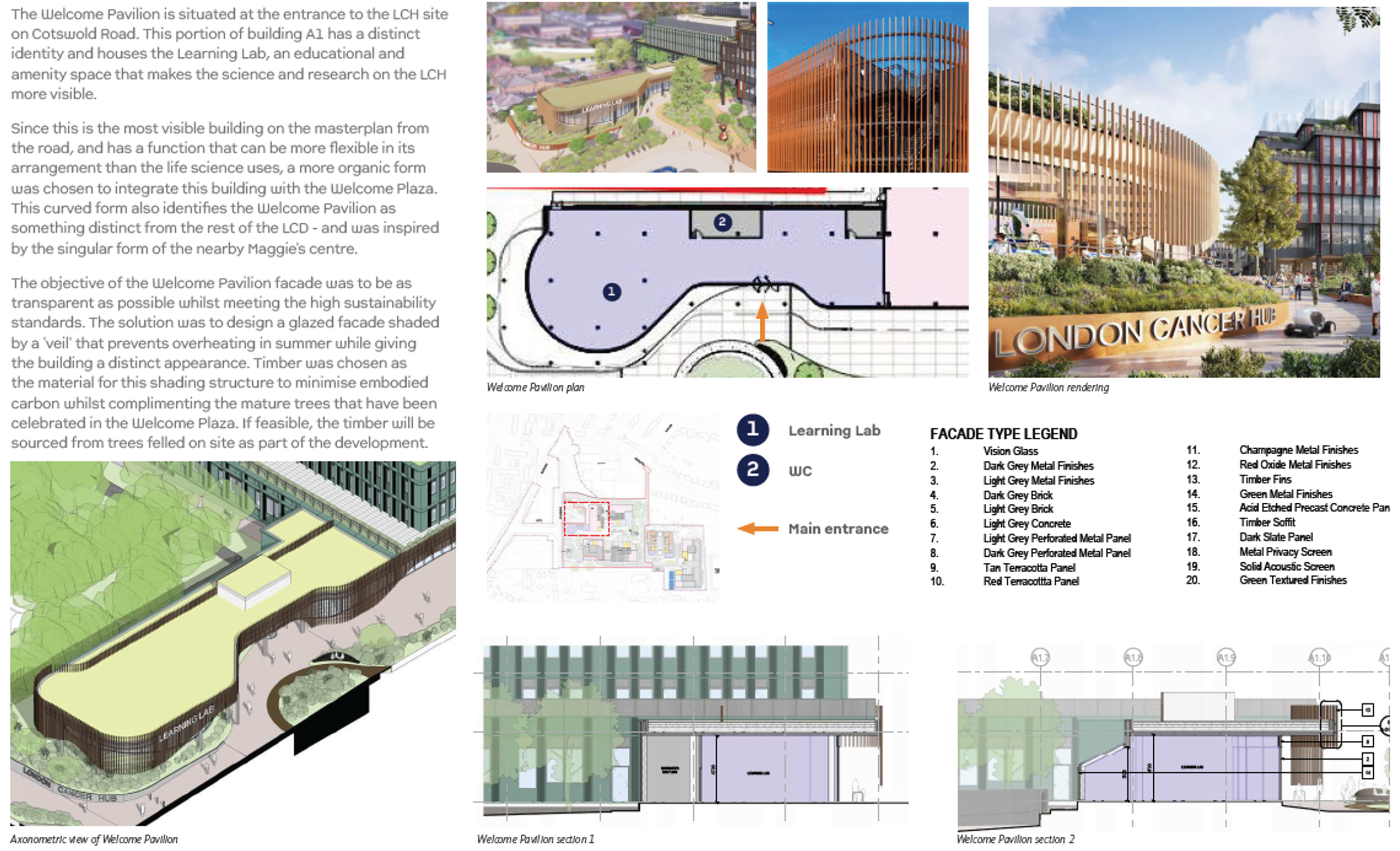
Activation of Interconnected Spaces
Interconnected public spaces create distinct experiences while maintaining continuity through active frontages, ecology, and an exercise trail across the district.
Impact
The London Cancer Hub is designed to accelerate cancer research and treatment by creating an environment where scientific discovery, collaboration, and innovation can thrive.
The district is designed to connect researchers, clinicians, life sciences companies, and innovators, creating the conditions for community, collaboration, investment, and faster translation of scientific discovery into patient benefit.
What Changed Because of This
01
Accelerating Scientific Discovery
The district will strengthen collaboration across research and healthcare, accelerating the path from scientific discovery to patient benefit.
02
Strengthening Sutton’s Economy
The development is expected to create 3,000 new jobs, supporting Sutton’s growth while contributing an estimated £1.2 billion annually to the UK economy.
03
Creating Connected Communities
Green spaces, new pedestrian routes, key worker homes, and community amenities will create a more accessible district that connects scientific activity with everyday life.
The London Cancer Hub is an exciting opportunity to create a truly connected district where design brings science, healthcare, and community together to accelerate cancer research and improve lives.
Recognition
Building Design
New London Architecture
The Times
Team
Project Leadership

FAQ
What is the scale of the London Cancer Hub?
What inspired the design?
How will the development support cancer research?
How will this support the wider community?
What is the global significance of the project?
Related Content
![[NEEDS INPUT: alt text]](https://cdn.sanity.io/images/iexz7ctt/development/ad7700eee786ac60fe8fbdf16976741d1463e359-9409x5293.jpg?w=3840&q=75&auto=format&fit=max)
![[NEEDS INPUT: alt text]](https://cdn.sanity.io/images/iexz7ctt/development/4179234b1c82654af457c6f6d4e6e4ae7790df8c-5000x3748.jpg?w=3840&q=75&auto=format&fit=max)