

![[NEEDS INPUT: alt text]](https://cdn.sanity.io/images/iexz7ctt/development/e246f7259fbb6cba4f59384f84a11346345630e7-3000x2000.jpg?w=3840&q=75&auto=format&fit=max)
Overview
Transforming a once-overlooked site, MARUWA’s new factory establishes a world-class manufacturing hub rooted in innovation and local heritage.
![[NEEDS INPUT: alt text]](https://cdn.sanity.io/images/iexz7ctt/development/6fed471718a2921fe194965c02f7cfb89f0c7751-3000x2000.jpg?w=3840&q=75&auto=format&fit=max)
![[NEEDS INPUT: alt text]](https://cdn.sanity.io/images/iexz7ctt/development/d9f886192a8eeefd1e658ae48a0c34cbf86a3955-3000x2000.jpg?w=3840&q=75&auto=format&fit=max)
![[NEEDS INPUT: alt text]](https://cdn.sanity.io/images/iexz7ctt/development/51fee334557b021afe8748e0d2dfb271c54eb7e7-2000x3000.jpg?w=3840&q=75&auto=format&fit=max)
![[NEEDS INPUT: alt text]](https://cdn.sanity.io/images/iexz7ctt/development/bedae1834dce0706c5659c50e486781ab3fb4c0b-3000x2000.jpg?w=3840&q=75&auto=format&fit=max)
![[NEEDS INPUT: alt text]](https://cdn.sanity.io/images/iexz7ctt/development/a115546c852bb9fdbc056894ced86cd578355c47-2250x3000.jpg?w=3840&q=75&auto=format&fit=max)
![[NEEDS INPUT: alt text]](https://cdn.sanity.io/images/iexz7ctt/development/53e3e5c78441740ce9245bbf6fc13f6199d9f0e9-3000x1999.jpg?w=3840&q=75&auto=format&fit=max)
Opportunity
MARUWA saw an opportunity to transform a site once associated with illegal dumping into a community asset that supports innovation and Seto’s future.
As a global leader in ceramic materials for electronic components, MARUWA sought to reimagine a site once associated with illegal dumping as a community asset that would benefit both its business and the local community. The project presented an opportunity to create a state-of-the-art manufacturing facility while revitalizing the surrounding environment and strengthening connections to Seto’s rich heritage of craftsmanship and creativity. By investing in a workplace designed for innovation, MARUWA aimed to support future generations and contribute to the region’s long-term vitality.
More about this topic

![[NEEDS INPUT: alt text]](https://cdn.sanity.io/images/iexz7ctt/development/06711d4e550a68d8bd46156273f08b60f51cea41-3000x2000.jpg?w=3840&q=75&auto=format&fit=max)
Why This Matters
01
Reimagining Site Potential
The project transformed a site once associated with illegal dumping into a lasting community asset, turning an overlooked place into a source of pride and renewal.
02
Strengthening Seto’s Legacy
Set in one of Japan’s most celebrated ceramic-producing regions, the project reinforces Seto’s culture of craftsmanship while supporting future generations through creativity and local connection.
03
Designing for Future Growth
The new facility extends beyond production, creating a future-focused environment that supports talent development and long-term competitiveness in a rapidly evolving global industry.
FPO Quote
Solution
By opening the factory to people and nature, the design reimagines manufacturing as a catalyst for community, well-being, and innovation.
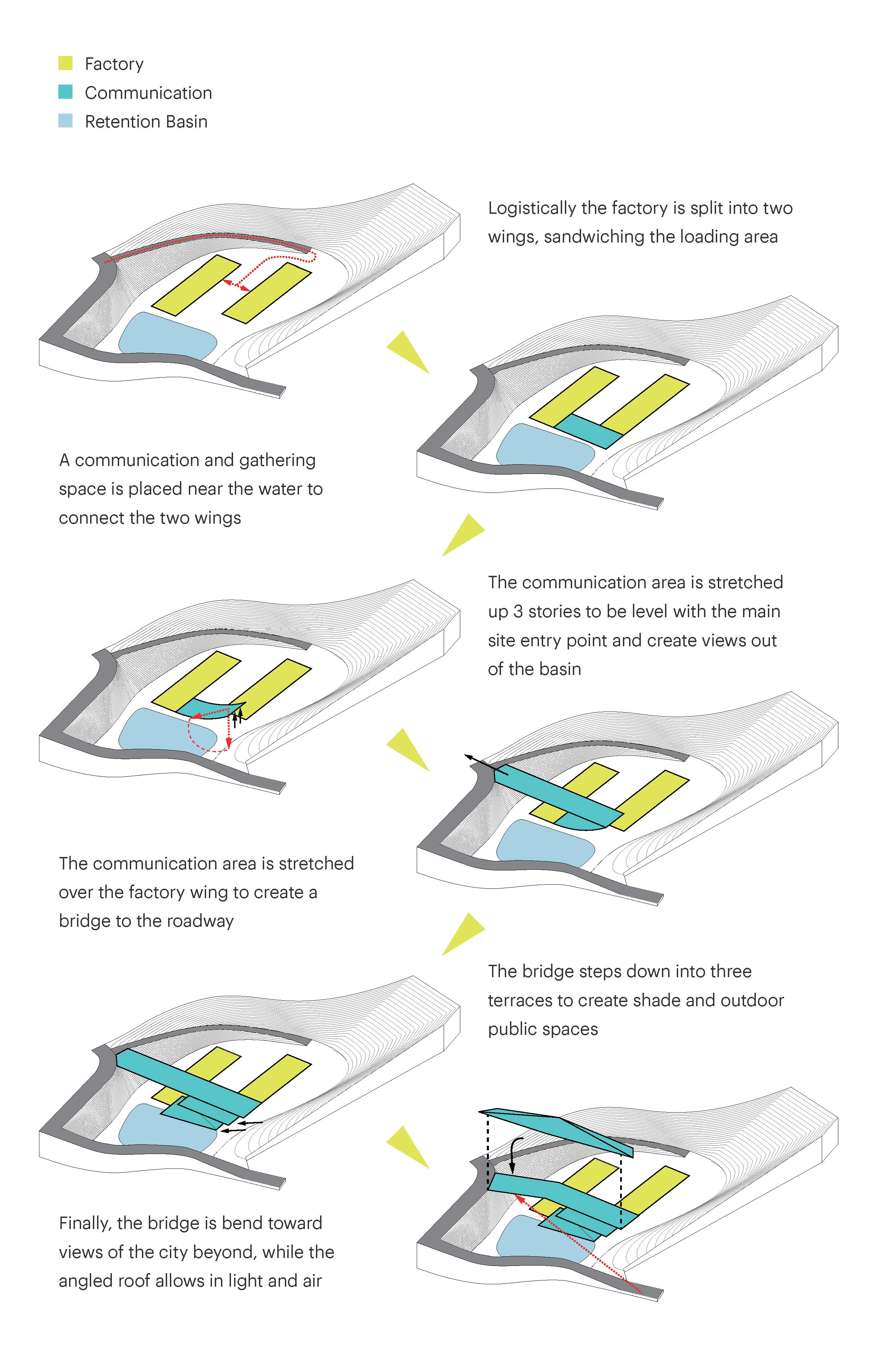
Guided by the design concept of “bridge,” the project creates a factory that connects MARUWA with the global market, the site with the local community, and Seto’s traditions with its future. The architecture balances industrial functionality with a welcoming presence, defined by a horizontal form and dynamic roof. An entry plaza opens the facility to the neighborhood, while a light-filled atrium links the two production areas, supporting employee well-being and encouraging spontaneous communication across teams.
![[NEEDS INPUT: alt text]](https://cdn.sanity.io/images/iexz7ctt/development/ee962332285c20fb3dfd871c2100a0783194b960-3000x2000.jpg?w=3840&q=75&auto=format&fit=max)
![[NEEDS INPUT: alt text]](https://cdn.sanity.io/images/iexz7ctt/development/ba38a8f2e66fe92d0c237071038d9ecf1110f13c-3000x2000.jpg?w=3840&q=75&auto=format&fit=max)
![[NEEDS INPUT: alt text]](https://cdn.sanity.io/images/iexz7ctt/development/1ae141ba85b7ed266bd0fdc5b7eef5a7b73b972b-3000x2000.jpg?w=3840&q=75&auto=format&fit=max)
![[NEEDS INPUT: alt text]](https://cdn.sanity.io/images/iexz7ctt/development/13a51db6c7f457b756837748306e841ad23f421e-3000x2000.jpg?w=3840&q=75&auto=format&fit=max)
![[NEEDS INPUT: alt text]](https://cdn.sanity.io/images/iexz7ctt/development/797c82bb2ab43d077d5a08c1d86d0053d3c6851a-2001x3000.jpg?w=3840&q=75&auto=format&fit=max)
Related Content
25
Cantilevered Canopy · meters
7,900
Facility Size · sqm
10
Number of Awards
From brief to build: using Seto-yaki craft traditions to shape landscape forms, material choices, and a future-focused manufacturing environment rooted in place.
The design process translated the concept of “bridge” into a landscape experience that connects Seto’s traditions with its future. Inspired by Seto-yaki pottery, a craft rooted in the region, the architecture, interiors, and landscape incorporate local materials and subtle references to the pottery-making process. Landscape forms recall the tools, textures, and signature details of Seto-yaki, while local stone and native wood louvers reinforce a sense of place. Together, these elements express Seto’s heritage with quiet regional character.
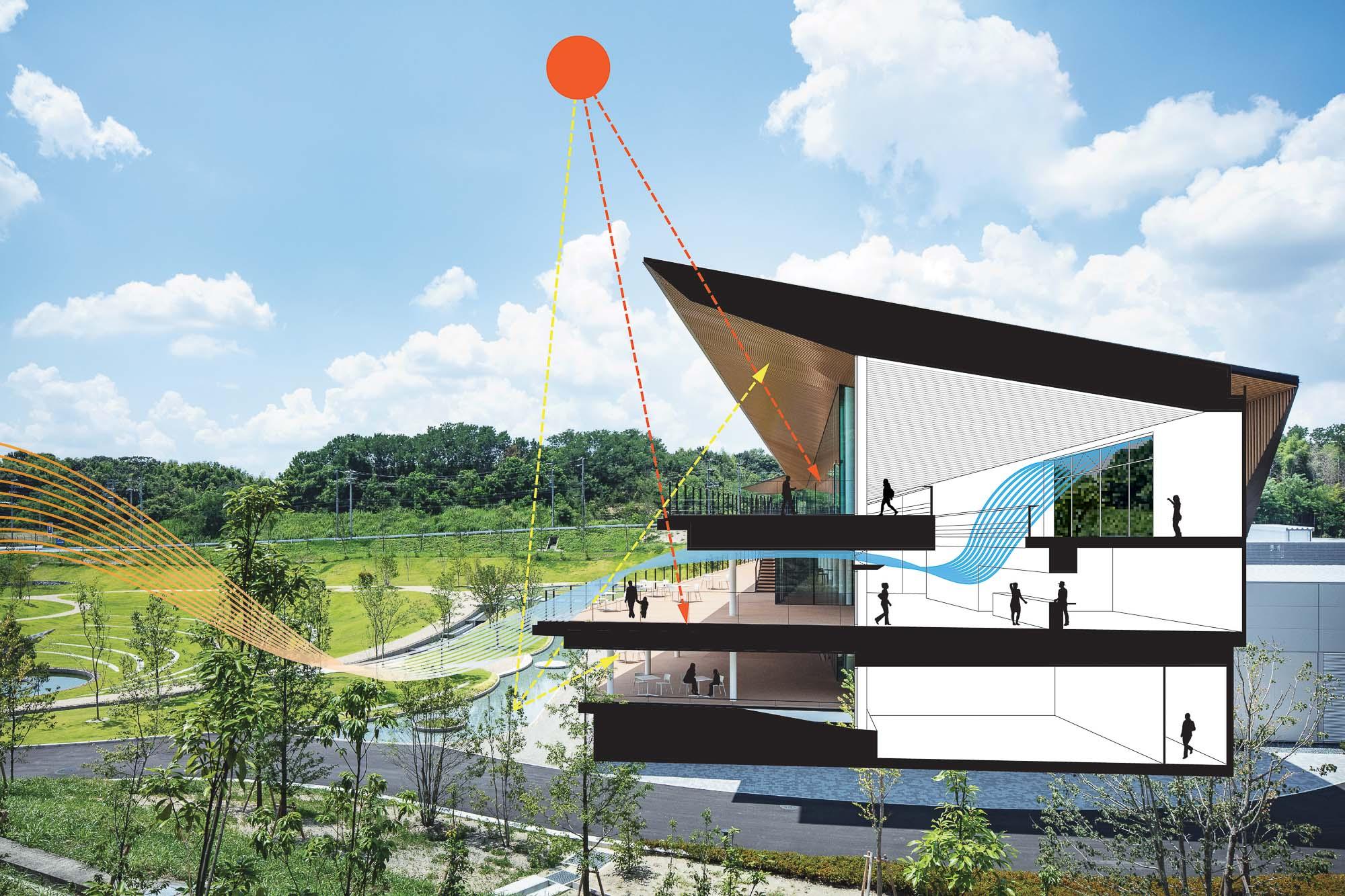
Comfort Through Ventilation
Natural ventilation enhances occupant comfort while reducing energy demand, improving indoor temperatures and supporting a lower-carbon workplace environment.
Impact
By reimagining a once-overlooked site, the project transforms the factory into a welcoming place for sustainability, innovation, and community connection.
The design opens the traditional factory environment, creating a workplace centered on well-being while connecting global innovation with Seto’s local heritage and community.
![[NEEDS INPUT: alt text]](https://cdn.sanity.io/images/iexz7ctt/development/62c4dbd4066d20b154ba5054d9bfc341d011c1a2-3000x2000.jpg?w=3840&q=75&auto=format&fit=max)
What Changed Because of This
01
Neighborhood Respite
The stormwater landscape incorporates plazas and walking paths, creating an open place for neighbors to gather, pause, and connect.
02
Open Factory
Daylight, terraces, and a large atrium redefine the traditional closed factory, creating a more inviting environment for well-being and everyday interaction.
03
Natural Ventilation
Natural ventilation improves occupant comfort without carbon emissions, reducing interior temperatures by 12 to 13 degrees Celsius during warm months.
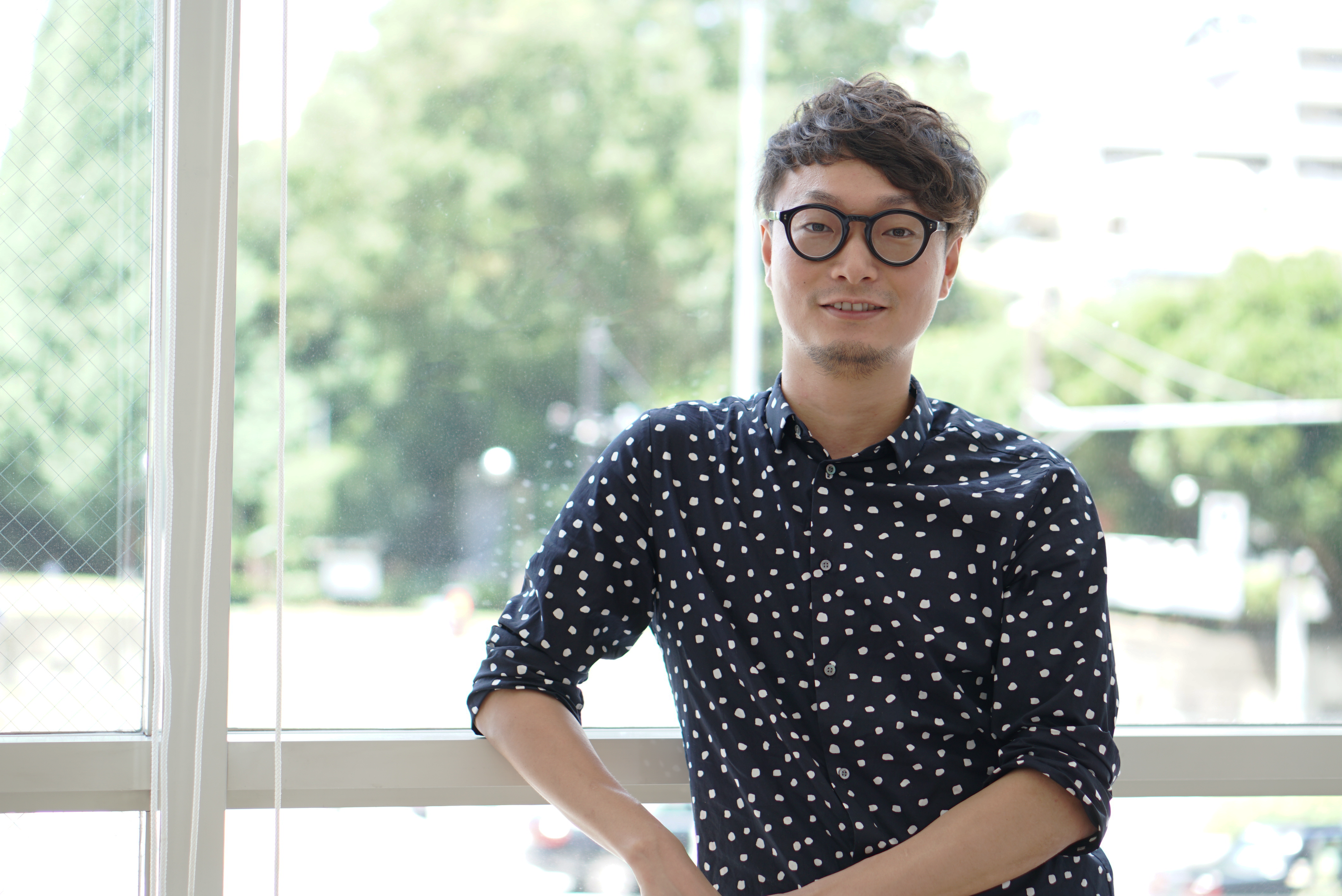
Through the power of design, we were able to transform a once-polluted site into a healthy environment, and create a new type of factory embraced by Maruwa and the community.
Recognition
Architecturephoto
Global Design News
Team
Project Leadership
FAQ
What makes this factory different from a traditional manufacturing facility?
How does the design reflect Seto’s local culture?
How does design support employee well-being?
What sustainable design strategies were incorporated into the project?
Related Content
![[NEEDS INPUT: alt text]](https://cdn.sanity.io/images/iexz7ctt/development/44820c6773f106d1875fe40465e0456fdf985d1c-4907x2851.jpg?w=3840&q=75&auto=format&fit=max)
![[NEEDS INPUT: alt text]](https://cdn.sanity.io/images/iexz7ctt/development/9fcca75d2d731068ea5125b8ab4ffcc5cf9d9049-5100x3022.jpg?w=3840&q=75&auto=format&fit=max)