

![[NEEDS INPUT: alt text]](https://cdn.sanity.io/images/iexz7ctt/development/64c10e9c0f94e432ce0b8aa984fe4d7b02c2fe06-2550x1650.jpg?w=3840&q=75&auto=format&fit=max)
Overview
A vision for reconnecting one of Chicago's most iconic commercial corridors with one of its greatest civic assets.
![[NEEDS INPUT: alt text]](https://cdn.sanity.io/images/iexz7ctt/development/a1e6bc964bb463d5eafb7f15cd623f6f1e8f810d-2550x1650.jpg?w=3840&q=75&auto=format&fit=max)
Opportunity
Changing consumer expectations and evolving downtown patterns created a once-in-a-generation opportunity to reinvent North Michigan Avenue.
For decades, North Michigan Avenue served as a premier global economic engine, tourist destination, and civic identity. Prior to the pandemic, however, the corridor had already reached an inflection point, having seen little significant transformation since the 1990s. Vacancies, foreclosures, shifting retail patterns, and changing consumer expectations accelerated the need for reinvestment. Gensler and a coalition of real estate leaders identified the northern portion of the Avenue, between Chicago Avenue and Oak Street Beach, as the area with the greatest potential to strengthen the corridor and create a compelling new destination.
More about this topic

![[NEEDS INPUT: alt text]](https://cdn.sanity.io/images/iexz7ctt/development/735a0779b888bbbaca7834a2da8d006334a17568-2550x1650.jpg?w=3840&q=75&auto=format&fit=max)
Why This Matters
01
Chicago’s Front Door
As one of Chicago’s primary commercial corridors, North Michigan Avenue plays a significant role in the city’s economic health, visitor experience, and global identity.
02
City Meets Lake
The study prioritizes people over vehicles, creating stronger connections between businesses, public spaces, and the lakefront.
03
Relevant Beyond Retail
Reinvestment helps North Michigan Avenue compete with leading global high streets while adapting to evolving consumer expectations and lifestyles.
[The corridor]’s financial value and global identity make it one of the most important local treasures... We asked Gensler to apply their international urban retail experience and research toward a detailed physical study of North Michigan Avenue and propose a menu of action items to reinvigorate the mixed-use corridor,
Solution
The vision proposes a new northern anchor that transforms underutilized spaces along the corridor into a connected, people-centered district.
Gensler’s master planning study proposes the creation of a new public realm promoting vibrancy, accessibility, and connectivity throughout the northern end of North Michigan Avenue. The proposed interventions prioritize the pedestrian experience while creating stronger connections to the lakefront. Destination food and beverage, cultural programming, public art, and activated open spaces introduce year-round activity. Together, these strategies establish a distinct identity for the district, create memorable experiences for residents and visitors, and strengthen the corridor’s position as a world-class destination.
![[NEEDS INPUT: alt text]](https://cdn.sanity.io/images/iexz7ctt/development/8be8bd2f3fbd6d2ef86ddfa6ca8d2c05c3645d03-2550x1650.jpg?w=3840&q=75&auto=format&fit=max)
Related Content
855K
Study Area Size · sqft
10
Number of redevelopment opportunity sites
From brief to build: exploring how strategic placemaking can redefine North Michigan Avenue for the next generation.
The planning process began with a detailed benchmarking of global high streets and the current conditions shaping North Michigan Avenue. Through research, stakeholder engagement, market analysis, and urban design studies, the team identified critical opportunities to strengthen connectivity, activate public space, and improve pedestrian experiences. Particular attention was given to the northern portion of the corridor, where vacancies and redevelopment opportunities created the potential for transformative interventions. The resulting framework balances economic growth, cultural activation, mobility, and public realm improvements.
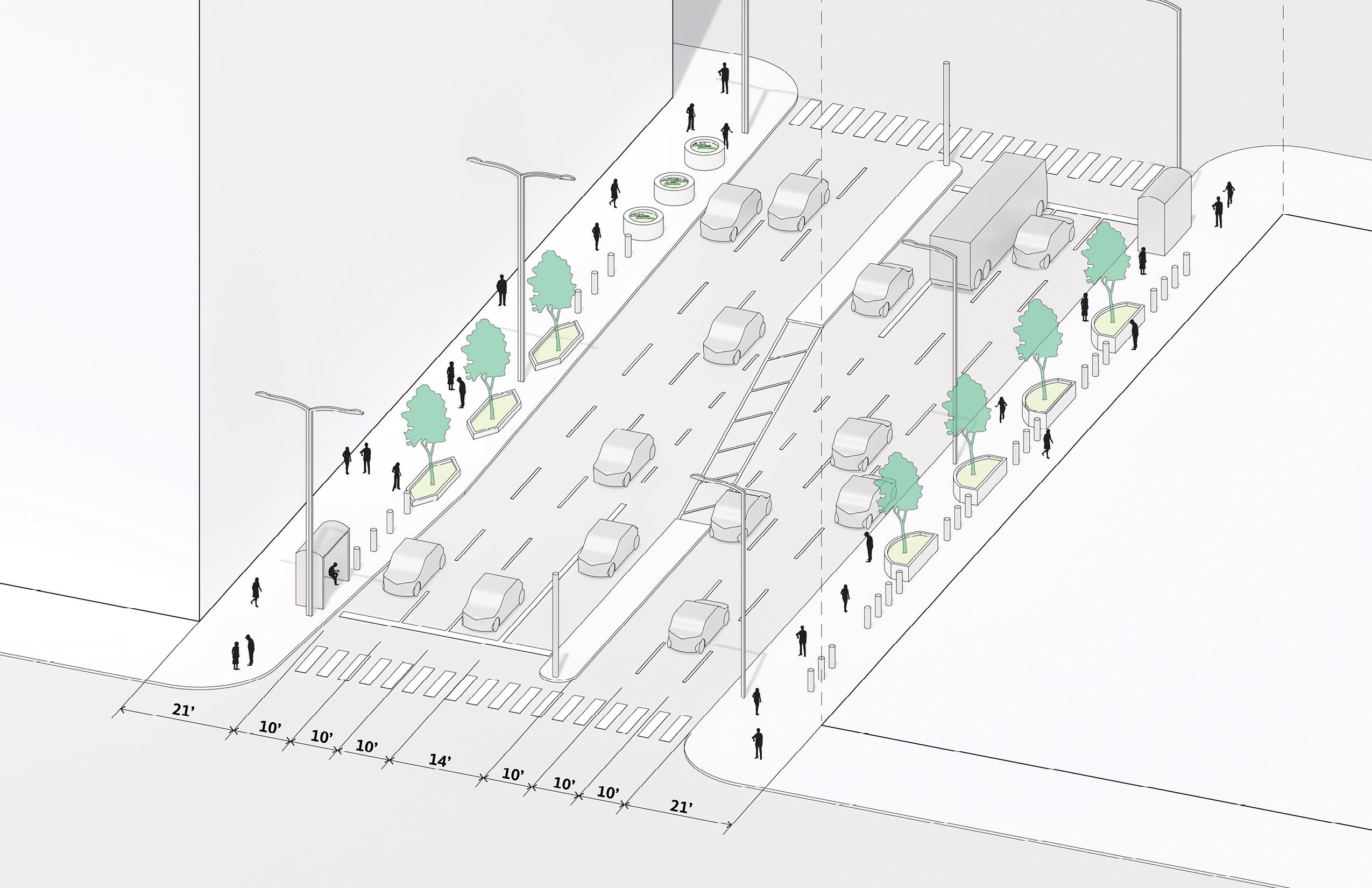
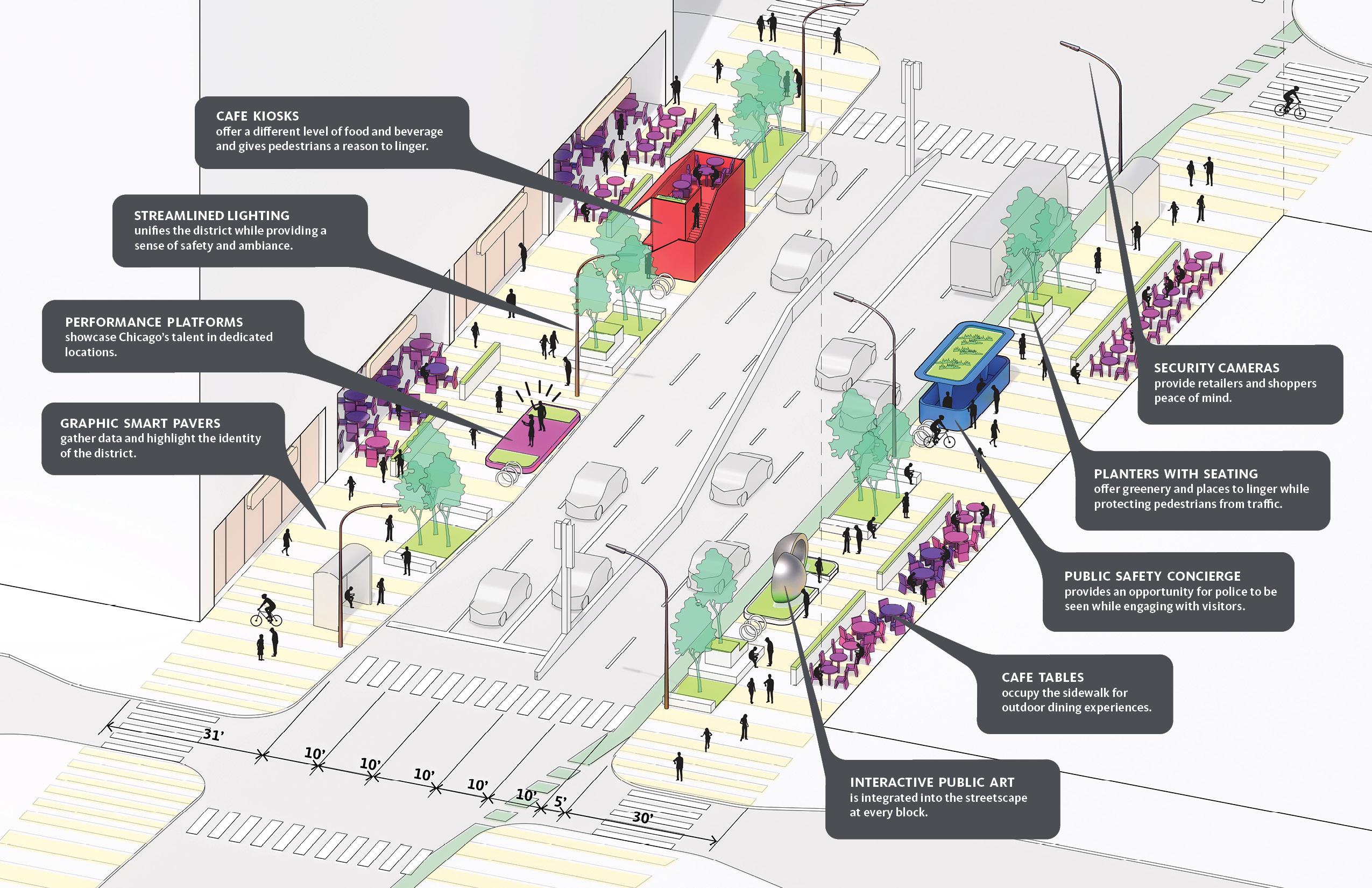
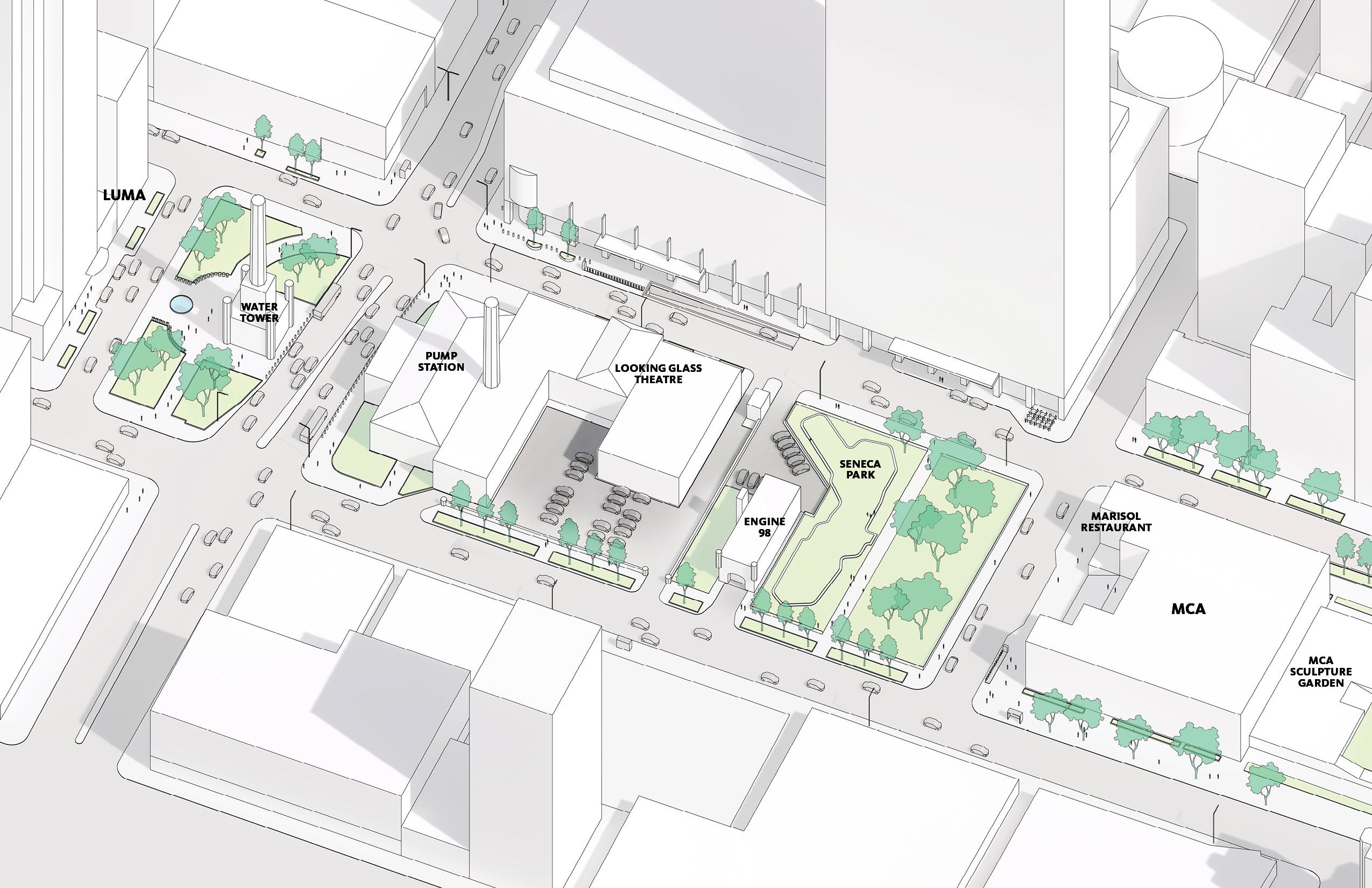
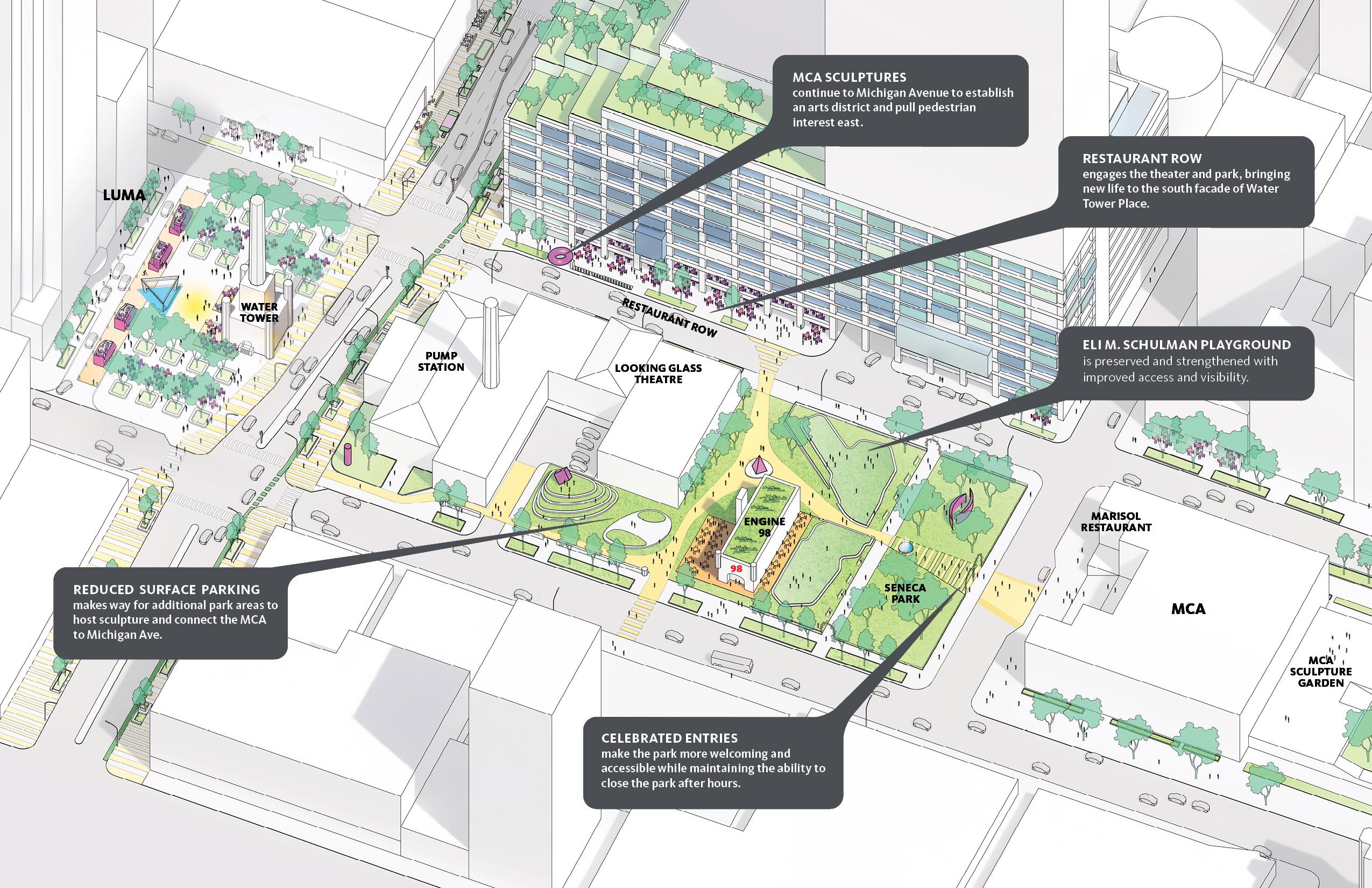
Existing Streetscape
the existing streetscape devotes most of its width to vehicles, leaving narrow sidewalks with few places to gather.
Impact
The study presents a roadmap for strengthening one of Chicago’s most important economic and cultural corridors.
The framework equips property owners, civic leaders, and investors with a shared vision for coordinated reinvestment.
![[NEEDS INPUT: alt text]](https://cdn.sanity.io/images/iexz7ctt/development/b20adfcdabaa467bba139037b27f55414822ceae-2550x1650.jpg?w=3840&q=75&auto=format&fit=max)
What Changed Because of This
01
Pedestrian Focus
The concept prioritizes people-first experiences and safer, more engaging public spaces.
02
Stronger Identity
New cultural, retail, and food experiences reinforce North Michigan Avenue’s distinct character.
03
Future Growth
Redevelopment opportunities support long-term investment and economic resilience.

The opportunity wasn’t simply to redesign a street — it was to unite public and private stakeholders around a shared vision for north michigan avenue’s next chapter.
Recognition
Axios Chicago
The Architect’s Newspaper
Crain’s Chicago Business
Team
Project Leadership


FAQ
Why was North Michigan Avenue selected for reinvestment?
What area does the study focus on?
Who commissioned the study?
How does the vision support economic growth?
How does the study improve the pedestrian experience?
Why is this project important for Chicago?
Related Content
![[NEEDS INPUT: alt text]](https://cdn.sanity.io/images/iexz7ctt/development/60cb78367ba198a2f3ef3fcb94923c3a0cdde971-6456x4300.tif)

![[NEEDS INPUT: alt text]](https://cdn.sanity.io/images/iexz7ctt/development/f8f54601823c90cddbdc71c32e1840a59ea3cf57-5000x2997.jpg?w=3840&q=75&auto=format&fit=max)
![[NEEDS INPUT: alt text]](https://cdn.sanity.io/images/iexz7ctt/development/0eeb273359cee5ba01cabb060951e62c7915ca90-1920x1080.png?w=3840&q=75&auto=format&fit=max)